
(That's the look, that's the look)
Jonathan’s Look
Let’s take a moment to regroup. So far, we have two characters to work on: Jonathan and Matthew. We've made progress in fleshing out Jonathan through his monologue and questionnaires, while Matthew's questions have been completed but not explored further. Our ultimate goal is to create a monologue for Matthew and a dialogue for the scene we'll shoot.
For now, let's focus on Jonathan's appearance, his style, and how he carries himself. As a 54-year-old executive living in Bel Air, Los Angeles, Jonathan's fashion choices exude a sense of refined charm and sophistication. In the office, he is often seen wearing tailored suits in neutral tones, meticulously fitted to his slender frame, reflecting his professional status. He pairs these suits with crisp dress shirts and tasteful accessories like pocket squares and luxury timepieces.
During leisure time and art collecting ventures, Jonathan embraces a more relaxed yet still polished style. He might be spotted in well-fitted blazers with designer jeans or chinos, striking a balance between trendy and elegant. Whether at work or in his downtime, he takes great care in grooming, ensuring his salt-and-pepper hair is neatly coifed and his overall appearance is impeccable.
As we continue developing these characters, we'll soon delve into Matthew's perspective through his own monologue and work on the scene where their paths will intersect. But for now, let's focus on portraying Jonathan's appearance, personality, and mannerisms to bring depth and authenticity to his character on screen.
Styling and propping characters can be quite challenging, especially when we don't fully "know" the character. The more detail and backstory we have, the easier it becomes to make choices, like selecting the right sunglasses, for instance. It reminds me of my approach to lighting design for tableau images or any other visuals. When I'm figuring out how to light a scene or a person, I ponder who they are and where they fit into the story. Once I have a clear understanding of their identity and place in the narrative, the lighting decisions flow effortlessly. I draw on my past observations of light and everything falls into place, creating a cohesive and meaningful visual representation. I'll be sharing more about this in an upcoming blog post. Styling and propping the character follow a similar path, and it's especially helpful when collaborating with stylists, bringing the character's essence to life through their appearance and props.
Working with a skilled stylist can be incredibly beneficial in bringing the characters to life. They can use their expertise to translate the character's essence into their wardrobe and props, enhancing the visual storytelling and adding depth to the character's portrayal.
But for you as the photographer, who’ll be putting together the mood boards and wanting to ‘direct’ the look of your character, having a clear picture of the character's motivations, preferences, and experiences will make researching ‘the look’ much easier.

Once armed with knowledge about my character, Jonathan, and the era we are working with, researching the basics of his attire became a breeze. Here's a rundown of his stylish ensemble:
- Footwear: Allen Edmonds loafers in a deep walnut colour.
- Trousers: Impeccably tailored Hugo Boss trousers with fabric imported from Italy.
- Shirt: A custom-made Italian silk shirt in a rich emerald-green hue.
- Belt: A vintage Hermès belt featuring the iconic H1 buckle in polished gold.
- Sunglasses: Cartier aviator-style sunglasses with lightweight titanium frames.

Allen Edmonds Shoe Corp. Vintage 1985 Print Ad

With these elements in place, Jonathan's appearance exudes the refined taste and sophistication befitting a successful executive in 1980s Los Angeles. Now I have a very clear idea of his appearance, and so would a stylist. The next part I found rather fascinating I took my list of props, clothes, a description of Jonathan’s career and life and snippets of the monologue and loaded this into ChatGPT. This was the result:
Jonathan strides through the bustling hallway of the ad agency, his attire meticulously curated to reflect the status and style of a successful executive in 1980s Los Angeles. Every detail of his ensemble oozes with a carefully cultivated sense of opulence and brand obsession.
His feet are adorned with a pair of sleek, polished Allen Edmonds loafers, the deep walnut colour complementing the tailored lines of his appearance. The soft leather moulds to his feet, exuding an air of refined elegance with every step.
His legs are encased in a pair of impeccably tailored Hugo Boss trousers, expertly hugging his form while maintaining a sense of sophistication. The fine fabric, imported from Italy, drapes just right, accentuating his lean physique.
Above, he wears a custom-made Italian silk shirt, the rich emerald-green hue drawing attention to his impeccable taste. The fabric, smooth to the touch, whispers against his skin as he moves, the meticulously sewn seams a testament to the craftsmanship that defines his world.
A vintage Hermès belt, with its iconic H buckle gleaming in polished gold, cinches his waist, adding a touch of luxurious extravagance to his ensemble.
Jonathan’s gaze is framed by a pair of aviator-style Cartier sunglasses, the lenses reflecting the vibrant energy of the office around him. The frames, crafted from lightweight titanium, sit comfortably on the bridge of his nose, effortlessly accentuating his chiselled features.
His coifed hair, styled with precision, showcases the expertise of his trusted hairstylist at the famed Beverly Hills salon, Cristophe. Every strand is in place, a testament to his unwavering attention to detail.
Jonathan completes his ensemble with a subtle hint of fragrance—Creed Aventus cologne. Its intoxicating blend of citrus and woody notes envelops him in an aura of power and confidence, leaving a trail of sophistication in his wake.
As he walks, the fabrics caress his skin, the designer labels and meticulously chosen accessories marking him as a man of status and excess. His appearance is flawless, a calculated facade of success in a world that thrives on surface allure.
The description of Jonathan provided a solid foundation, and the added embellishments of the props were spot-on. The AI response not only captured his appearance but also offered ideas for hairstyling and cologne, providing deeper insights into the character. While I might not use all the suggestions, they certainly give more depth to Jonathan's persona. I needed to research each suggestion, but I must admit they were quite accurate and on the money!
As we continue to refine the characters and finalize all the elements, we're getting closer to the casting stage. It's remarkable how far we've come, from a mere idea to a faint outline, and now to a fully developed character like Jonathan. I can almost visualize him in front of me, so vivid and real that I can almost smell his cologne!
In the next blog post I’ll get back to Finding Their Voice Part 2.

Always check your research (and others)
Creed Aventus cologne did not exist in the 1980s; it was launched in 2010. Instead, we could consider Calvin Klein's Obsession for Men or Giorgio Beverly Hills for Men. After examining the advertisements for both fragrances, Calvin Klein's Obsession for Men stood out as the more appealing choice for Jonathan. The adverts exuded a strong homo-erotic quality that resonated with him, featuring images by Bruce Weber that captured near physical perfection. Additionally, openly gay photographer Herb Ritts, who was HIV positive, also worked for Calvin Klein and sadly passed away from pneumonia in 2002. This information opens up possibilities for your story, as Jonathan and Matthew could have been involved in these shoots or had connections to the Calvin Klein account at their advertising agency.
Intriguing possibilities start to unfold as we consider Jonathan and Matthew's potential involvement in the Calvin Klein shoots featuring prominent photographers like Bruce Weber and Herb Ritts. Perhaps they were both present at these shoots. The allure of the fashion world, with its intimate connections to beauty and desire, may have drawn them in deeper.

As they navigate the opulent realm of advertising in 1980s Los Angeles, the names of legends like Bruce Weber, Herb Ritts, and even supermodel Kate Moss add an air of excitement to their world. Connections to the Calvin Klein account could have shaped their journeys, unveiling secrets and desire. The fragrance of Calvin Klein's Obsession for Men could become more than just a scent; it might symbolize the allure, the passion, and the complexity of their entwined destinies.

I enjoy pushing the boundaries, I’m constantly seeking out unconventional…
I enjoy pushing the boundaries, I’m constantly seeking out unconventional lighting options, old quirky lights, anything that can create an interesting feel for my projects. I know I kind of nerd out when it comes to…
I enjoy pushing the boundaries, I’m constantly seeking out unconventional lighting options, old quirky lights, anything that can create an interesting feel for my projects. I know I kind of nerd out when it comes to lights and lighting, but there's an excitement in experimenting with new (and old) lights & lighting techniques. Recently, I came across some LED lights that sparked my curiosity, and I couldn't resist testing them out on the wilting tulips that I had given my partner some weeks earlier.
Despite their fading beauty, the tulips held an intriguing charm, and I saw an opportunity to capture their unique essence using these LED lights. The process of experimentation, tinkering with the lighting setup, and observing the visual impact is always fun, I know that does sound professional or serious, but I love working in the studio, I’m obsessed by light…I actually just stopped for ten mins while writing this to watch the intense afternoon sun hitting the metal of the building across from me, set against a dark moody sky.
These little lighting experiments always prove to be a fascinating, encouraging me to keep exploring and discovering new ways to use light to tell stories and create mood. It’s also a way of recharging and re-engaging with what I love to do.

This post included a video. Watch it on LinkedIn.
Yesterday, I had the pleasure of watching the Netflix documentary on Platon with…
Yesterday, I had the pleasure of watching the Netflix documentary on Platon with my client-centred group as part of the capstone course for the BA Photography program. The documentary was truly wonderful and left a…
Yesterday, I had the pleasure of watching the Netflix documentary on Platon with my client-centred group as part of the capstone course for the BA Photography program. The documentary was truly wonderful and left a lasting impression on both the students and me. It provided deep insights into Platon's photography philosophy and process, inspiring us to reflect on our own passion for portraiture and its significance.
The documentary highlighted Platon's unique approach to photography, emphasising the importance of establishing connections with subjects to capture impactful portraits. This resonated with our group's client-centered perspective, where we strive to meet the needs and preferences of clients within the commercial photography industry.
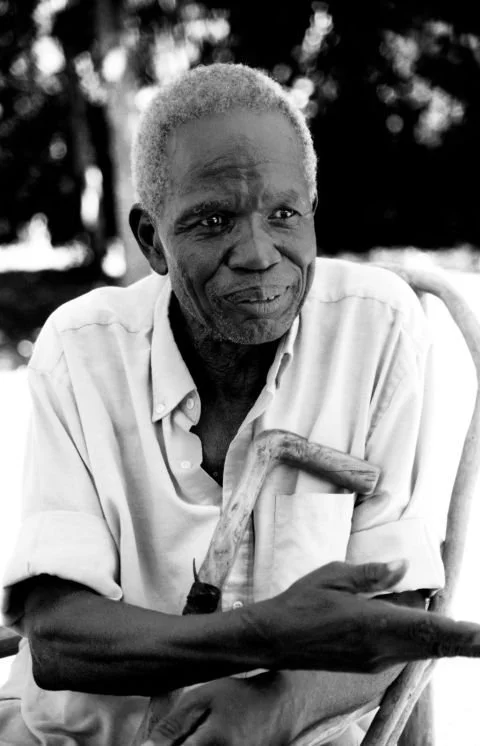
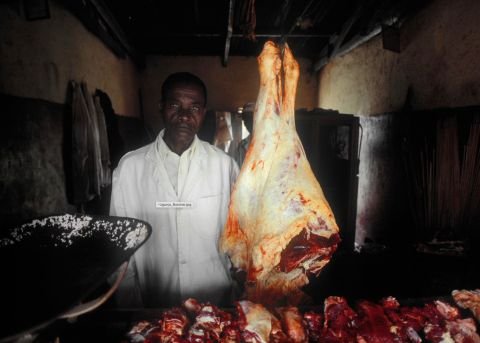
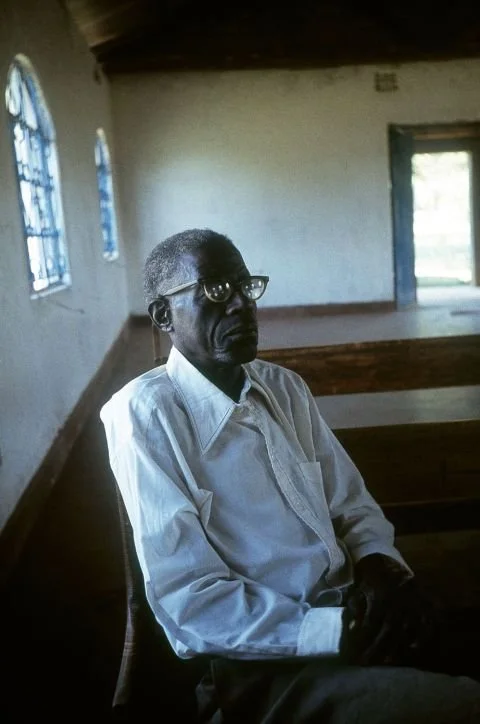
As I watched the documentary, it brought back memories of my experiences working on the "Picturing Community" project in Kenya. The project was an incredible collaboration with my best friend, Michael Martin. During my time in Kenya, I had the opportunity to witness the strength and special sense of community in Ugunja, which became the central theme of our exhibition.
The experiences in Kenya and the wonderful collaboration with Michael Martin not only deepened my love for portraiture but also reminded me of the impact photography can have in capturing the essence of a community. Platon's documentary served as a catalyst for these reflections.
Overall, the documentary on Platon was an enriching and thought-provoking experience for our group, and me! Inspiring us to push the boundaries of our creativity and to continue creating & developing meaningful photography.
Here are a few images from the Picturing Community: Ugunja, Kenya

As part of my ongoing series of blog posts exploring Tableau photography, from…
As part of my ongoing series of blog posts exploring Tableau photography, from character development through to shooting, lighting, post production to final exhibition, here is "Finding Their Voice (part 1)". In this…
As part of my ongoing series of blog posts exploring Tableau photography, from character development through to shooting, lighting, post production to final exhibition, here is "Finding Their Voice (part 1)". In this instalment I delve further into the world of the character I'm developing; Jonathan. We will explore his monologue, delve into research about his appearance, we'll begin by uncovering the essence of who he really is.
Finding Their Voice (PART1)
Welcome to "Finding Their Voice," in this instalment we delve further into the world of Jonathan. We will explore his monologue, delve into research about his appearance, and experiment with AI to develop mood board images.
We'll begin by uncovering the essence of Jonathan's thoughts and emotions through his monologue, gaining valuable insights into his motivations, desires, and dreams. Following that, we'll take a closer look at his appearance, fashion choices, and overall demeanour, painting a vivid picture.
Finally, we'll embark on an AI experiment to curate a collection of visuals that reflect Jonathan's personality, aspirations, and the essence of his monologue. This was a hit and miss exercise, some work is definitely needed to develop my AI skills. You’ll be familiar with the emerald-green shirt image…that was the highwater mark.
Based on the questions that established Jonathan’s character in the last blog post here is a brief outline that summarises the character, this is useful when starting to develop the monologue.
Full Name: Jonathan Parker
Jonathan Parker is a 54-year-old high-ranking executive at a prestigious advertising agency in Los Angeles. Born and raised in the affluent neighborhood of Bel Air, he exudes refined charm and possesses a discerning eye for aesthetics. Outside of work, Jonathan indulges in art collecting, fine dining, and has a passion for jazz and 80's pop music. He navigates social circles with ease but struggles with internal turmoil and decision-making. While he maintains a cordial relationship with his prominent family, emotional detachment lingers beneath the surface. His most treasured possession is a vintage Rolex watch passed down from his father. Jonathan dreams of personal liberation and contemplates the impact of suppressed desires on his life choices, cherishing the idea of becoming a partner in the future.

Drawing on the monologues I've experienced and shared in my last blog post, I began crafting Jonathan's monologue. Being a visual person, I had to start by imagining him at work, maybe just after leaving a meeting, and walking through the office. This internal monologue captures Jonathan's thoughts and emotions, addressing us with sincere honesty before shifting into his work-mode to interact with his colleagues.
An internal monologue is a literary device used to convey a character's inner thoughts, feelings, and reflections. It is a narrative technique that allows readers to access a character's mind, providing insights into their motivations, conflicts, and emotions. In a normal text or blog post, an internal monologue can be presented through the character's first-person perspective or in a more indirect manner, revealing their thoughts as they navigate situations, make decisions, or analyse events happening around them. This technique adds depth to the character and enhances the reader's understanding of their psyche and actions, for us, it used to further understand our character and how best to portray them and direct them.
Here we delve into Jonathan's inner world, giving us a glimpse of the complexities that lie beneath the surface as he navigates through his daily interactions. The monologue will enable readers to better understand Jonathan's character and the intricacies of his personal and professional life.
Jonathan, weary and contemplative, mused on the nature of their line of work. In this cutthroat industry, they were relentless peddlers of dreams, architects of beguiling facades that masked the truths they dared not confront. The allure of these fantasies proved seductive, and at times, they found themselves ensnared in their own intricate webs of make-believe, cowering from the harsh glare of their own raw realities.
JONATHAN
(haggard, introspective)
You know, in this business, we're always selling dreams. We create illusions, paint pictures of lives we wish we had. And sometimes, we get lost in those illusions, too afraid to face our own reality.

AI generated drawing
He nods and smiles at a passing co-worker.
JONATHAN
(cheerful)
Hey, great job on the Grimes campaign. You knocked it out of the park!
The co-worker thanks him, and Jonathan continues down the hallway, his demeanour shifting as he resumes his monologue.
I like the jump from (haggard, introspective) to (cheerful). While I know we are not filming this I cant help thing how good it would be, maybe even with a split screen (see above) both sides talking to the camera, then when we break to talk to the co-worker one side stays in internal monologue mode, staring directly to the camera, uneasy. The other chats cheerful to the co-worker, then re-joins…back to the internal monologue.
JONATHAN
(heavy-hearted)
But what about the dreams we can't sell? The ones that consume us, tearing at the seams of our carefully constructed lives? What happens when those dreams collide with the harsh light of day?
He stops briefly to congratulate another co-worker.
JONATHAN
(earnestly)
Congratulations on closing that deal, Sarah. You're a force to be reckoned with.
Sarah beams with pride, and Jonathan's expression darkens as he resumes his monologue.
JONATHAN
(resolute, yet melancholic)
We pretend it's all about success, about climbing the ladder, but sometimes the rungs start to crumble beneath our feet. We chase after something we can't name, something that feels like truth, even if it leads us down a treacherous path.
He passes by his office, glancing at the closed door.
JONATHAN
(whispered)
Home away from home.
Taking a deep breath, he continues down the hallway, his voice filled with despair.
JONATHAN
(whispered)
We make choices, each one carrying its own weight. Sacrifices made in the name of duty, loyalty, and love. But what happens when those choices eat away at our souls, leaving us hollow and broken?
A brief pause as he acknowledges another co-worker.
JONATHAN
(sincerely)
Hey, congrats on the promotion, Dave. Well-deserved.
Dave expresses gratitude, and Jonathan's eyes reflect a profound sadness.
JONATHAN
(resigned)
We wear masks, disguising our true selves, afraid of being seen, afraid of being known. And in those moments, we lose sight of who we really are. We become strangers in our own lives.
He continues walking, the weight of his words evident in his every step.
JONATHAN
(bitterly)
We tell ourselves it's temporary, that someday it'll all make sense. But deep down, we know the truth.
(Jonathan's voice cracks with emotion, his eyes welling up with unshed tears).
We're lost, adrift in a sea of missed opportunities and broken dreams.
Being overly specific about how Jonathan delivers these lines might seem excessive, but delving deeply into his character will help us understand him better. By providing more details about Jonathan, we will empower the actor chosen to portray him, enabling them to fully embody the role.

AI generated image
The monologue above was generated using Murf AI, this is the first time I have done this, part of the journey and part of the experiment I want to share. I experimented with several “voices” , I was able to add pauses, adjust the timing and the pitch. While its interesting, it breathes life into these characters, I’m not sure how I feel about it yet. I’m keen to have an actor try the lines…and maybe they are just meant to be read as a way of understanding who Jonathan is.
When delivering lines as Jonathan, it is crucial to set a very clear tone for the character. His emotions and demeanour are multifaceted, and these directives will help convey that complexity:
1. Heavy-hearted: Jonathan carries a profound sadness within him, which should be evident in his voice and body language. There's a weight on his shoulders that he can't shake off.
2. Bitterly: At times, Jonathan's bitterness might surface, revealing a sense of resentment or disillusionment. His words may carry a sharp edge, reflecting his inner turmoil.
3. Resolute, yet melancholic: Despite facing hardships, Jonathan has an unwavering determination, but it's tinged with a touch of melancholy. This adds depth to his character as he navigates difficult situations.
4. Haggard, introspective: His weariness is visible, both physically and emotionally. When deep in thought, his introspection becomes apparent, and his voice may take on a contemplative quality.
Contrast these attributes with the lighter, more cheerful exchanges he has with his co-workers. This contrast will emphasise the duality of his character, showcasing the internal struggles he grapples with while putting on a facade of normalcy in front of others.
PART 2 - coming soon
Please follow the link below, this is the first instalment in my series about my…
Please follow the link below, this is the first instalment in my series about my approach to tableau photography. In this post I am sharing my approach to developing my characters. "I am driven by the characters, as I…
Please follow the link below, this is the first instalment in my series about my approach to tableau photography. In this post I am sharing my approach to developing my characters.
"I am driven by the characters, as I develop them, the scene begins to unfold. Their stories, emotions, and relationships shape the narrative that I aim to capture. It's a deeply introspective process, allowing me to delve into the human experience and convey it through my photographs."
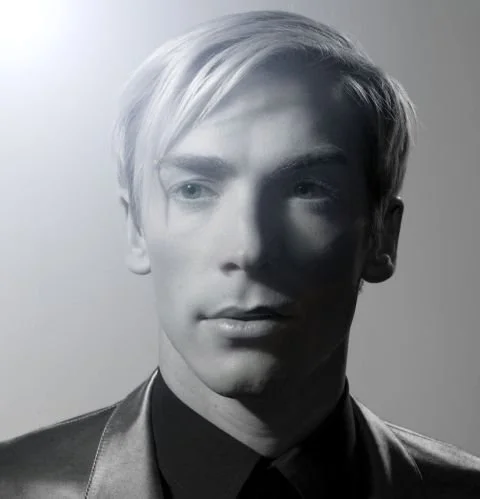

It all starts with a character...
In character-driven tableau photography, I have the opportunity to explore various themes and concepts related to the human experience. Whether it's delving into identity, relationships, societal issues, or psychological states, the characters serve as vessels for these explorations. They add depth, complexity, and a sense of authenticity to the visual composition.
Tableau and staged photography encompass a wide range of approaches and techniques employed by various practitioners. These approaches, although distinct, contribute to the rich and diverse field of photography.

Alastair Sinclair - Bronek Kozka
Practitioners of tableau and staged photography utilize different methods to create visually captivating and conceptually layered images. They share a common goal of constructing scenes within the frame of a photograph, manipulating elements to convey narratives, evoke emotions, and explore symbolism.
Within this broad category, there are numerous photographers who have made significant contributions to the field. Some notable practitioners include Gregory Crewdson, Cindy Sherman, and Jeff Wall. Their works demonstrate the diverse approaches and artistic visions within tableau and staged photography.
Gregory Crewdson is renowned for his elaborate and cinematic scenes that blur the boundaries between reality and fiction. Cindy Sherman explores themes of identity and gender through self-portraits in which she transforms into various characters. Jeff Wall's large-scale photographs reference historical painting and employ intricate staging to convey complex narratives.
These photographers, along with many others, have created a wide variety of tableau and staged photographs, each with their own distinctive approach and artistic vision. Their contributions showcase the immense potential of this genre to produce visually stunning and thought-provoking images.
In my approach to tableau photography, I am driven by the characters themselves. It all begins with a spark—an old family photograph, a fleeting memory, or a personal recollection. From there, I delve into the depths of these characters, exploring their complexities and bringing them to life.
As I develop these characters, the scene begins to unfold. Their stories, emotions, and relationships shape the narrative that I aim to capture. It's a deeply introspective process, allowing me to delve into the human experience and convey it through my photographs.
Contrasting my approach is the work of Jeff Wall, a renowned artist in the field of tableau photography. Wall takes an observational stance, meticulously recreating real-life scenes that he has encountered. His attention to detail and ability to mimic reality are awe-inspiring.
In his images like "A Man with a Rifle" (2000) and "Mimic" (1982), Wall captures significant moments from everyday life, meticulously reconstructing them to evoke emotions and tell stories. His work carries a cinematic quality, drawing viewers into the scene.

While Wall's approach focuses on faithfully recreating observed moments, my perspective centers on character-driven storytelling. I seek inspiration from within, drawing from personal experiences and memories to create a narrative that reflects my vision. By delving into the depths of the characters, I aim to convey their emotions, connections, and struggles.

Both approaches contribute to the rich tapestry of tableau photography, offering diverse perspectives and narratives. While Wall's work captures the essence of observed scenes, my approach emphasises the intimate exploration of characters and the stories they have to tell.
From that starting point, I begin to develop the characters who will inhabit my scenes. I delve into their backgrounds, their personalities, and their motivations. It's an exciting process of exploration and discovery as I breathe life into these fictional individuals.
Working closely with models or actors, I collaborate to bring these characters to life within the tableau. I guide their poses, expressions, and interactions to ensure that the emotions and narrative I want to convey are captured in the final image. The characters become the focal point, driving the story and creating a connection with the viewer.

In character-driven tableau photography, I have the opportunity to explore various themes and concepts related to the human experience. Whether it's delving into identity, relationships, societal issues, or psychological states, the characters serve as vessels for these explorations. They add depth, complexity, and a sense of authenticity to the visual composition.

Kew House Series: Dinner Time - Bronek Kozka
When I first started working with tableau photography, I must admit that my focus was more on the technical aspects rather than the story itself. Aesthetics often took precedence, and the narrative would sometimes be driven by the visual elements rather than the underlying idea or concept. Even when it came to casting, my choices were primarily based on looks and instinct, often working with models rather than actors.
However, as I progressed, I began to realise that the characters within the tableau needed to be more than just figures in the frame. They needed to be living, breathing, three-dimensional beings with depth and complexity. I found myself frustrated when the story wasn't clear or when the characters lacked substance. It was easy to get lost in the process without a solid foundation.
That's when I decided to develop a more rigorous approach to character development. I understood the importance of fully evolving the characters, providing them with detailed backstories and rich personalities. By investing time and effort into crafting well-rounded characters, everything became easier. I could understand their motivations, predict their actions, and effectively direct them within the tableau.
Creating characters with enough depth and detail allowed me to connect with them on a deeper level. I could empathize with their experiences, their desires, and their struggles. As a result, the narratives within my tableau became more compelling and authentic. The characters became the driving force behind the story, and every choice I made, from the composition to the lighting, served to enhance their presence and communicate their emotions.
Through this process of developing fully realized characters, tableau photography transformed for me. It became a medium through which I could explore the human condition, tell meaningful stories, and evoke genuine emotions in viewers. The tableau became a stage where these living, breathing characters could come to life and engage with the audience in a profound way.
Now, every tableau I create is driven by the characters and their stories. They guide my decisions, inspire my compositions, and ultimately shape the narrative that unfolds before the lens. They are no longer mere props or aesthetically pleasing figures but individuals with their own journeys and voices, adding depth and authenticity to the tableau.
I have always believed that having well-developed characters with intricate details is one, if not the most important supports for planning and pre-production. This belief continues to hold true, and I aim to demonstrate its significance through the approach I am about to share. By creating characters with depth and specificity, I can envision their wardrobe choices that align with their personalities, ensuring that their clothing reflects their individual style and contributes to the overall visual composition. The same goes for props and set design; I can select objects and settings that are consistent with the characters' backgrounds, interests, and lifestyles. This attention to detail enhances the cohesiveness and believability of the tableau. This is especially important when working with a team, producer, hair & make-up, stylist etc.
In essence, this approach to character-driven tableau photography is not merely a theoretical concept; it is deeply ingrained in the mechanics of my creative process. By investing time and effort into developing rich and multi-dimensional characters, I create a solid foundation for my storytelling.
What Is Character Development?
Character development in the context of tableau/stills photography involves the process of creating compelling and multi-dimensional characters with depth and clear motivations. While character development in writing or film may also encompass the changes a character undergoes throughout a story, in photography, it primarily focuses on crafting a character that resonates visually.
It's essential to avoid fixating solely on the external appearance of the character when embarking on character development. Instead, the emphasis should be placed on building the character's personality, background, and desires. By workshopping ideas and delving into the intricacies of the character's inner world, their face and physical attributes will naturally come into sharp focus.
Character development in photography is about constructing individuals who feel real and authentic within the tableau. This involves exploring their backstory, motivations, and relationships, just as one would in writing or film. By investing in this process, the resulting characters will possess a greater sense of depth and relatability, allowing viewers to engage with them on a more profound level.
Remember, character development in tableau photography is not solely about aesthetics. It is about bringing to life fully formed individuals who resonate with the viewer through their emotions, actions, and connections within the scene. By prioritizing the development of characters before focusing on their outward appearance, you can create captivating and compelling narratives that transcend the visual realm.

Developing characters for tableau photography shares many similarities with developing characters for short screenplays or films. In addition to utilizing questionnaires as a starting point, there are various aspects and questions that can greatly enhance the depth and complexity of your characters. The more comprehensive your understanding of the characters, the smoother the process of directing, styling, and collaborating with the actors portraying them. While the list of questions is extensive, here are a few essential ones to consider:
1. What are their core desires and goals? Understanding what drives your characters will shape their actions and decisions within the tableau.
2. What are their fears and insecurities? Exploring their vulnerabilities adds layers of authenticity and relatability to their persona.
3. What is their backstory and personal history? Knowing their past experiences and relationships provides insights into their behaviour and motivations.
4. What are their values and beliefs? Understanding their moral compass and worldview will inform how they interact with others and navigate the tableau's environment.
5. What are their relationships and connections? Examining their dynamics with other characters adds depth and complexity to their interactions and emotions.
These questions serve as a starting point to delve into the intricacies of your characters. However, feel free to expand beyond these five and explore additional aspects that contribute to their complexity. By immersing yourself in their world and uncovering the nuances of their personality, you can develop fully realized characters that captivate viewers and enhance the storytelling within your tableau photography.
Over the years, I have utilized various questionnaires to develop my characters, adapting existing ones found online and even creating my own from scratch. The key has always been to delve into greater detail and depth.

The Den - Bronek Kozka
Let me provide an example for a recent project:
For this particular scene, I envisioned a setting in 1980s Los Angeles, centred around two characters employed at an advertising agency. One character is a senior executive while the other is a younger individual working in the art department. The older man is married but is having a clandestine affair with the younger man. The overall feel, or sentiment of this piece is inspired by the work of Bret Easton Ellis, The Informers, American Psycho, & Less than Zero.
To bring these characters to life, I began by asking a series of questions:
1. What is your character's full name?
- Jonathan Parker
2. What is your character's age and birth date?
- Age: 54
- Birth date: June 8, 1934
3. Where was your character born and raised?
- Jonathan was born and raised in the affluent neighbourhood of Bel Air in Los Angeles, California.
4. Describe your character's physical appearance.
- Jonathan has salt-and-pepper hair, thinning at the temples, and expressive hazel eyes that hint at a lifetime of experiences. He stands at an average height with a slightly stooped posture, a result of years spent behind a desk. His slender frame reflects a life filled with leisurely pursuits rather than physical labour. He prefers tailored suits that exude sophistication, and he meticulously maintains his grooming and fashion choices.
5. What is your character's occupation or profession?
- Jonathan is a high-ranking executive at one of the most prestigious advertising agencies in Los Angeles. He specializes in strategic brand management and has a knack for crafting persuasive campaigns that captivate audiences.
6. What are your character's hobbies or interests?
- Outside of work, Jonathan is an avid art collector and frequents galleries and exhibitions, immersing himself in the vibrant art scene of 1980's Los Angeles. He also indulges in fine dining, savouring the intricate flavours and innovative dishes that the city has to offer. Jonathan has a passion for music, particularly the smooth melodies of jazz and the infectious energy of 80's pop.
7. Is your character introverted or extroverted?
- Jonathan possesses an air of refined charm, effortlessly navigating social circles and engaging in conversations with ease. He thrives in social situations and enjoys the energy of gatherings, though he does appreciate moments of solitude to reflect on his thoughts and emotions.
8. How does your character handle stress or conflict?
- Jonathan masks his stress and conflict behind a veneer of composure and professionalism. However, beneath the polished facade, he battles with internal turmoil, sometimes resorting to moments of introspection or indulgence in vices to cope with the mounting pressure.
9. What are your character's strengths and weaknesses?
- Strengths: Jonathan is highly persuasive and possesses a natural charisma that enables him to effortlessly connect with others. He has a discerning eye for aesthetics and a keen understanding of consumer behaviour.
- Weaknesses: Despite his outward confidence, Jonathan struggles with a constant sense of emptiness and restlessness. He grapples with decision-making, often torn between the desires of his heart and the expectations placed upon him.
10. Describe your character's relationship with their family.
- Jonathan hails from a prominent and influential family in Los Angeles. They are well-known in social circles and hold considerable power and wealth. However, beneath the veneer of privilege, there is a deep-seated emotional detachment. Jonathan maintains a cordial relationship with his family, but their interactions often feel superficial, characterized by unspoken expectations and a sense of distant respect.
11. What is your character's educational background?
- Jonathan attended an exclusive private school in Los Angeles during his formative years. He later pursued a Bachelor's degree in Marketing from a renowned university, solidifying his foundation in the field of advertising.
12. Does your character have any special talents or abilities?
- Jonathan possesses a remarkable ability to analyse market trends and consumer behaviour. He has an innate talent for crafting persuasive narratives and developing compelling branding strategies that captivate audiences.
13. What is your character's favourite book or movie?
- Jonathan's favourite book is "The Great Gatsby" by F. Scott Fitzgerald, a tale that resonates with his fascination for the extravagant lifestyles of the elite. As for movies, he holds a particular fondness for "Breakfast at Tiffany's," drawn to its portrayal of a world where secrets and longing lie beneath the glamorous surface.
14. Does your character have any pets?
- No, Jonathan does not have any pets. His demanding career and transient lifestyle make it difficult for him to provide the necessary attention and care.
15. What is your character's favourite food or cuisine?
- Jonathan's refined palate appreciates the intricacies of modern Californian cuisine, with its focus on fresh, local ingredients and innovative flavour combinations. He revels in the delicate artistry of culinary creations that showcase the vibrant culinary scene of 1980's Los Angeles.
16. What are your character's political or social beliefs?
- Jonathan, being part of the privileged class, tends to be politically indifferent, focusing more on personal gratification and maintaining appearances. Socially, he occupies a world where materialism and shallow connections are prevalent, but he occasionally contemplates the emptiness beneath the surface and yearns for more meaningful connections.
17. Does your character have any phobias or fears?
- Jonathan has a deep-seated fear of abandonment, stemming from his childhood and the emotionally distant dynamics within his family. He also harbors a fear of losing control over his desires and being consumed by his own impulses.
18. What is your character's biggest regret in life?
- Jonathan's biggest regret is suppressing his bisexuality and conforming to societal expectations. He mourns the relationships and experiences that he denied himself and wonders what his life would have been like had he embraced his true desires earlier.
19. Has your character ever been in love? If so, what happened?
- Yes, Jonathan has experienced love on several occasions. He was in a long-term relationship with a woman, driven by societal expectations, but the relationship eventually unravelled due to his inability to fully commit and the constant conflict between his desires and the expectations placed upon him. He is now also currently in a long term relationship which mimics his previous one.
20. Describe your character's style of clothing.
- Jonathan's style of clothing is refined and tailored, reflecting his affluent background and executive status. He favours well-cut suits in neutral tones, accessorized with tasteful accents such as pocket squares and luxury timepieces. His attention to detail extends to his grooming, always maintaining a polished appearance.
21. What is your character's most treasured possession?
- Jonathan's most treasured possession is a vintage Rolex watch passed down from his father. The watch symbolizes a connection to his family and serves as a reminder of the expectations placed upon him.
22. Does your character have any unique quirks or habits?
- Jonathan has a habit of meticulously organizing his belongings, finding solace in the order he creates amidst the chaos of his personal and professional life. He also possesses an innate ability to effortlessly recall minute details from his past, often surprising those around him with his exceptional memory.
23. What is your character's favourite place they've ever visited?
- Among the many places he has visited, Jonathan holds a special fondness for New York City. During his recent six-month stint working in the advertising agency's New York office, he fell in love with the city's energy, eclectic arts scene, and the bustling creativity that permeated every street corner.
24. Does your character have any recurring dreams or nightmares?
- Jonathan often dreams of being torn between the comfort of his current life and the desire for personal liberation. These dreams explore themes of longing, self-discovery, and the conflict between societal expectations and individual desires.
25. What are your character's long-term goals or aspirations?
- Jonathan aspires to become a partner

This image was generated with AI, the prompts were taken from a description of Jonathan’s clothes…but that come in a later post. AI can a useful tool in developing mood boards etc. , again this is something I will talk about in later posts.
With significant shoots, it's inevitable that things will take time, and there may be weeks between writing and revisiting the questionnaires. During that period, you tend to forget specific details about your characters. When you revisit the questions, it can be surprising, almost as if you are being introduced to the characters for the first time. As you continue to write more characters, you will start noticing connections that you may not have initially realized would exist. It can become a truly organic process, where the characters themselves begin to reveal unexpected connections and relationships.
Here is the next Character:
1. What is your character's full name?
- Matthew Reynolds
2. What is your character's age and birth date?
- Age: 32
- Birth date: November 20, 1956
3. Where was your character born and raised?
- Matthew was born in San Francisco, California, but was raised in Los Angeles since early childhood.
4. Describe your character's physical appearance.
- Matthew has a striking androgynous appearance with shoulder-length tousled brown hair and piercing green eyes. He has a slender build and stands at an average height. He often dresses in a mix of vintage and contemporary clothing, favouring bold and artistic fashion choices.
5. What is your character's occupation or profession?
- Matthew is a talented and innovative graphic designer in the art department of the same advertising agency where Jonathan works. He brings a unique artistic vision to his work, pushing boundaries and challenging traditional design conventions.
6. What are your character's hobbies or interests?
- Matthew is deeply passionate about various forms of art, including painting, photography, and sculpting. He often spends his free time exploring galleries, attending art exhibitions, and immersing himself in the vibrant art scene of 1980's Los Angeles. He is also an avid collector of vinyl records, drawn to the music's ability to evoke emotions and inspire creativity.
7. Is your character introverted or extroverted?
- Matthew tends to be more introverted, finding solace and inspiration in moments of solitude. He values deep connections and intellectual conversations over superficial interactions, though he can also be charismatic and engaging when in his creative element.
8. How does your character handle stress or conflict?
- Matthew approaches stress and conflict with a calm and introspective demeanour. He channels his emotions and frustrations into his art, using it as a means of expression and catharsis. He also values open communication and strives to resolve conflicts through thoughtful dialogue.
9. What are your character's strengths and weaknesses?
- Strengths: Matthew possesses an exceptional eye for aesthetics, able to create visually captivating designs that leave a lasting impression. He is innovative, unafraid to push boundaries and explore unconventional artistic techniques.
- Weaknesses: Matthew's introspective nature can sometimes lead to self-doubt and hesitancy when it comes to sharing his work. He is sensitive to criticism and can be prone to overthinking, often striving for perfection in his artistic endeavours.
10. Describe your character's relationship with their family.
- Matthew comes from a supportive and accepting family. They have embraced his artistic talents and his sexual orientation without judgment. They provide him with a sense of stability and encouragement, fostering an environment that allows his creativity to flourish.
11. What is your character's educational background?
- Matthew attended a renowned art school in Los Angeles, where he honed his skills in graphic design and fine arts. He holds a Bachelor's degree in Visual Arts, specializing in multimedia design.
12. Does your character have any special talents or abilities?
- Matthew possesses a natural talent for blending various artistic mediums, seamlessly integrating elements of painting, photography, and digital design. He has a keen sense of colour, composition, and storytelling, which enables him to create visually captivating and thought-provoking artwork.
13. What is your character's favourite book or movie?
- Matthew finds inspiration in the works of artists and visionaries. His favourite book is "The Picture of Dorian Gray" by Oscar Wilde, a tale that delves into the themes of art, beauty, and the dualities of human nature. In terms of movies, he is drawn to avant-garde films that challenge conventional storytelling and push the boundaries of visual expression.
14. Does your character have any pets?
- Yes, Matthew has a charming and affectionate rescue cat named Luna, whose calming presence brings him comfort and companionship.
15. What is your character's favourite food or cuisine?
- Matthew has a refined palate and appreciates culinary experiences that offer a fusion of flavours and unexpected combinations. He delights in exploring the city's diverse culinary scene, savouring everything from experimental fusion cuisine to delicate sushi rolls.
16. What are your character's political or social beliefs?
- Matthew aligns himself with progressive and inclusive social beliefs. He believes in the power of art to challenge societal norms, spark dialogue, and advocate for equality and justice. He is passionate about using his artistic platform to amplify marginalized voices and promote positive change.
17. Does your character have any phobias or fears?
- Matthew has a fear of mediocrity and a deep-seated anxiety about being creatively stagnant. He constantly seeks to evolve as an artist, fearing the loss of inspiration and the inability to make a meaningful impact through his work.
18. What is your character's biggest regret in life?
- Matthew's biggest regret is suppressing his true artistic voice and conforming to commercial expectations early in his career. He mourns the time wasted on projects that didn't align with his vision and wishes he had embraced his creative authenticity sooner.
19. Has your character ever been in love? If so, what happened?
- Yes, Matthew has experienced love. He had a passionate and transformative relationship with a fellow artist, but their paths eventually diverged as they pursued different artistic directions. While the breakup was difficult, Matthew cherishes the memories and personal growth that came from that relationship.
20. Describe your character's style of clothing.
- Matthew's style is eclectic and expressive, reflecting his artistic nature. He embraces bold patterns, unconventional silhouettes, and a mix of vintage and contemporary pieces. His wardrobe serves as an extension of his artistic vision, making a statement and inviting conversation.
21. What is your character's most treasured possession?
- Matthew's most treasured possession is a worn sketchbook filled with years of his artistic musings, personal reflections, and visual experiments. It represents his creative journey and serves as a tangible reminder of his growth as an artist.
22. Does your character have any unique quirks or habits?
- Matthew has a habit of meticulously observing the world around him, finding inspiration in the smallest details. He often carries a small pocket sketchbook to capture fleeting moments of inspiration or to jot down ideas that come to him spontaneously.
23. What is your character's favourite place they've ever visited?
- Matthew's favourite place he has ever visited is the vibrant city of Berlin. He was captivated by its thriving artistic scene, rich history, and the palpable sense of creative freedom that permeated the city.
24. Does your character have any recurring dreams or nightmares?
- Matthew often has vivid dreams where he finds himself immersed in surreal and abstract artistic landscapes. These dreams serve as a source of inspiration, sparking new ideas and pushing the boundaries of his artistic expression.
25. What are your character's long-term goals or aspirations?
- Matthew aspires to establish himself as a renowned artist, blurring the lines between traditional and digital art forms. He dreams of exhibiting his work in prestigious galleries and museums, using his art to inspire others and spark conversations about societal issues.
26. What is your character's favourite type of music?
- Matthew has an eclectic taste in music, drawn to genres that evoke emotions and inspire his creative process. He finds solace in ethereal electronic music, melodic indie folk, and introspective singer-songwriters.
27. Does your character have any hidden talents or secrets?
- Matthew has a hidden talent for playing the piano, a skill he developed during his childhood but rarely showcases publicly. He finds solace in creating melodies and exploring the emotional depth that music can evoke.
28. What is your character's favourite season and why?
- Matthew's favourite season is autumn. He appreciates the vibrant colours, the crispness in the air, and the sense of transformation that comes with the changing seasons. Autumn serves as a reminder of the transient nature of life, sparking his creativity and inspiring new artistic endeavours.
29. How does your character handle failure or setbacks?
- Matthew approaches failure or setbacks as learning experiences. He views them as opportunities for growth and self-reflection, channelling his emotions into his art to create something meaningful from adversity. He seeks support from his loved ones and values their perspectives to gain new insights and move forward.
30. Describe a memorable event from your character's childhood.
- A memorable event from Matthew's childhood was attending an art exhibition with his parents at a young age. It was his first encounter with the power of art to evoke emotions and tell stories. The experience ignited his passion for creativity, leaving an indelible mark on his artistic journey.
These answers should provide you with a more detailed understanding of Jonathan's gay lover, Matthew, and help you develop his character within the context of your story. - Matthew's favourite place he has ever visited is the vibrant city of Berlin. He was captivated by its thriving artistic scene, rich history, and the palpable sense of creative freedom that permeated the city.
24. Does your character have any recurring dreams or nightmares?
- Matthew often has vivid dreams where he finds himself immersed in surreal and abstract artistic landscapes. These dreams serve as a source of inspiration, sparking new ideas and pushing the boundaries of his artistic expression.
25. What are your character's long-term goals or aspirations?
- Matthew aspires to establish himself as a renowned artist, blurring the lines between traditional and digital art forms. He dreams of exhibiting his work in prestigious galleries and museums, using his art to inspire others and spark conversations about societal issues.
26. What is your character's favourite type of music?
- Matthew has an eclectic taste in music, drawn to genres that evoke emotions and inspire his creative process. He finds solace in ethereal electronic music, melodic indie folk.
Now that we have established some level of depth for the two characters, there are further options to consider. While some people might find this sufficient, I personally prefer to delve even deeper. There are several approaches you can take, either individually or collectively. One option is to write a dialogue scene for the planned tableau, which allows for the interaction between the characters. Alternatively, you can explore character development through creating a monologue. As someone who is not a writer, I find the monologue to be a more accessible way to connect with my characters. Writing back-and-forth dialogue can be challenging to do well, if I could write like Aaron Sorkin I’d be in Hollywood. A monologue provides a better starting point. It is crucial to keep reminding ourselves that we are photographers, not screenwriters. This process serves as scaffolding for our characters, designed to support them. Remember, our goal is to create a visual result.
I would like to share some captivating monologues that I find incredibly inspiring because they truly reveal the essence of the characters. These monologues provide a profound understanding of who the characters are, their unique perspectives, and the depth of their personalities, and yes there is some Sorkin.
Ok so here is your homework, create a character or maybe two. You can use my questions or create a set of your own. Answer tham all, in as much detail as you can. Now the next part is hard, but please bear with me, I know we are visual people but please try NOT to put a face to your character…yet. Its hard just try to blur them out in your mind.
Once you have answered the questions, put it away for a couple of days, then wish fresh eyes, re-visit it. Now write that monologue, try it out, act it out in front of mirror, or over and over in your head. In the next blog, I’ll share the monologue I create and I may even have a go at a dialogue.
This is not a monologue but an interesting interview with Bret Easton Ellis about how he created the character Patrick Bateman
Rekindling the Tableau: Embracing Personal Stories and Sharing the Creative Path

A Broken Bust of Chopin - by DALL·E (bronek kozka)
As those familiar with my work will recognise, it has predominantly been rooted in the tableau style, often underscored by a cinematic aesthetic. This approach has allowed me to depict narratives drawn from personal histories and life in suburban settings. On occasion, I've also dabbled in crafting imagined narratives, creating a unique blend of the real and the fantastical.
In recent(ish) years, my creative practice has begun to diverge slightly from the tableau format, venturing into new territories while still maintaining a fond connection with my original style.

Barry - Bronek Kozka
In my series, "Mediated by the Digital Lens", I explore the intricate relationship between humans and their ubiquitous handheld devices in the digital era. This body of work dissects our impulse to instantaneously capture and share our experiences, and how such constant interaction with technology moulds our perception of reality. Through a unique layering technique, I infuse still images with a sense of depth and movement, highlighting the transient and boundless conditions of the digitally tethered subject. This series is an invitation for viewers to ponder on the profound influence of technology on our lives and to balance the act of being fully present in a moment versus the relentless urge to document and share our experiences digitally.
Another recent venture, "The Sublime Beauty of the Imperfect", stands as a testament to my exploration of the sublime within the natural world. Here, my work draws inspiration from traditional landscape photography and painting, capturing scenes that evoke a sense of awe and reverence. Through meticulous attention to detail and careful composition, I strive to uncover the imperfect beauty hidden within natural landscapes. This series is a reminder of the fragility and ever-changing nature of our environment and urges viewers to immerse themselves in these mesmerizing landscapes, fostering a personal connection with the sublime and underscoring the importance of preserving our natural world.

Wilson No.16 , Mediated by the Digital Lens , ‘Understanding Wilson’ - Bronek Kozka
While my recent works might suggest a departure from the tableau style, it's important to note that it remains an integral part of my artistic journey. I see it as an evolving path, a continuum where every new series I produce is a reinterpretation or evolution of my initial style, reflecting both my growth as an artist and the changing dynamics of the world around me.
Why did I shift from tableau to landscapes, you might ask? Well, in truth, it wasn't so much a shift as it was an expansion of my scope. Yes, it might seem confusing, and it was for me as well. My newer series, "Mediated by the Digital Lens," is heavily influenced by my relationship with the environment.
This connection to the environment became evident through my hiking, walking, and hunting activities. Yes, you read it right - hunting. But before you judge, let me clarify that it's a sustainable practice, and I eat what I catch. The intricacies of that could fill another essay!
I was simultaneously working on my tableau imagery and this newer series, which was still in its infancy as a concept and creative process. Tableau, though, is something I've always been involved in. It's familiar territory for me.
My inspirations for tableau come from various corners: painting, book covers (I even shot for Penguin books in my early days), cinema, TV, and more. But a significant part of my inspiration also came from my family's photographs from the '50s and '60s.

At the heart of most of my images, is a family photo, an object or story, that’s usually where it starts. It's a thread that ties my work together, a consistent theme running throughout my photographic journey.
My most recent and ambitious tableau series to date, 'Remembering What Never Happened', is a significant milestone in my artistic journey. This body of work, which forms a part of my PhD research, is more than just a collection of photographs - it is an exploration of memory, perception, and the fluid nature of truth.
In 'Remembering What Never Happened', I delve into the complex narratives of personal and collective memories. The tableaus, meticulously staged and crafted, challenge the viewer to question the reliability of their own recollections and the perceived realities they construct. They provoke a dialogue about the mutability of truth and the potential fallibility of memory.

Staring - Remembering what never happened - Bronek Kozka
The inspiration for this series draws from diverse sources, including paintings, book covers, cinema, and television. These sources have deeply informed my artistic approach, enabling me to create a series of tableaus that resonate on multiple levels. However, one of the most influential inspirations for this work has been the family photographs of my grandparents and parents from the 50s and 60s. These images, steeped in personal history and connection, form the emotional backbone of the series.
Beyond the imagery, this series embodies the philosophy that guides my work. At its heart, 'Remembering What Never Happened' is a study of connections - to our past, to each other, and to the world around us. This series stands as a testament to the power of photography as a medium to not only document reality but to question it, deconstruct it, and ultimately, to reimagine it.
The exhibition 'Remembering What Never Happened' premiered at MARS gallery on Thursday, 12th November 2015, a date that now feels like a lifetime ago. The opening was quite an event, as Andy Dinan sure knows how to hold an opening.

Installation Image - Remembering what never happened - Bronek Kozka
However, the evening took a serious turn when I received a phone call. My mother, who had been ailing, was now in the ICU. The medical team recommended that I head to the hospital immediately. So, we exited the gallery and made our way to the hospital. Against all odds, my mother pulled through that night, and for several days it seemed like she was on the mend, on the 23rd of November, 11 days later, she passed away.

Sheila Kozka’s funeral order of service
I was in the middle of casual drinks with my RMIT colleagues at Punch Lane when I got the news. The loss of my mother felt like the severing of my last tie to family history. My father had died when I was just 14, my uncle when I was 20, and my aunt had left when I was about 14 or 15. My grandparents had already passed away. While, my partner, Catherine, our two daughters Georgie and Ivy and I are creating new stories, I drew heavily on those old family stories in my inspiration and content. I don't mean to suggest that the well of stories ran dry, with my mothers passing, rather that I found myself hesitant or unwilling to tap into those memories, photos, journals etc. after my mother's death.

Sheila Kozka dancing (with flower) , Frank Kozka , sits talking in the background
The exhibition 'Remembering What Never Happened' concluded on the 29th of November. A few days later, on the 2nd of December, we held a cheerful funeral for my mother, full of Jean Bourdy Cremant du Jura, numerous stories, and the occasional tear, especially when "I Vow to Thee My Country" or Blake's "Jerusalem" were played. Every so often, there's a sense of "they are all gone" that surfaces, even after all these years. As an only child (and I can almost hear the comments of "that explains a lot"), this feeling can be quite potent.

Peggy Stonehouse, family friend and fashion designer sitting with Jozef Kozka (holding cigarette), Dr Zygmunt Kordos and Lillian Kordos
Following this, I didn't make a conscious decision to cease creating tableau - it just unfolded that way. I had a few ideas in mind, one being "The Ghost of Chopin and Other Dead Poles", which even reached the casting and production stage. But the drive was lacking, my work inevitably stagnated, and I drifted from what had been my core practice.
This decline in activity and my apparent disengagement didn't go unnoticed, and eventually, I parted ways with the two galleries that used to represent me. It was a tough pill to swallow, but I understood their standpoint - business is business, after all.

Two men looking to their left - Remembering what never happened - Bronek Kozka
I've continued with the overarching series, 'Mediated by the Digital Lens', exhibiting at festivals in the USA, China, and Australia. I remain committed to this work and will persist with it, but... yes, there's always a 'but'... the tableau is beckoning me once more.
And so, I find myself contemplating the path back to tableau. A few years back, I taught a 12-week course: 'Telling Stories: The Tableau.' Surprisingly, I did not find it emotionally challenging, mainly because it focused on the development of characters and scenes rather than drawing from my personal narratives.
However, now, a few years later, I feel ready for the next challenge. The opportunity to teach another tableau class hasn't presented itself, so I plan to do it here online through the blog. This is a new venture for me, it will involve delivering a course, discussing how I like to develop characters for work that either doesn't directly draw from personal stories or does so in a very loose manner.

Behind the scenes for Remembering what never happened
I'll also discuss approaches to propping, casting, styling, and of course, lighting. I might even delve into construction and retouching methods. Essentially, it's going to be a journey - one I'm excited to share and embark upon.

Behind the scenes for Remembering what never happened
In undertaking this new venture, I aim to dust off an old idea that's been lying dormant in my mind for some time, "The Ghost of Chopin and other Dead Poles." I had envisioned a tableau photograph situated in a sophisticated suburban home of a Polish doctor. This image captures a poignant moment wherein the doctor's youthful wife, herself half his age and hailing from Poland, performs Chopin's nocturne in C sharp minor with an effortless elegance before a small, intimate group of friends.

Unfinished series of images called I/J/K - Bronek Kozka
This was an experimental series, each of these items is in my memory inextricably linked to my Aunt Izabela. Her PhD, naturally Chopin, the Grand Piano the graced their house, the heads from Wawel Castle & the Guillotine for rats. My Ausnts PhD, Effect of sulphydryl reagents on sugar transport by rat soleus muscle, involved her decapitating rats & removing the the soleus muscle for the experiment. She took me to Monash one to show me the procedure.
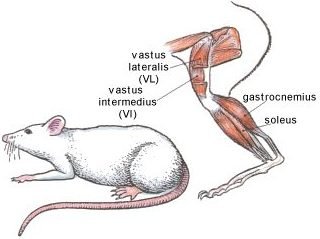
Rat’s soleus muscle
This story borrows from the real-life experiences of my uncle. He had married a youthful and talented Polish woman who initially was charmed by his worldly experiences and wisdom. However, as time passed, her affections shifted. She became enamoured with a visiting Polish concert pianist, and together they ran away to England, abandoning the life she had built. The dramatic tale of love and heartbreak would played out against the emotive backdrop of Chopin's music.

Iza’s birthday celebrations (prior to marriage)
This narrative, filled with its complex characters and their tangle of emotions, is calling out for attention. It's imbued with a weighty sense of melancholy and reflection, and it's this depth that I feel ready to explore. It's time to delve into these complicated emotions and bring the story to life.
In my upcoming post, I will delve into the art of developing characters with depth, complete with a compelling backstory. I will share the step-by-step process I follow and explain why this approach proves invaluable in various aspects, such as shaping their appearance, selecting the right actors, and effectively directing them on set. Without exaggeration, I consider this aspect of preproduction to be among the most essential and practical components.
I hope you will come along for the trip.
Bronek


Dr Jozef Kozka & his new wife Izabela Jadwiga Kozka

Joe with Iza and Sheila Kozka and an unidentified man.