
I'm honoured to announce that my series, "Mountain Water (shanshui): Walking the…
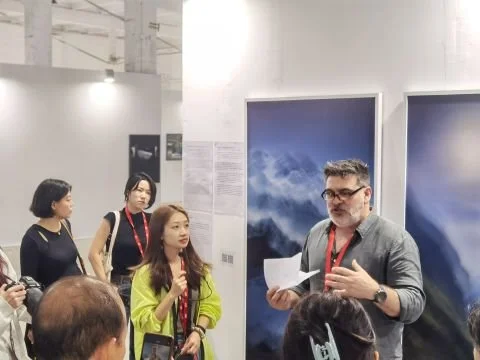
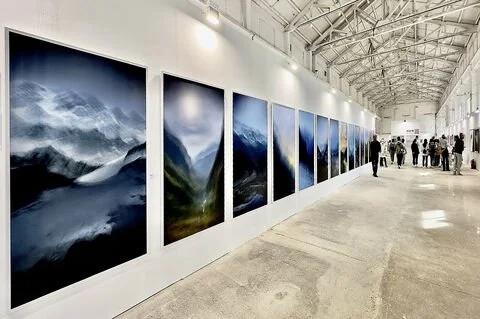
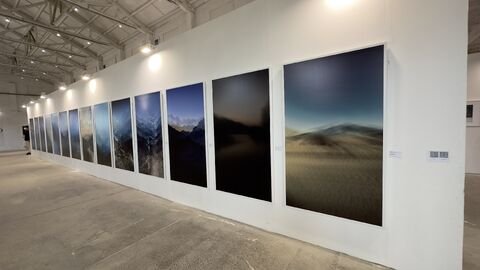
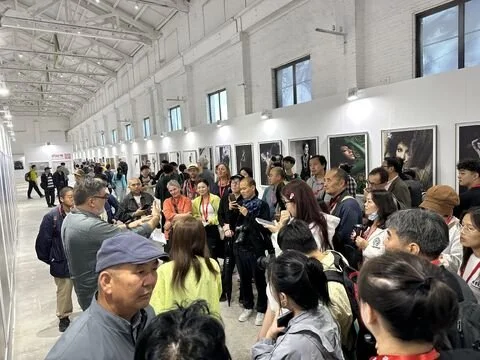
I'm honoured to announce that my series, "Mountain Water (shanshui): Walking the Annapurna Track," has been acquired by the Pingyao International Photography Festival (PIP) for their permanent collection. This…
I'm honoured to announce that my series, "Mountain Water (shanshui): Walking the Annapurna Track," has been acquired by the Pingyao International Photography Festival (PIP) for their permanent collection. This distinction speaks volumes, and I am deeply grateful for the recognition. This series has been a meaningful part of my exploration in merging traditional and contemporary photographic perspectives. I trust that it will engage and inspire all those who come across it at the festival.
I'm supporting the Masters of Fine Art (MFA) with a small print for their fund raising auction
I'm supporting the Masters of Fine Art (MFA) with a small print for their fund raising auction. It's from my latest body of work that was just shown in Pingyao, China at the Pingyao International Photography Festival.…
I'm supporting the Masters of Fine Art (MFA) with a small print for their fund raising auction. It's from my latest body of work that was just shown in Pingyao, China at the Pingyao International Photography Festival. This is a smaller scale AP version, approx 45 x 80 (images size is a little less). "Ascent to Thorong La Pass" was made on a hike on the Annapurna Track. This series is an exploration of the emotional, tactile, and philosophical connections we share with nature. Drawing inspiration from the Anhui painters and employing unique layering techniques, this series captures the soul of the landscapes, evoking the viewer's sensory and emotional engagement.
The MFA auction is great event, amazing work and fun, BUT if you can not attend you can still bid. All the detail are below:
RMIT MFA Auction
Date: 28 September 2023
Time: 6 - 9:30 pm
Location: Building 49, Level 3
67 Franklin Street
Melbourne VIC
Prior/remote bids:
https://lnkd.in/gesYtP3m
if you want to bid on this it is Live Auction Lot: L03
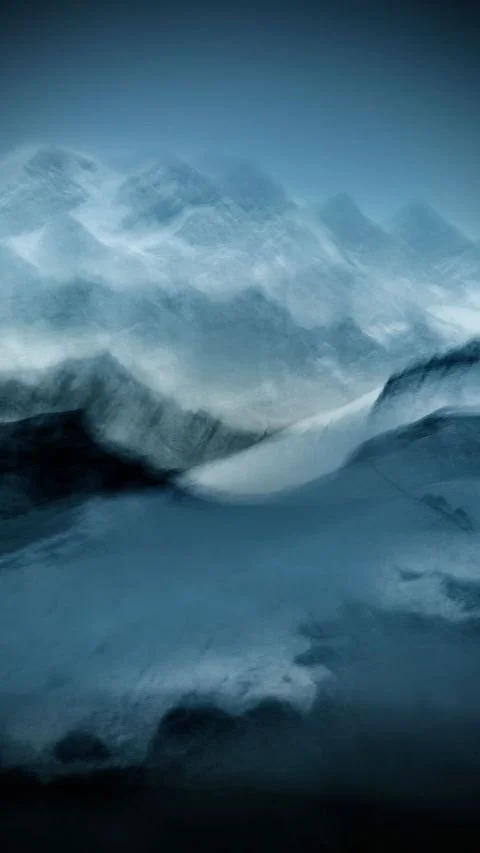
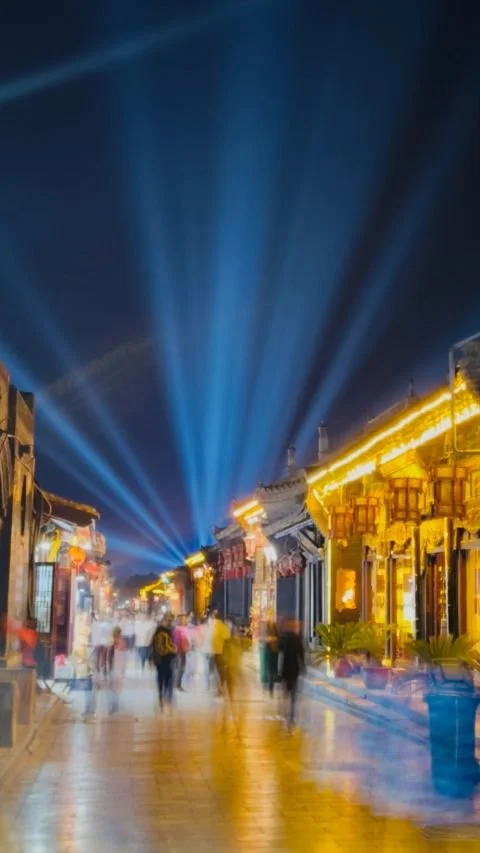
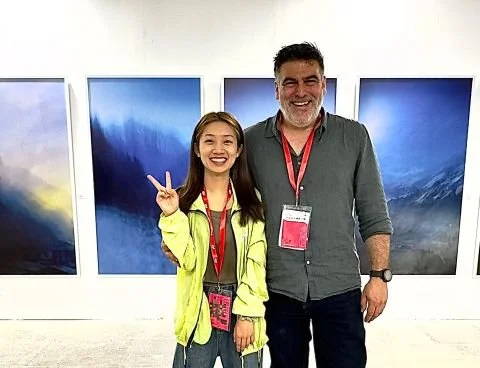
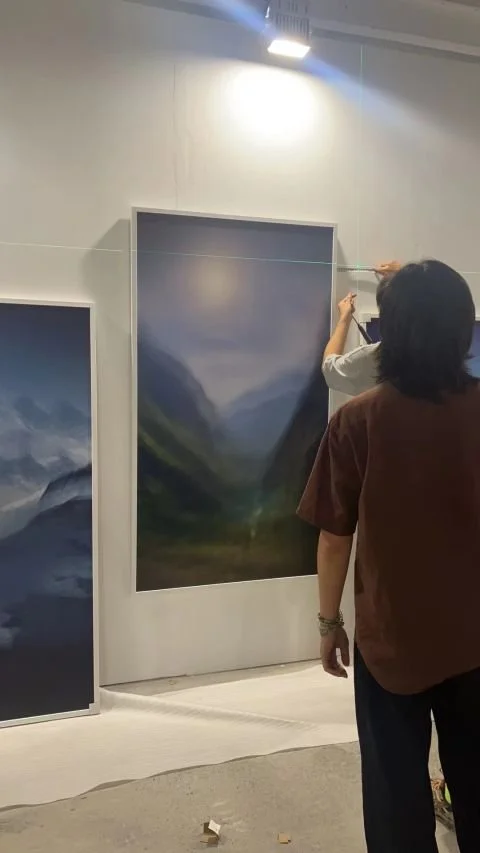
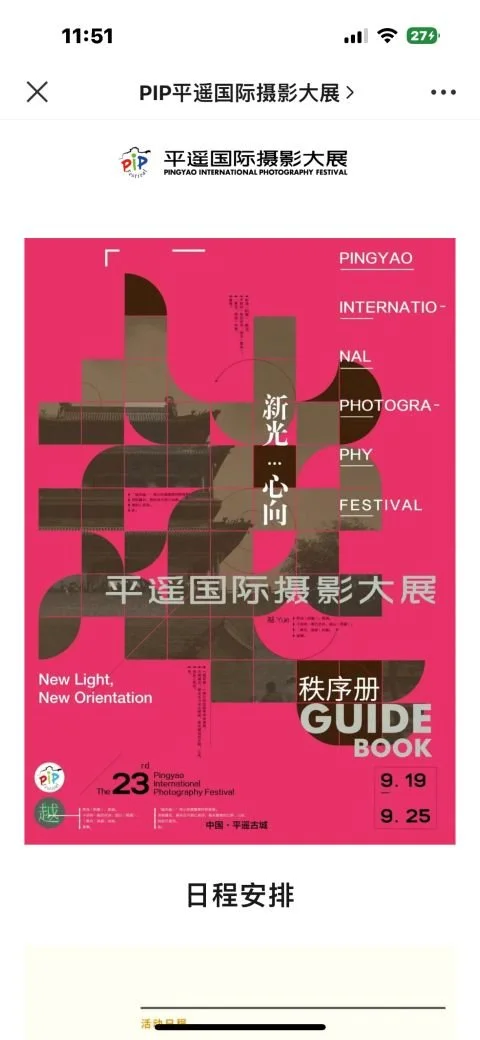
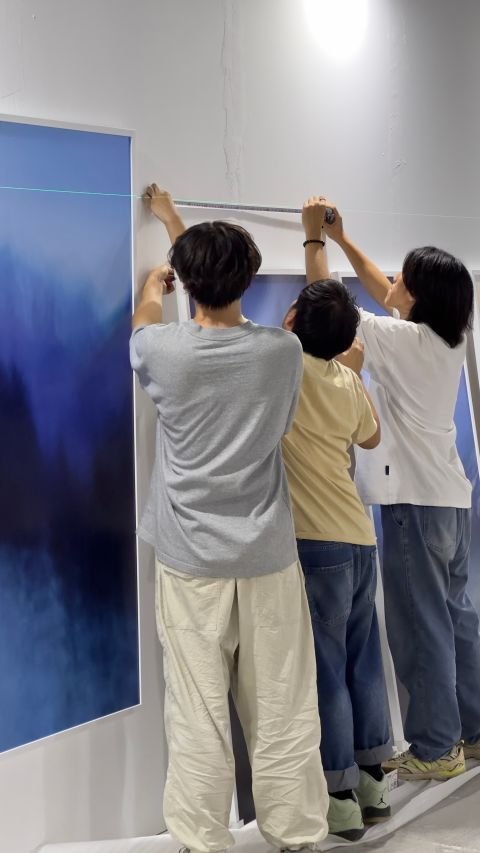
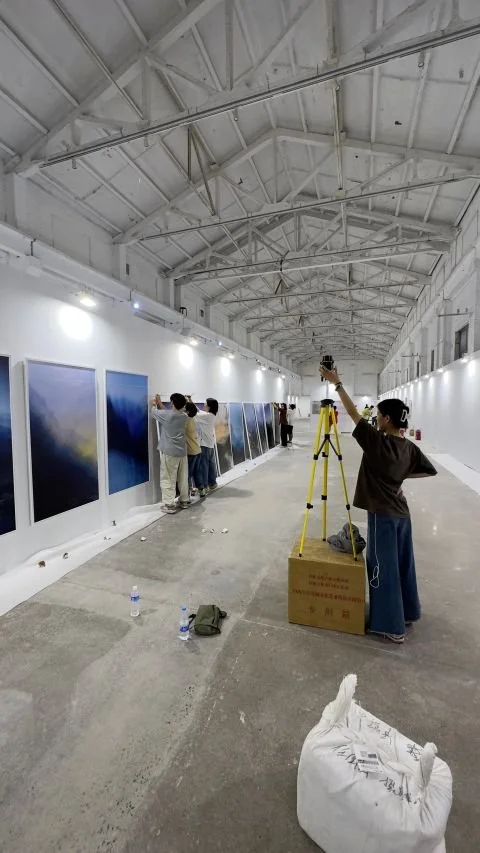
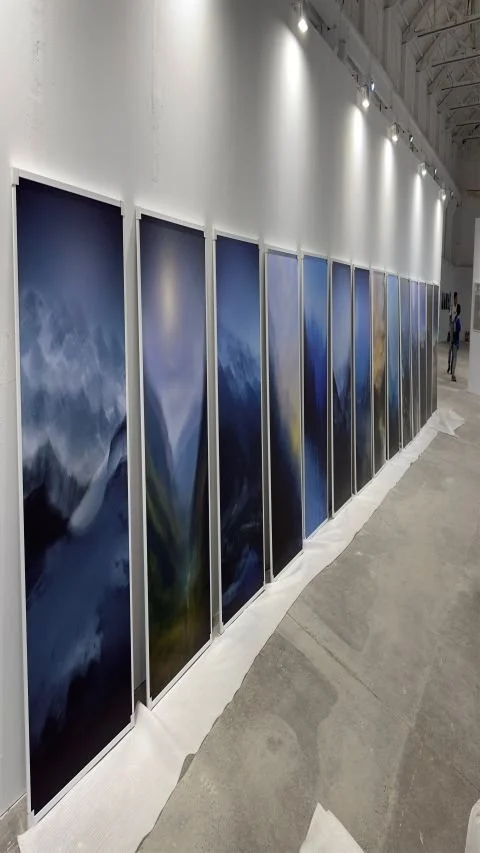
Great to be back in Pingyao to show Mountain Water (ShanShui) for the first time
Great to be back in Pingyao to show Mountain Water (ShanShui) for the first time. Then installation went really smoothly with the assistance of photo students from Nanjing Uni and my translator, Echo. #photofestival…
Great to be back in Pingyao to show Mountain Water (ShanShui) for the first time. Then installation went really smoothly with the assistance of photo students from Nanjing Uni and my translator, Echo. #photofestival #pingyaoancientcity #pingyaophotofestival #trekingnepal #nepaltravel #contemoraryart #contemporarylandscape #icmphotography
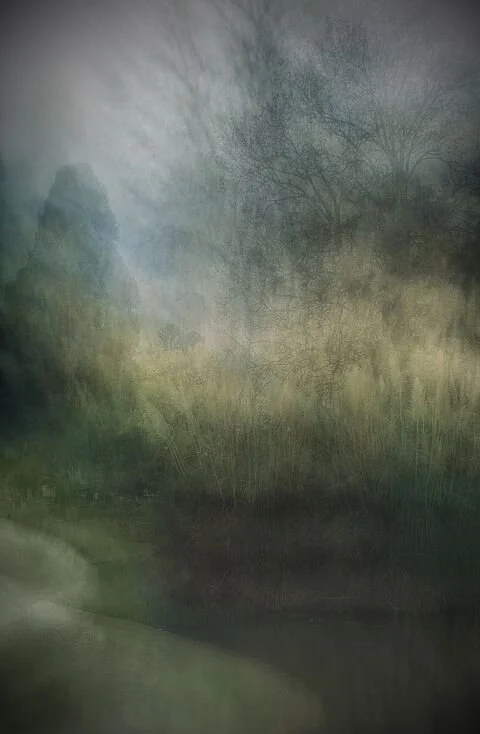
‘Down by the Yarra’ was made on the traditional lands of the Wurundjeri people
‘Down by the Yarra’ was made on the traditional lands of the Wurundjeri people. Their connection to the land and its waterways extends back tens of thousands of years to the beginning of time when their creator spirit…
‘Down by the Yarra’ was made on the traditional lands of the Wurundjeri people. Their connection to the land and its waterways extends back tens of thousands of years to the beginning of time when their creator spirit Bunjil formed the land and all living things. "Birrarung" is the indigenous name for the Yarra River in Melbourne, derived from the Wurundjeri language. It's often translated as "river of mists" or "river of mists and shadows." The Yarra River and its surroundings hold significant cultural and spiritual importance to the indigenous communities. As an artist, not only is acknowledging the traditional owners of this land crucial, but it's also fostering in me a desire to delve deeper and learn more about their rich history and connection to the land.
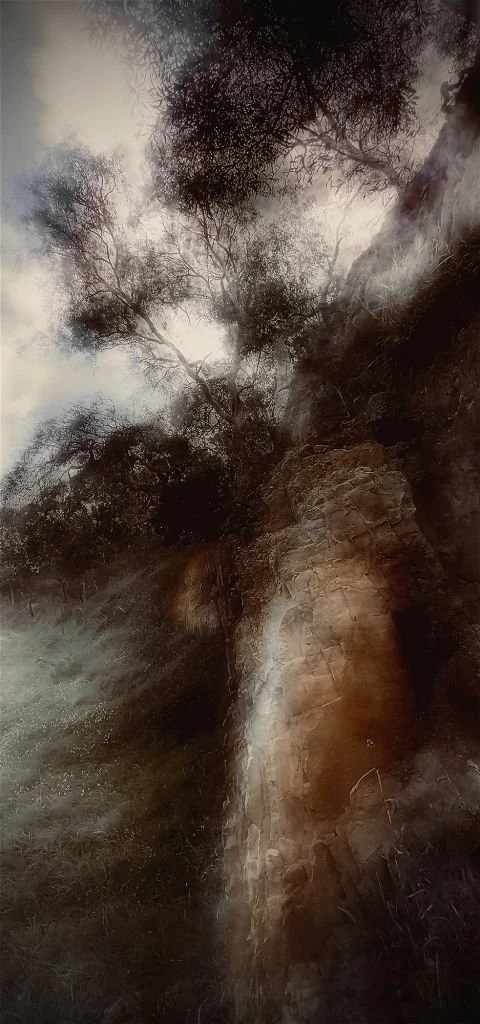
I recently discovered the very first image I created, which was initially a test…
I recently discovered the very first image I created, which was initially a test to explore the iDevice as a medium to connect more deeply with nature. This exploration eventually led me to study the Anhui painters of…
I recently discovered the very first image I created, which was initially a test to explore the iDevice as a medium to connect more deeply with nature. This exploration eventually led me to study the Anhui painters of China and delve into the rich tradition of Chinese painting, particularly the ShanShui (山水) or 'mountain-water' style.
Understanding my motivations to connect with nature and fostering a similar immersive experience for my audience has been enlightening. As the Melbourne-based artist and academic, Michael Graeve, insightfully points out: "blurring, the shake, and the double-take, all so that we can fall into the image as you fall into the landscape."
This artistic quest has also introduced me to profound poetry. In China, there is Shanshui poetry, which naturally complements the 'mountain-water' painting style. Meanwhile, in Japan, I was discovered the poet Taigu Ryokan. His words were the inspiration behind "The Winter Sun", made in Japan (2023).
The latest evolution of my project is more technical, focusing on technique-based development. By studying ShanShui painting, I've been exposed to specific brush techniques and methodologies. Understanding these techniques and their significance to ancient practitioners has enhanced my practice. Two brush techniques have particularly captured my attention:
Gong Bi (工笔): Detailed style. This meticulous technique employs multiple layers and tones to produce intricate images.
Run Miao (润描): Wet outlining. This involves creating outlines with a wet brush, letting the ink spread subtly on the paper.
From my perspective, these techniques serve as "anchor points" within the image. While some areas of my paintings exude the softness and blurriness of the "boneless" technique—a method dominated by ink washes without clear outlines—the more defined Gong Bi and Run Miao styles create contrast. They draw the viewer closer, inviting them to scrutinize concealed details.
The image I present today is a test piece, a 'working drawing' that I'm eager to share as part of this ongoing exploration.
Images: Full Image, details , one to show my experimentation with Gong Bi & the other the boneless technique
Alexandra Bregman's article highlights the significant revival of the photography market
Alexandra Bregman's article highlights the significant revival of the photography market. The fact that the Armory Show is now accompanied by a dedicated platform for photography underscores the renewed interest and…
Alexandra Bregman's article highlights the significant revival of the photography market. The fact that the Armory Show is now accompanied by a dedicated platform for photography underscores the renewed interest and fervor for this art form post-pandemic.
The historical auction figures for iconic pieces by Man Ray and Edward Steichen underline the growing valuation of photographs in the modern art market. Bruce Silverstein's insights into the pricing ambiguity and the vast opportunities for photographers and collectors alike in this space are noteworthy. The sheer idea that photographs from influential figures in history can be acquired at prices far below other art forms adds weight to Silverstein's observation of the art being "extraordinarily undervalued."
One of the article's core arguments revolves around the ubiquity of photography. In a digital age where nearly everyone has a camera in their pocket, there is an innate drive towards refined imagery. The populace's active participation in photography—as creators, editors, and sharers—has inevitably built a larger audience with an educated eye for the art form.
Yet, as the article touches upon, there's more to the resurgence than just historical appreciation. The intersection of AI and photography heralds an exciting chapter. The way artists like Sarp Kerem Yavuz and Damjanski are pushing the boundaries, blurring lines between reality, history, and AI-generated aesthetics, showcases an evolutionary leap in photography. These artists question the authenticity and "truth" of images, an introspection central to the medium since its inception.
But it's not just AI; there are other innovations, such as the weaving of photographs into physical structures, which are equally profound in challenging and reshaping our perceptions of what photography can be.
The future of photography, as Silverstein rightly points out, is a drift from the constraints of reality. Today's creators draw inspiration from pixels, crafting images that transcend the real and the imagined. This evolution points to a future where photography, or image-based art, will undeniably dominate the art landscape.
The establishment of Photofairs New York, under the leadership of Helen Toomer and Scott Gray, promises not just an annual exhibition but a continual dialogue on the metamorphosis of photography. Their vision of "putting down roots" and "planting seeds" is symbolic of the foundation they aim to build—a nurturing ground for the growth and evolution of the medium.
#PhotographyRevolution
#DigitalArtEvolution
#AIFutureInArt
#PhotofairsNY
#BeyondTheLens
#ArtTechConvergence
Drawing parallels with artists like Yao Lu, Yang Yongliang, Lang Jingshan, and my…
Drawing parallels with artists like Yao Lu, Yang Yongliang, Lang Jingshan, and my own work, we embark on a journey that takes us from serene traditional landscapes to the stark realities of urban encroachments on…
Drawing parallels with artists like Yao Lu, Yang Yongliang, Lang Jingshan, and my own work, we embark on a journey that takes us from serene traditional landscapes to the stark realities of urban encroachments on nature. This discourse aims to shine a light on how artists, across eras, have captured the evolution of human-nature interactions and how, despite the adversities, art can be a beacon of hope and inspiration for the future.
A Comparative Reflection on the Works of Bronek Kozka, Yao Lu, Yang Yongliang, and Lang Jingshan
As a contemporary artist operating in a world where the boundaries between nature and human-made environments are increasingly blurred, I often find myself introspecting on the paths treaded by previous visionaries and fellow contemporaries. As I reflect upon my work in this context, it is nearly impossible not to think about the ingenious shanshui montages of Yao Lu and Yang Yongliang, and how they starkly contrast and yet resonate with Lang Jingshan's layered compositions.

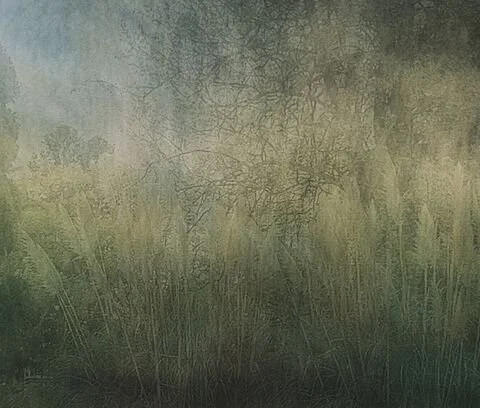
Unitiled, Japan 2023 B.Kozka
Lang Jingshan's works, rooted in a more traditional time, celebrate nature in its purity. His composite images emphasize serenity, aligning with the classical shanshui paintings. They bring forth an uninterrupted, harmonious relationship between humans and their surroundings, echoing a time when ecological disruptions were less evident.

Lang Jingshan, Spring trees and majestic peaks (Cunshu qifeng/ 春樹奇峰), 1934. (Photo courtesy of Long Chin-san Art & Culture Development Association).
On the other hand, Yao Lu and Yang Yongliang, through their intricate digital montages, have addressed the profound Anthropocene disruptions. They intertwine elements of rapid urbanization with the allure of classical Chinese landscapes, revealing the stark reality of environmental degradation. Their works do not just depict the contrast, but the integration of urban motifs with nature, suggesting a disturbing confluence rather than mere juxtaposition. In doing so, they unravel the disturbing truth about our dwindling relationship with nature, offering a critique of our times.
In drawing parallels with my own work, it's evident that while I, like Lang, might find solace and a source of reflection in nature, the pressing environmental issues highlighted by Yao and Yongliang cannot be ignored. Where Lang's works emanate a certain calm, Yao and Yongliang sound an alarm. But can there be a bridge, a synthesis of these approaches?
This brings me to my own journey. While Lang offered a peaceful coexistence with nature and Yao and Yongliang warn of our looming estrangement, perhaps my works suggest a re-engagement, a solution. Through my contemporary lens, I strive not only to highlight the challenges of our era but to propose a possible reconciliation. By engaging deeply with nature, by understanding its rhythms and intricacies, there's a chance for renewal. This is not just an aesthetic choice, but a call to action, an invitation to viewers to experience, respect, and work towards restoring the balance with the natural world.

Yao Lu, New Landscape 6 — Wine Boat on Pine Creek (新山水 六 — 松溪載酒圖), 2012. (Photo Courtesy of the artist Yao Lu)
While Lang Jingshan's works serve as a poignant reminder of a bygone era and Yao Lu & Yang Yongliang's montages starkly illuminate the issues of our times, my art hopes to offer a way forward. A path that not only acknowledges the challenges but also believes in the possibility of a harmonious coexistence between humanity and nature.

Yang Yongliang, “Time Immemorial — Sinking” (Taigu Shenshi — Chenmo/太古蜃市 — 沉没),, 2016. (Part) (Photo courtesy of the artist Yang Yongliang).
In expressing these reflections, there's a lingering concern that my optimism may come across as arrogance or naiveté. I recognize the weight and gravity of our environmental predicament and, in no way, intend to undermine its severity. Yet, in the face of such dire circumstances, perhaps even bordering on hopelessness, I believe that hope and proactive engagement are our most potent weapons. After all, without hope, there's a risk of inertia. And it's in this spirit of hopeful action, despite its potential naiveté, that I present my perspective. For it's not just about capturing and reflecting upon the world as artists, but also about inspiring change, no matter how incremental it may seem.

Hotham Heights, Victoria, Australia 2023 B.Kozka