
Announcing the 2025 Ulaanbaatar, Mongolia Photography Study Tour 🚨
🚨 Announcing the 2025 Ulaanbaatar, Mongolia Photography Study Tour 🚨 Led by Jerry Galea, acclaimed photographer and educator, this immersive 12-day tour is a unique opportunity for photographers of all levels to…
🚨 Announcing the 2025 Ulaanbaatar, Mongolia Photography Study Tour 🚨
Led by Jerry Galea, acclaimed photographer and educator, this immersive 12-day tour is a unique opportunity for photographers of all levels to explore Mongolia’s rich cultural and natural landscapes while refining their craft.
🌍 Why Mongolia?
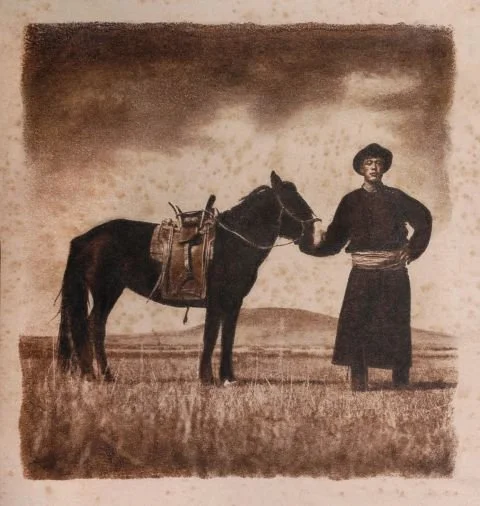
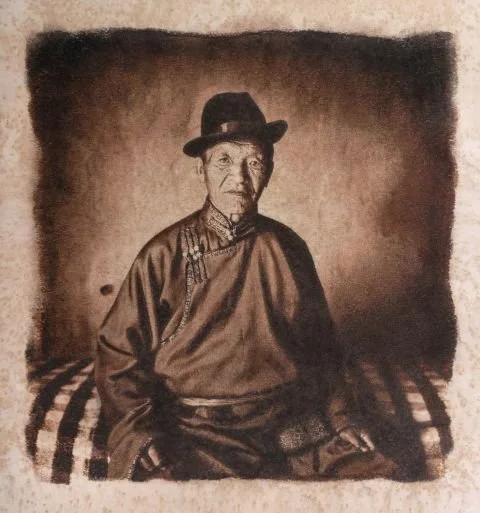
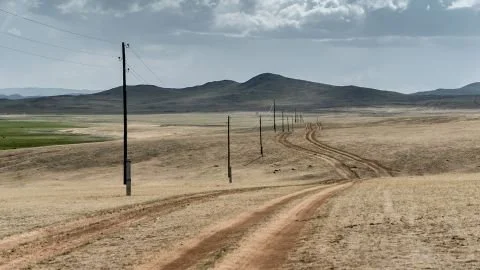
Mongolia offers an unparalleled mix of ancient traditions and emerging modernity. From the vibrant streets of Ulaanbaatar to the sweeping steppes of the Gobi Desert, and the remote Taiga region where the Dukha reindeer herders live, this journey will take you through diverse environments that few photographers have experienced firsthand. Jerry’s deep connection with the country – over 20 years of work in Mongolia – gives participants access to local communities and cultural insights that are simply unmatched.
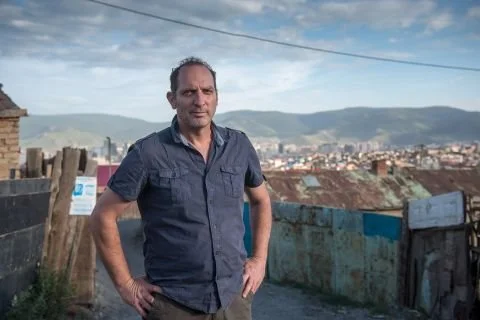
Meet Jerry Galea – Our Lead Photographer
🔍 What does this mean for you?
As a participant, you’ll learn more than just photography techniques – you’ll gain a deep understanding of how to connect with your subjects and tell compelling visual stories. Jerry’s philosophy is centered around the idea that the best photos are made through meaningful engagement with the environment and the people in it.
Every day, you’ll participate in workshops that focus on different aspects of photography, from composition to post-production. In the evenings, we host group critique sessions where you’ll share your work and receive constructive feedback from both Jerry and your peers. These sessions are designed to challenge you to think critically about your work and develop a deeper photographic vision.
Collaborative Learning
Our teaching philosophy is based on collaboration and mutual learning. Photography isn’t just about mastering techniques – it’s about understanding the context of your work.
Professional Development Opportunities
For those looking to further their careers in photography, this tour offers more than just skill-building. You’ll receive personalized guidance on how to develop a cohesive body of work.
Our participants typically include:
Amateur photographers eager to learn the craft in an inspiring setting.
Professional photographers looking to expand their portfolios with unique cultural and landscape photography.
Travel enthusiasts seeking to explore Mongolia in a deeper, more meaningful way.
Tour Dates: June 2025
Location: Ulaanbaatar, Gobi Desert, and Taiga Region, Mongolia
Cost: Approx. $AUD4200 (excludes airfares)
Limited spots available – register your interest now to be the first to receive booking information!
How to Register Your Interest
We expect this tour to fill up quickly! click the link below to express your interest and get more details.
It was an incredible experience staging this show in Pingyao, China
It was an incredible experience staging this show in Pingyao, China. Having curated and exhibited at this festival many times since my first in 2010, this year felt particularly special. I had the opportunity to not…
It was an incredible experience staging this show in Pingyao, China. Having curated and exhibited at this festival many times since my first in 2010, this year felt particularly special. I had the opportunity to not only showcase Melbourne as a true creative capital but also to bring together so many amazing and talented friends from the creative community. It was a celebration of art, collaboration, and the vibrant spirit that is Melbourne.
The Reality of the Fake: Simulacra, Artifice, and AI in Artistic Practice
In a world increasingly defined by its capacity to manipulate, reshape, and recreate reality, the Twin Hills in Shanghai stand as an iconic representation of the artificial landscapes that have come to symbolise modernity. At first glance, these hills, featured in a recent Guardian article, seem to blend seamlessly into their environment—a pair of verdant mounds mimicking nature's beauty. However, the truth beneath the surface is far more striking: the hills are, in fact, an elaborate facade, hiding the structure of a multi-storey car park. This irony is particularly poignant in Shanghai, a city that continues to push the boundaries of urbanisation by reshaping not only its skyline but also the very land itself.

Nicknamed Nipple Mountains … Shanghai’s Twin Hills. Photograph: Shine
This phenomenon extends beyond Shanghai. In the nearby region of Lanzhou, Gansu province, another stark example of the human impulse to construct the fake at the expense of the real has unfolded. In 2012, a plan to flatten 700 mountains to build the Lanzhou New Area was announced, reflecting the extent to which contemporary society prioritises economic growth over environmental preservation. The physical destruction of these mountains to build a new urban district is emblematic of the broader theme in modern development: the erasure of natural landscapes to make way for constructed realities.
These examples are profound reflections on how deeply modern society has embraced simulacra. They are not merely instances of aesthetic manipulation but part of a larger shift in the way we engage with the environment. The real is destroyed to make way for the fake—nature itself becomes a canvas for human design, where authenticity is replaced by artificiality, and the natural world is commodified into a manageable, more palatable version of itself.

What lies beneath … more than 30,000 tonnes of steel and concrete were cast to form the structure. Photograph: Bloomberg/Getty Images
In my artistic practice, this tension between the destruction of the real and the creation of the fake is a central theme. Whether it is through my Theme Parks series, where cultural icons are miniaturized into hyper-real family-friendly experiences, or my more recent work exploring AI-generated landscapes, my art seeks to probe the unsettling reality of this shift. Using digital tools, I create layered works that not only simulate nature but extend it—folding the artificial into the artificial, creating what can only be described as fakes within fakes. This dialogue between the real and the unreal, the destruction of the natural and the creation of the synthetic, lies at the core of my work, challenging viewers to reconsider their relationship with the environments they inhabit, both physical and digital.
The Fake Within the Fake
In my most recent work, I explore the concept of "fake nature" through the creation of images that layer artifice upon artifice. The process begins with an initial attempt to connect with nature, an endeavour that has traditionally involved venturing into natural landscapes to capture the raw, untouched beauty of the environment. However, in this instance, the "nature" I begin with is itself a fabrication—a simulacrum of natural landscapes in a man-made space. This source, a construction imitating nature, becomes the starting point for further manipulation, as I employ artificial intelligence (AI) to extend, reimagine, and ultimately deepen the layers of simulation.

Twin Hill, Shanghai image: B.Kozka
The starting point for this piece is a landscape that mimics the natural, but upon closer inspection reveals itself to be an artificial construct. Much like the Twin Hills in Shanghai, which serve as a car park disguised as a natural landscape, my image draws from a space designed to evoke a sense of connection to the natural world, while simultaneously being a complete artifice. This tension between the real and the fake is central to the work, and it mirrors the way in which modern society often engages with nature—through a mediated lens, where the pristine beauty we seek is often filtered, packaged, and constructed for our consumption.

work in progress image : B.Kozka
Once this artificial landscape is captured, I introduce AI into the creative process. Using AI as a tool, I begin to "fold out" the original image, extending and reshaping it to create additional layers of interpretation and reflection. The AI algorithms take the original simulacrum of nature and generate new, imagined landscapes based on it—landscapes that never existed in reality, but which feel just as real as the initial, man-made scene. This process of digitally augmenting an already artificial reality creates a visual experience that is both familiar and strange, where the viewer is left questioning the authenticity of what they see.
This layering of artificiality upon artificiality creates a hyper-reality, a concept deeply rooted in the ideas of philosopher Jean Baudrillard. According to Baudrillard, hyper-reality occurs when the distinction between reality and simulation collapses, creating a world where simulations of reality become more real than the original. In this work, the use of AI to extend a fake landscape transforms it into something hyper-real—a version of nature that is so polished, so perfectly manipulated, that it feels more "natural" than nature itself.
The role of AI in this process is both instrumental and thematic. On a technical level, AI allows me to push the boundaries of traditional image-making, offering new ways to manipulate and extend reality. By feeding the algorithm a simulated landscape, the AI is able to generate new content that is seamlessly integrated into the original image, creating an extended version of nature that feels authentic, even though it is entirely artificial. However, AI's role goes beyond technical manipulation—it is also a tool that invites us to question what is real and what is constructed. In this context, AI is not just creating new landscapes; it is highlighting the artifice that underpins them, encouraging the viewer to reflect on how digital tools are shaping our perceptions of the natural world.
In a broader sense, this work is a meditation on the layers of reality we navigate in the digital age. As our environments become increasingly mediated by screens, algorithms, and digital interfaces, our experience of nature—and of reality itself—becomes more and more constructed. My images, with their multiple layers of fake nature, reflect this shift, asking the viewer to consider the extent to which their own interactions with the natural world are filtered through layers of simulation.
Theme Parks and the Hyper-Real
In my Theme Parks series, I explore the intricate balance between the real and the artificial, particularly within environments that condense and curate reality into manageable, digestible forms. Theme parks are spaces where entire worlds—cultural icons, historical landmarks, and natural wonders—are miniaturised and reimagined for mass consumption. These spaces exemplify the concept of hyper-reality, where simulations of reality are often more appealing and "real" than the genuine articles themselves.

Pyramids and Eiffel Tower, Theme Park series image : B.Kozka
Pyramids and Eiffel Tower, Theme Park series image : B.Kozka
My work in Shenzhen, China, particularly in parks like Splendid China Folk Village and Window of the World, reflects this phenomenon. These parks offer scaled-down versions of famous global landmarks, allowing visitors to traverse the Great Wall of China, visit the Pyramids of Giza, and stroll by the Eiffel Tower—all in a single day. As Shane Hulbert discusses in the catalogue essay for the series, these parks present a "curated version of the world," where time and geography collapse into a single, surreal experience. The Eiffel Tower looms over the Sydney Opera House, while Mount Rushmore is flanked by artificial palm trees. This "meta-narrative for modern life" is less about presenting history or culture accurately and more about offering a highly consumable and enjoyable version of it.

Matterhorn, Theme Park series image : B.Kozka
Matterhorn, Theme Park series image : B.Kozka
In these parks, artificiality is not hidden; it is celebrated. The landmarks, while recognizable, are stripped of their original context, their cultural and historical significance reduced to visual spectacle. This aligns with Baudrillard's notion of simulacra—these are not simply replicas but hyper-real versions of the world, polished and perfected for the viewer's pleasure. The visitor becomes immersed in a reality that is more vibrant, more accessible, and more ideal than the real world ever could be.
Hulbert touches on this dissonance, noting that theme parks create "heterotopian spaces," where things are not as they first seem. While the parks are real in the sense that they exist as physical places, their presentation of the world is inherently fake, creating a sense of disconnection between what is presented and what is real. The careful curation of these parks distorts reality, offering a version of the world that is "both real and fake, scaled and disassociated from their actual particular space." In essence, these parks are simulations of simulations—an artificial world made to replace the real one.
Personally, I find these environments fascinating because they reflect society's growing obsession with perfect, polished realities. In my engagement with these spaces, I am less interested in their entertainment value and more drawn to their function as curated environments—worlds designed to control every aspect of the visitor's experience. Everything, from the architecture to the lighting, is engineered to evoke specific emotions, leaving no room for the unpredictability or imperfections of the real world.
Through my lens, I attempt to capture this dissonance, presenting the artificiality of these environments while hinting at the cracks in their facade. In some of my images, the grandeur of the landmarks is undercut by signs of wear—the cracking surface of the Matterhorn, the peeling paint on a replica of the White House. These details invite the viewer to question the authenticity of what they are seeing. Is this really the Pyramids of Giza, or just a convincing imitation? And if it is fake, what does that say about our experience of the real?
The artificiality of these parks links directly to my exploration of digital landscapes using AI. Just as the theme parks manipulate physical space, my AI-driven images manipulate digital space, creating worlds that feel real but are entirely constructed. In both cases, the viewer is invited into a simulation—a world that is recognizable yet dislocated from reality. The AI functions as a tool to extend these artificial landscapes, pushing the boundaries of what is real and what is imagined. In both the theme parks and my digital work, the question of authenticity is at the forefront: where does reality end, and where does the simulation begin?
Memory, Reality, and the Constructed Past
In my Remembering What Never Happened series, I delve into the complex relationship between memory and constructed reality, questioning how personal and collective memories can be manipulated, reshaped, and, in some cases, entirely fabricated. The series underscores the disconnection between personal memory and the realities we believe we remember, drawing parallels with the artificial landscapes of my Theme Parks series and the fake nature created through my AI-generated works. Just as landscapes and environments can be curated and constructed, so too can our memories—filtered and influenced by external forces such as media, technology, and cultural expectations.

BTS , Remembering what never happened
BTS , Remembering what never happened
At the core of Remembering What Never Happened is the idea that memory itself can become a simulacrum. Much like the artificial environments of theme parks or the digitally extended landscapes in my recent AI work, memories are subject to layers of construction. We tend to believe that our memories are faithful representations of past experiences, but in reality, they are often shaped by a variety of factors beyond our control. Cultural narratives, media portrayals, and even the way we share memories with others all contribute to the construction of a past that is not necessarily "true" in an objective sense. Over time, these memories can become distorted, altered, or entirely artificial—much like a carefully curated theme park, where the familiar landmarks of the past are rearranged and polished into something more digestible but far removed from their original form.
The creation of these "fake memories" is a deeply collaborative and technical process. Using 3D modeling, AI, and photography, I create highly detailed spaces that serve as the backdrop for these imagined memories. The process begins with an architectural framework—a digitally constructed house or room designed to reflect the imagined past of a particular character. For example, in one piece from the series, I worked with an architect to design a home based on the life of an imagined older man. The house was fully rendered in 3D modeling software, complete with furniture, lighting, and textures that evoke a sense of lived history, even though no one ever inhabited this space.

Installation image : Remembering what never happened
Installation image : Remembering what never happened
Once the space is constructed, I photograph actors in isolation, capturing hundreds of different expressions and poses, which are later composited into the scene. These actors, who never met during the creation process, are choreographed to appear as though they are engaging in social interactions—each in their own world, yet placed together in a common space. This disconnect between the characters further emphasizes the idea of constructed reality. The final images are not pre-visualized; instead, I respond to the characters' expressions and body language, allowing these elements to guide the narrative of the scene. In this way, the story of the memory unfolds organically, even though the memory itself never existed.
Through this process, I construct a space that feels real and lived in, but is entirely artificial—a hyper-real version of a memory. In this context, the "fake" nature of the memory is no different from the "fake" nature of a theme park or an AI-generated landscape. Both are simulations that evoke a sense of reality, yet remain fundamentally detached from the original. This raises important questions about the reliability of memory and the extent to which our past is shaped by external narratives rather than lived experiences.
For the viewer, confronting these constructed memories becomes an act of introspection. By engaging with these imagined scenes, they are invited to reflect on their own experiences of memory. How much of what we remember is real, and how much has been shaped by external forces? In today's world, where technology allows us to curate, edit, and share our lives with unprecedented precision, this question becomes even more pressing. The digital tools we use to preserve memories—photographs, social media posts, and even AI-generated content—are all layers of simulation that distance us from the real. In this sense, Remembering What Never Happened speaks not only to the individual experience of memory but also to the broader cultural phenomenon of constructing reality in the digital age.
The Role of AI in Artistic Practice
Artificial Intelligence has radically transformed my artistic practice, not merely as a tool but as a creative partner. Traditional photography captures a moment in time, reflecting reality as it appears, but my work with AI seeks to generate entirely new realities—expansions and reinterpretations of the real world, re-imaginations. These new realities are rooted in what was originally captured but also in what can be constructed, layered, and enhanced. In this sense, AI plays a crucial role in exploring the boundaries between the real and the simulated, much like the artificial landscapes of the Twin Hills in Shanghai.
Just as the Twin Hills conceal a multi-storey car park beneath an outwardly natural facade, my use of AI builds layers of artifice on top of a foundational image—the "Origin Image." This concept is central to my work: the original photograph represents a starting point, a raw encounter with the real, but it is only the beginning. Through AI, this base is expanded, allowing for a dynamic dialogue between what is real and what is constructed. The result is a hybrid image that feels simultaneously organic, artificial, I like a memory of something imagined.
In this dialogue between the real and the artificial, AI acts as more than a tool; it becomes a co-creator. It doesn't simply automate the artistic process but actively contributes to it, analysing the textures, lighting, and atmosphere of the original photograph and generating new elements that blend harmoniously with the existing composition. The Twin Hills function in a similar way, where artificial design mimics and enhances nature, creating a space that feels natural but is, in fact, entirely constructed. AI allows me to manipulate and expand the boundaries of reality, much like how the Twin Hills present a version of nature that obscures what lies beneath.
For example, in my work with coastal landscapes, AI enables me to introduce new layers of clouds or subtle shifts in lighting that were never present in the original scene. These enhancements create an illusion that feels real but is, in fact, a manipulation—a reflection of how AI can deepen the illusion of reality, in this case being a visual representation of both memory and imagination.

Whispers & Fury for Anna
Whispers & Fury for Anna
The integration of AI into my practice brings with it critical questions about the nature of simulation. Does AI enhance reality, or does it obscure it further? In the case of the Twin Hills, the artificial landscape could be seen as enhancing the urban environment—bringing a sense of nature to the city—or as a deception, masking the utilitarian structure beneath. Similarly, in my work, AI adds layers of complexity to the original image, but it also blurs the line between what is real and what is imagined.
This tension is particularly significant when considering our relationship with nature. Can AI ever be used to reconnect with nature, or does it only serve to distort and remove us further from it? In my practice, I often use AI to expand natural landscapes, creating hyper-real versions that feel both familiar and otherworldly. But as the layers of digital manipulation grow, the question arises: are these images bringing us closer to the essence of nature, or are they merely creating a more elaborate simulation? The Twin Hills prompt similar reflections—do they offer an improved urban environment, or do they symbolize society's growing preference for the artificial over the authentic?
AI's role in my practice also mirrors the fluidity of memory, much like the Twin Hills represent a curated memory of nature. Memories are not static; they are shaped and reshaped over time, just as AI allows me to expand and reinterpret a captured moment. In my work, AI-generated elements serve as layers of memory—distorting, embellishing, and adding depth to the original image. This process is particularly evident in my Coast series, where the AI's modifications create a fluid, evolving landscape that feels like a recollection rather than a static photograph.
This idea of memory connects directly to the broader theme of artificial landscapes like the Twin Hills. Just as AI allows me to reshape my memories of nature into something more idealised or polished, the Twin Hills reshape the memory of nature into a perfect, controlled form. Both the hills and my AI-driven works raise questions about the authenticity of these reimagined realities—are they truthful representations, or are they simulations designed to replace the real?

East Coast Tasmania , Coastal series
Ultimately, the role of AI in my artistic practice mirrors the broader theme of constructed realities embodied by the Twin Hills. Both are examples of how technology can create environments that feel real but are deeply artificial. The Twin Hills appear as natural features in an urban landscape, but they are carefully crafted simulations of nature. Similarly, my AI-driven work uses technology to expand and reimagine natural scenes, creating hyper-real environments that challenge the viewer's perception of what is real and what is artificial.
As with the Twin Hills, there is an ethical dimension to this practice. By creating these simulated environments, whether through physical construction or digital manipulation, we risk losing touch with the natural world. The artificial becomes more desirable than the authentic, and we begin to accept simulations as replacements for reality. In my work, this tension is always present—while AI allows me to explore the boundaries of creativity and memory, it also raises questions about the role of technology in shaping our perception of the world.
The Twin Hills in Shanghai—artificial mountains designed to conceal a parking lot—are emblematic of the broader tension between the real and the artificial that permeates both our urban environments and my artistic practice. These hills represent a world where simulations are not only accepted but embraced, reflecting humanity's growing desire to manipulate and reshape nature to fit our curated, controlled versions of reality, memory and imagination.
Throughout my work, whether through the Theme Parks series or my AI-generated landscapes, I explore the same disquieting phenomenon: the replacement of the real with polished, idealised simulations. The artificial becomes more desirable, more digestible than the raw and unpredictable, creating a world where even nature and memory can be digitally reconstructed to suit our desires. My AI-driven art, much like the Twin Hills, raises important questions about how we engage with the world around us. Do these simulations bring us closer to nature, or do they ultimately distance us from it, offering an artificial connection that obscures the original?
As our landscapes and memories are increasingly mediated by digital tools and artificial constructs, the line between what is real and what is imagined becomes harder to discern. The Twin Hills are a powerful metaphor for this blurred reality—a natural landscape that is entirely man-made, an illusion that is accepted as authentic. In my practice, I seek to push this inquiry further, using AI to expand upon the "Origin Image," folding layers of artifice into each piece and inviting viewers to question their own perceptions of reality.

new work , untitled, Xi'an China
The Twin Hills serve as a powerful metaphor for the intersection of the real and the artificial, much like AI serves as a tool for exploring that intersection in my art. Both highlight the growing trend in society to favour simulations over reality, to curate and control nature rather than engage with it authentically. As we continue to integrate AI and other technologies into our lives, the challenge will be to balance these enhancements with an awareness of what we may be losing in the process. Are we enriching our understanding of the world, or are we merely creating more elaborate fakes to replace the real?
Ultimately, both the Twin Hills and my work challenge us to confront the fake within the real, and to reflect on the implications of a world where simulations might become more meaningful than the original experiences they replace. As we move forward, the critical question remains: Are these constructed realities helping us reconnect with nature and memory, or are they merely more elaborate fakes, pulling us further away from the world as it truly is? As we navigate this increasingly simulated world, we must continue to engage with these questions, challenging our perceptions and understanding of reality itself.

new work , untitled, Xi'an China
Dreamscapes and AI: Surrealism Reimagined in the Digital Age
Dreamscapes and AI: Surrealism Reimagined in the Digital Age In today’s world of artificial intelligence and digital creation, we are witnessing a fascinating convergence between the aesthetics of dreams and technology.…
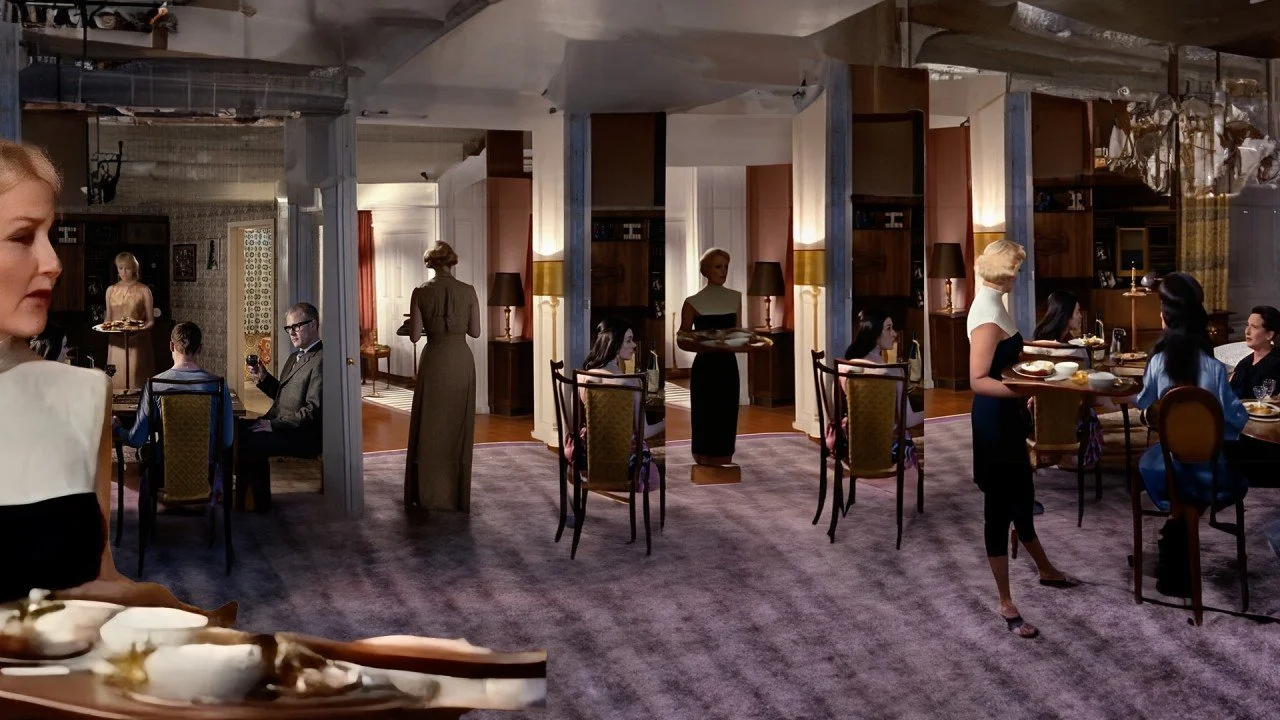
Dreamscapes and AI: Surrealism Reimagined in the Digital Age
In today’s world of artificial intelligence and digital creation, we are witnessing a fascinating convergence between the aesthetics of dreams and technology. Like the surrealists of the 20th century, who sought to capture the essence of the subconscious in their art, AI-generated content is crafting new dreamlike worlds, blurring the lines between reality and fantasy. As we explore these surreal landscapes, we’re reminded of the human desire to reflect on and interpret our dreams—an ancient impulse that AI is now helping us reimagine in profound new ways.
The Aesthetics of Dreams and AI
Platforms like Instagram and TikTok are teeming with AI-generated videos that feel eerily similar to dreams—surreal, fluid, and ever-changing. Morphing characters, shifting landscapes, and impossible scenes echo the imagery of our subconscious, where the rules of reality are suspended. These digital dreamscapes captivate us because they mirror the visual language of our dreams, a place where desires, fears, and fragmented memories come to life.
Best Years of Our Lives : Dinner Time No.1
According to Virtual Photography: Artificial Intelligence, In-game, and Extended Reality, the reason these AI creations feel so dreamlike lies in how AI generates images. AI draws from massive databases of pre-existing images and data, recombining these elements in ways that resemble how our minds use fragments from our experiences and memories to form new, often bizarre scenes during sleep. This explains why characters in AI videos frequently morph and change, much like they do in our dreams—they are a fluid blend of various influences, pulled together by the subconscious or, in AI's case, by its training data(Virtual Photography - A…).
Here is where AI and surrealism meet. Artists like Salvador Dalí and René Magritte sought to depict the irrational, strange worlds of dreams through traditional media, but AI-generated content now allows us to explore these same realms in immersive and fluid digital ways. AI’s dreamlike creations invite us to engage with the deeper, often hidden parts of our minds, presenting us with an opportunity to reflect on what these visions might reveal about ourselves.
Reflecting on Our Dreams: A Human Trait
For centuries, humans have been captivated by their dreams, seeing them as windows into the soul. From ancient dream interpretation to Freud’s psychoanalysis, people have long sought to understand the messages hidden in their subconscious. In many ways, reflecting on our dreams is inherently narcissistic—not in a negative sense, but in that it draws us toward exploring our inner worlds. Dreams offer a mirror to our deepest thoughts, and by reflecting on them, we attempt to gain insight into who we are and what we desire.
Today, AI extends this practice. Through AI-generated content, we can create visual representations of our subconscious, engaging with these dreamlike visuals in real-time. This fascination with creating and consuming these surreal digital reflections speaks to our ongoing quest for self-understanding, an impulse that has been part of human nature for as long as we’ve been dreaming.
eating everything in sight 81b29c
Surrealism’s Legacy in the Age of AI
Surrealism, as an art movement, sought to unlock the creative potential of the unconscious mind. According to the Virtual Photography text, AI is now taking this legacy to new heights, offering tools that generate visuals as strange and evocative as anything from the surrealist canon(Virtual Photography - A…). The beauty of AI lies in its ability to tap into the subconscious without the limitations of traditional media, creating shifting, morphing images that even Dalí could only have imagined.
But the similarity between AI and surrealism goes beyond aesthetics. Just as surrealism aimed to challenge the viewer’s sense of reality, AI-generated content disrupts our perceptions in a similar way. In surrealist paintings, everyday objects were often distorted or placed in impossible contexts, forcing viewers to question the boundaries between what is real and what is imagined. AI content invites us into a world where identities are fluid and reality is continually redefined.
The Role of Reflection in AI Dreamscapes
AI dreamscapes may be seen as a continuation of surrealism’s quest to explore the subconscious, but they bring something new to the table: the ability to reflect on dreams in real-time. Surrealists relied on imagination and memory to depict dreams, but AI allows us to generate these dreamlike worlds instantly. We are now given immediate access to visual representations of our subconscious thoughts.
The Virtual Photography book discusses how AI-generated images are not static but continuously evolving, much like the fluidity of dreams. AI, like our dreams, draws from a vast set of visual content—whether personal memory or a vast dataset. This explains why characters in AI-generated videos often morph and shift, just as our minds do when dreaming. Both processes reveal how identity and experience are dynamic, always evolving(Virtual Photography - A…).
AI as a Tool for Collaboration vs. Consumer Narcissism
In my own work, and that of other active users of AI, we have found AI to be an extraordinary tool for collaboration, allowing for the exploration of new visual realms alongside technology. By using AI, artists can expand their creative horizons, engaging in a dialogue between the human imagination and machine intelligence to create something truly innovative.
However, not all interactions with AI are this generative. As Virtual Photography highlights, AI can create spaces where reality becomes distorted, and while this can foster collaboration and creativity, there is also the danger of users becoming dulled by the technology(Virtual Photography - A…). AI-generated content, when consumed without reflection, risks reinforcing idealised versions of reality, creating digital echo chambers that dull the senses rather than stimulate them. Just as in Wim Wenders’ Until the End of the World, where characters became obsessed with replaying their dreams, we face the danger of becoming trapped in cycles of self-reflection, where our connection to the real world becomes tenuous.
Dreams, AI, and the Human Search for Meaning
The rise of AI-generated content marks a new chapter in the age-old human practice of reflecting on our dreams. Just as surrealism once sought to unlock the mysteries of the subconscious through art, AI is providing new tools to explore the surreal landscapes of our inner worlds. These digital dreamscapes captivate us because they mirror our deepest desires and fears, offering a space to reflect on parts of ourselves that are often hidden from view.
As the book Virtual Photography points out, AI is not just a tool for creativity—it’s a mirror of our desire to understand ourselves(Virtual Photography - A…). In this digital age, AI is transforming how we engage with art and self-reflection, revealing new facets of our subconscious minds. The challenge, as always, is to remain grounded in reality while embracing the infinite possibilities of our dream worlds.
Just visited the Marvellous Realism exhibition at Fotografiska Shanghai, and it…
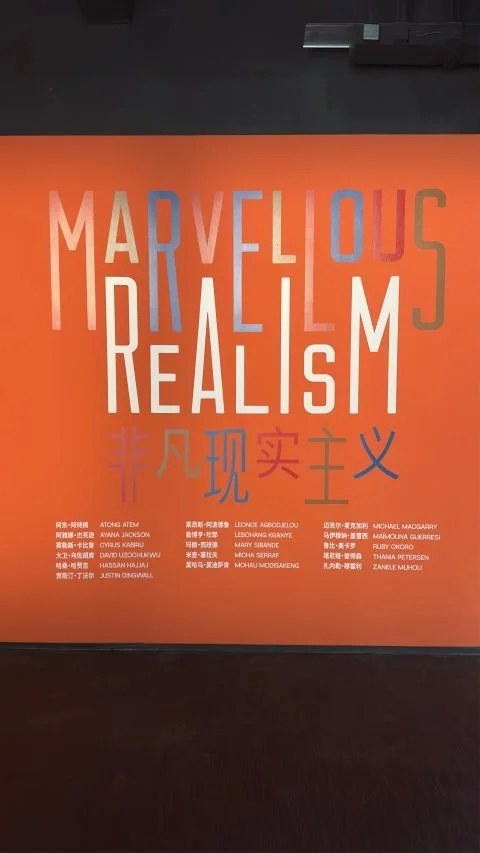
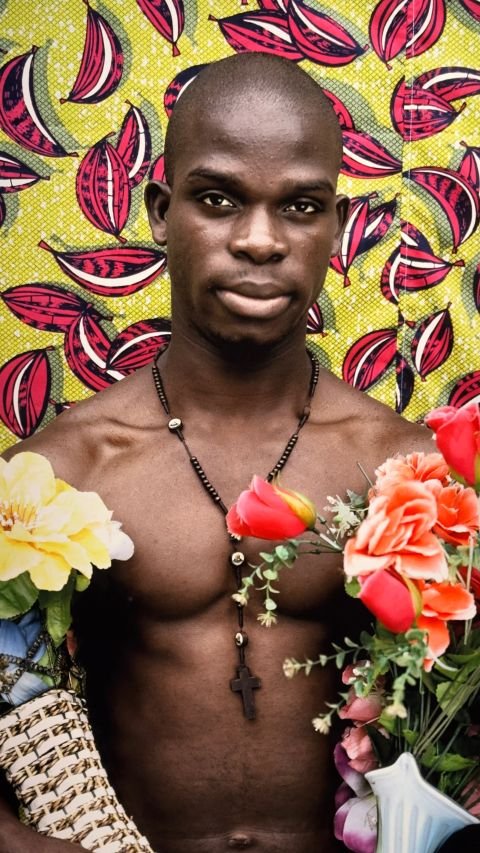
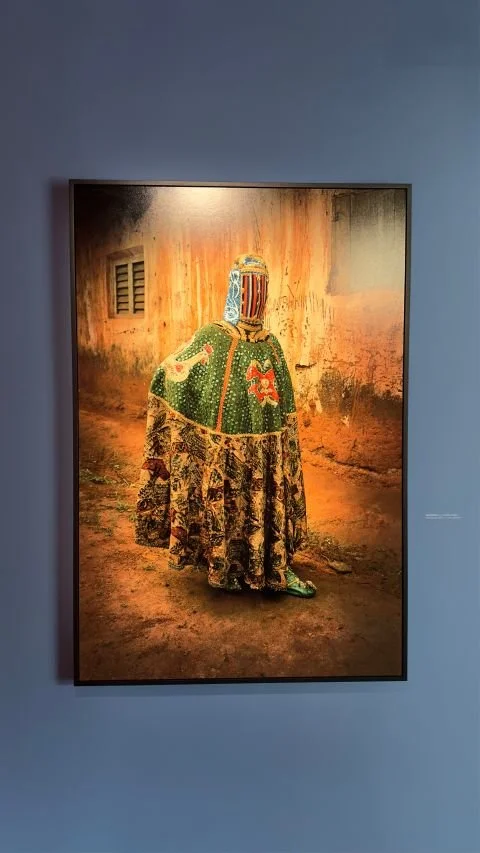
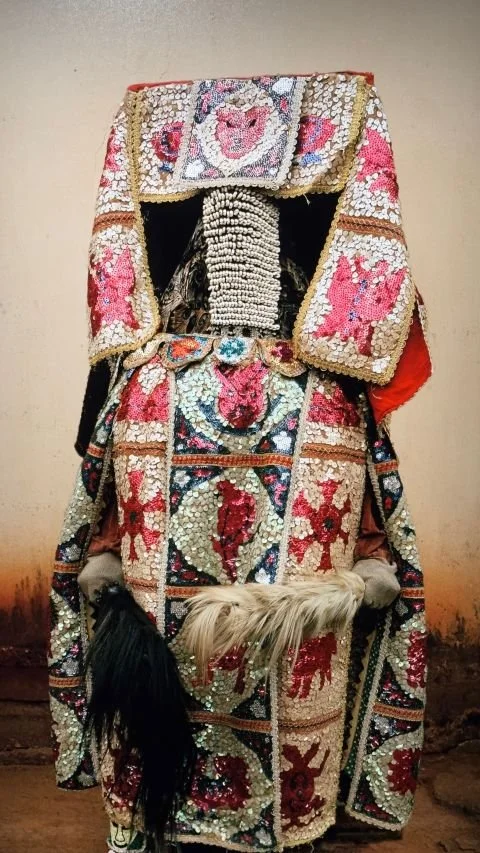
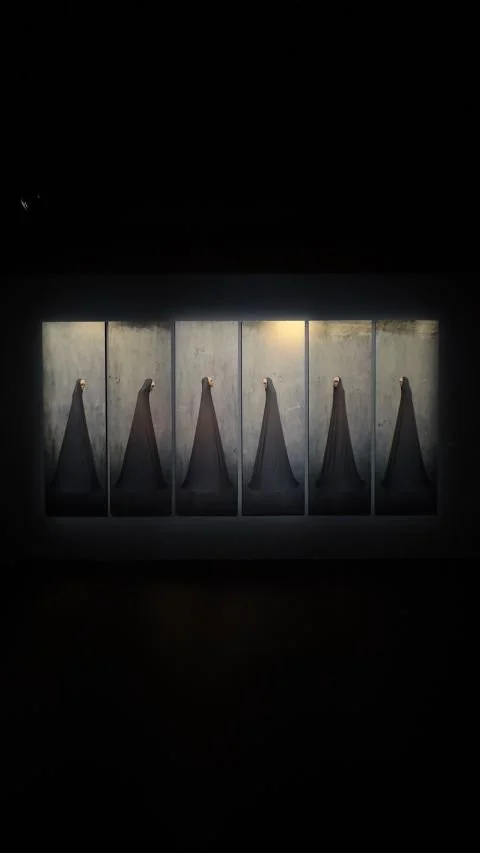
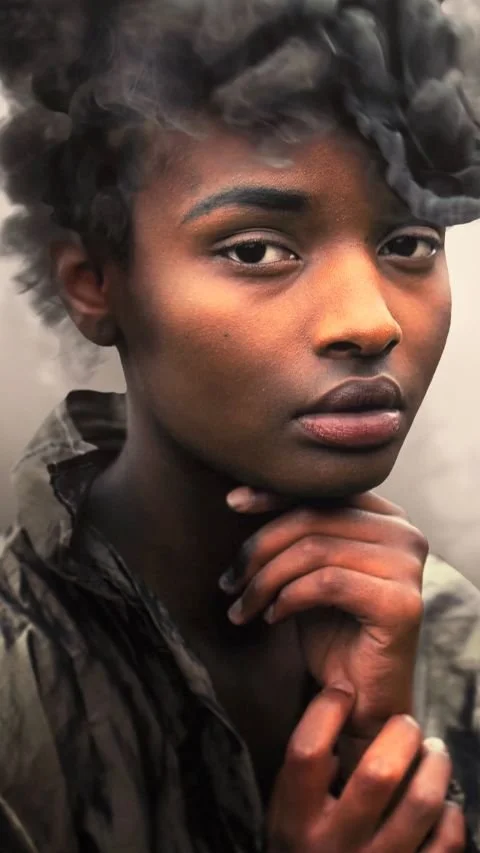
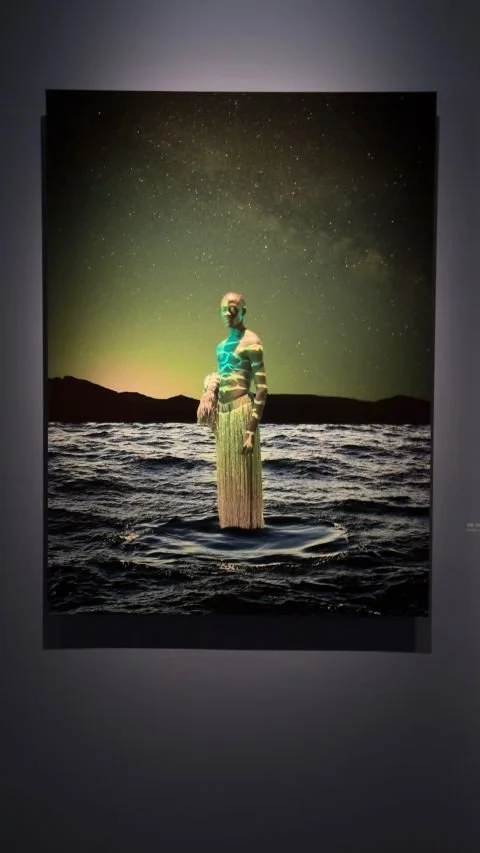
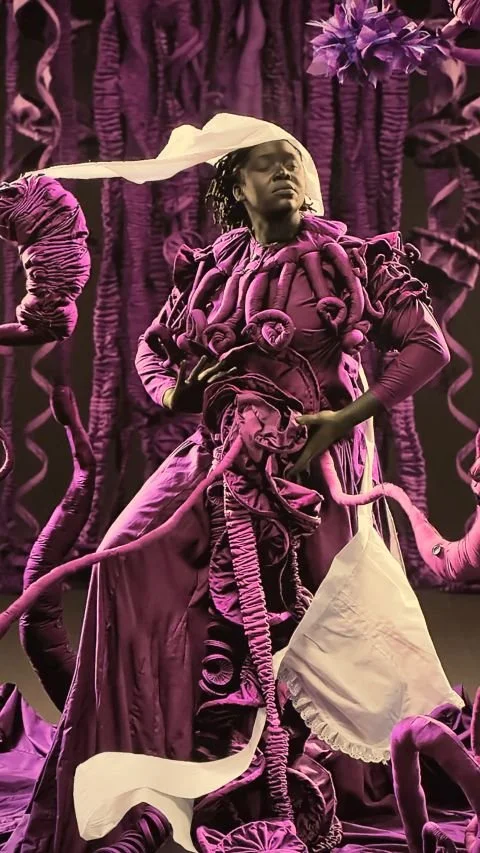
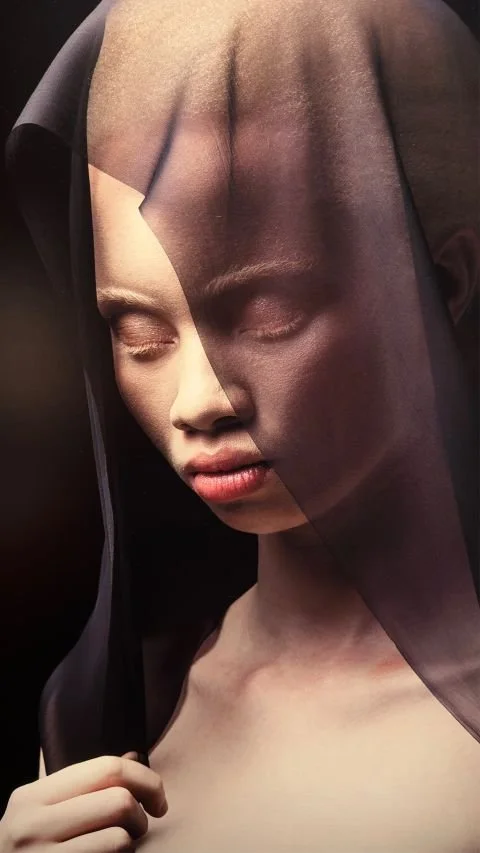
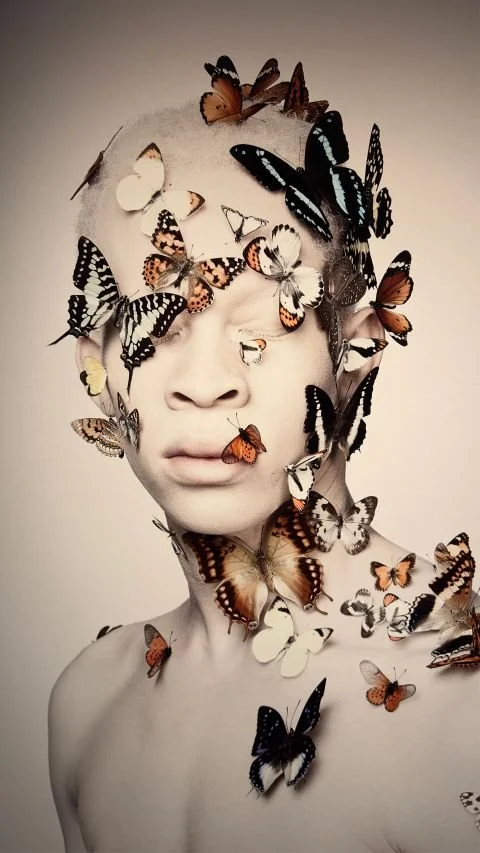
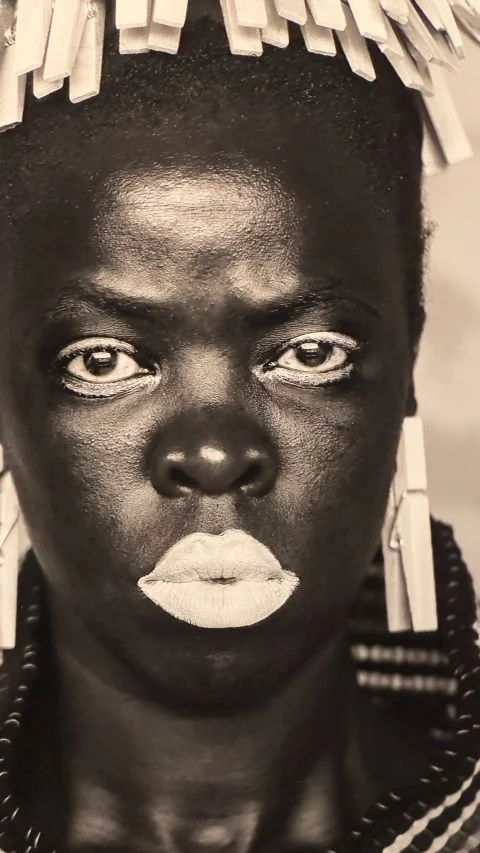
Just visited the Marvellous Realism exhibition at Fotografiska Shanghai, and it was truly incredible. The blend of contemporary African photography, exploring themes of myth, movement, and memory, was both…
Just visited the Marvellous Realism exhibition at Fotografiska Shanghai, and it was truly incredible. The blend of contemporary African photography, exploring themes of myth, movement, and memory, was both thought-provoking and visually stunning. Each artist’s unique perspective on identity, history, and culture left a lasting impression. Highly recommend experiencing this groundbreaking exhibition before it ends in December!
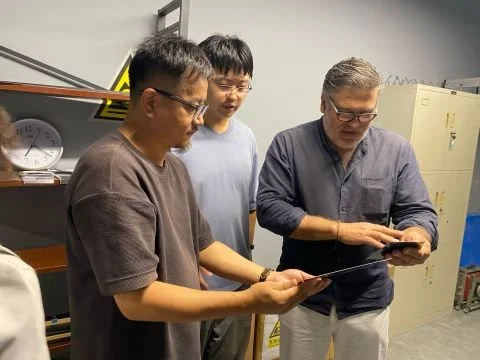
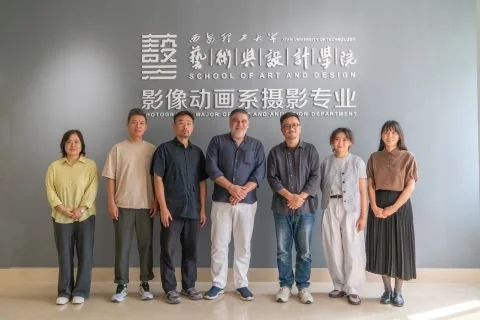
What an inspiring visit to Xi’an University of Technology’s Photography Department!
What an inspiring visit to Xi’an University of Technology’s Photography Department! I had the opportunity to present on creativity and share an in-depth look at one of my recent projects with both undergraduate and…
What an inspiring visit to Xi’an University of Technology’s Photography Department! I had the opportunity to present on creativity and share an in-depth look at one of my recent projects with both undergraduate and Masters students.
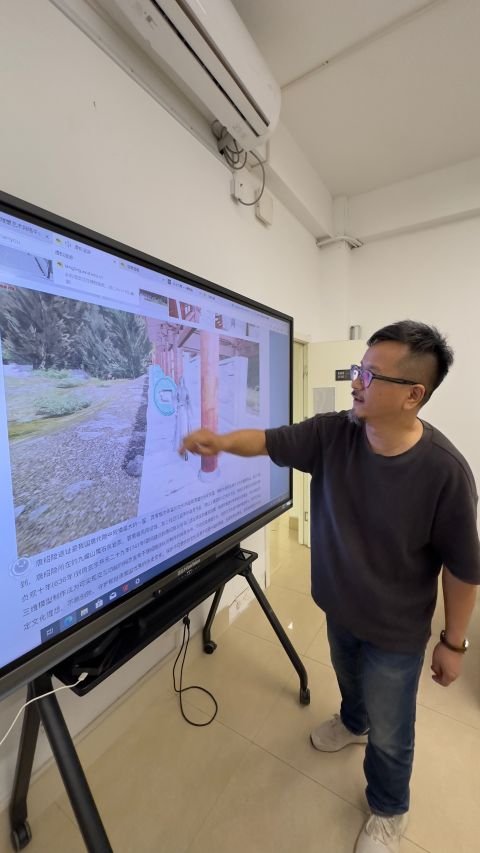
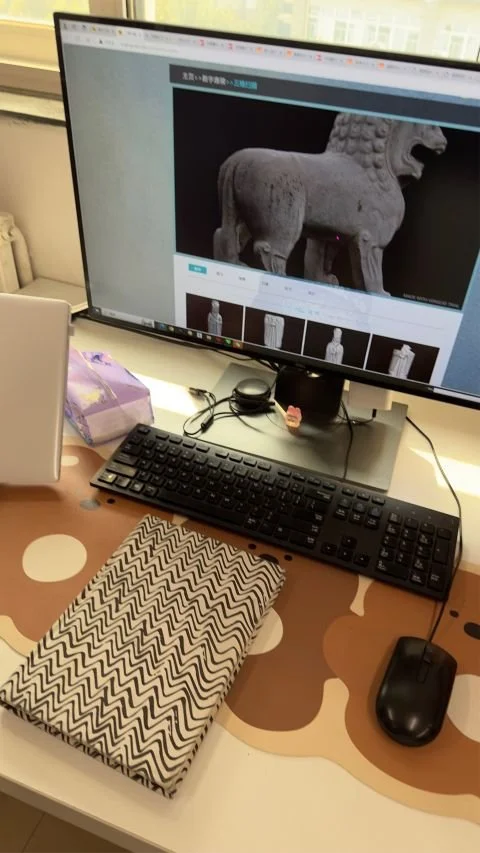
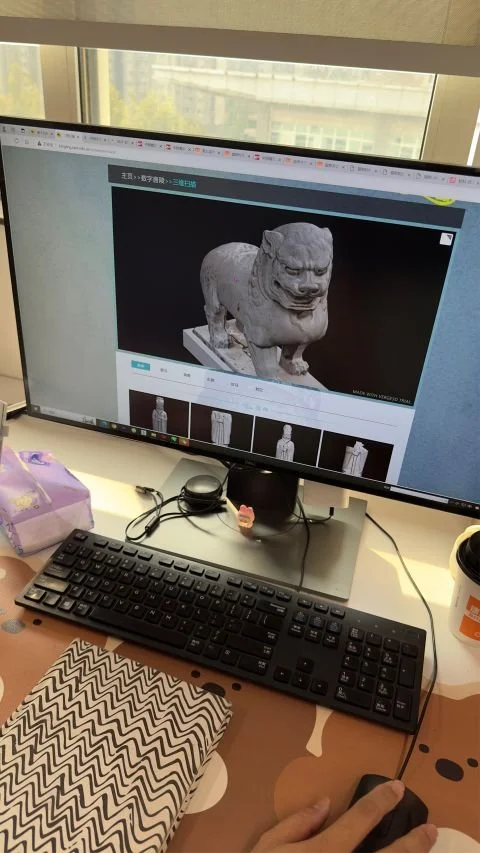
I was thoroughly impressed by the talent and dedication of the students, particularly the Masters cohort, who are working on some fascinating photogrammetry projects. They’re digitising burial sites and monuments in the Xi’an area, home to the famous Terracotta Warriors. It’s remarkable to see how they blend art practice and commercial work so seamlessly.
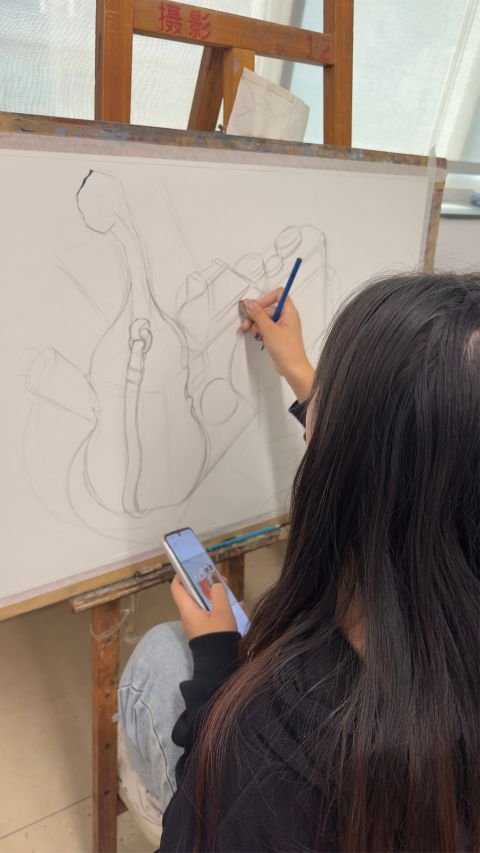
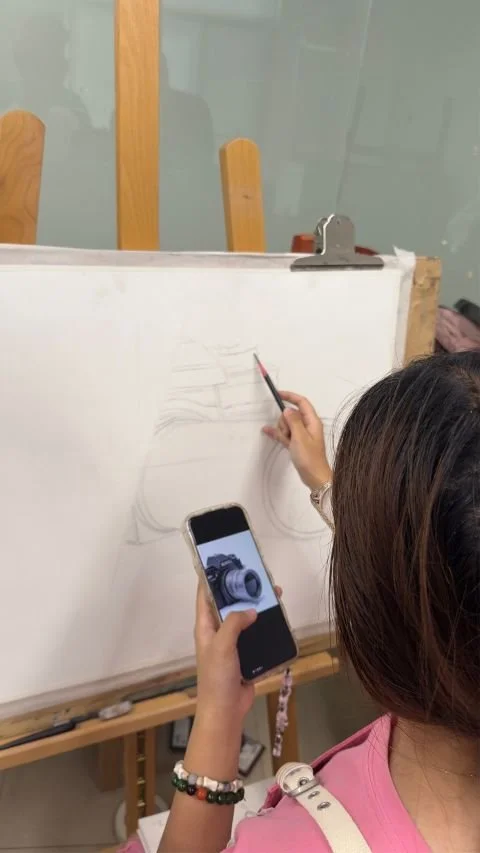
Equally impressive is the curriculum for first-year students, where they are actively engaging with both pencil drawing and new technologies, creating a fantastic bridge between traditional techniques and modern practice. The passion for combining the old and new is something that truly resonates with me.
Looking forward to seeing more innovative work from these talented individuals
When I took this photo in Xi'an after the Pingyao festival, I was struck by the…
When I took this photo in Xi'an after the Pingyao festival, I was struck by the mountains—they seemed to hold a kind of power or hidden history. I had just visited the terracotta warriors, and that experience definitely…
When I took this photo in Xi'an after the Pingyao festival, I was struck by the mountains—they seemed to hold a kind of power or hidden history. I had just visited the terracotta warriors, and that experience definitely influenced my perspective. I wanted to capture some of that essence in the shot. The way the mist layers the mountains, fading from dark to light, felt like a reflection of the weight of history I had just experienced. There’s something timeless about this landscape, almost as if it holds untold stories, just like the warriors buried beneath the earth. I hope I managed to bring some of that feeling into this image.
Halfway there! We’ve made great progress today with the installation at the…
Halfway there! We’ve made great progress today with the installation at the Pingyao International Photography Festival. The first half of the show is up, and it’s already looking phenomenal. A huge thanks to the…
Halfway there! We’ve made great progress today with the installation at the Pingyao International Photography Festival. The first half of the show is up, and it’s already looking phenomenal. A huge thanks to the incredible Pingyao crew for their hard work and to all the artists for their stunning contributions. We’ll be back at it tomorrow to complete the rest of the installation, bringing even more of Melbourne’s diverse photography scene to life. Can’t wait to see it all come together!
This post included a video. Watch it on LinkedIn.