A photograph on a screen weighs nothing
I have been working out what happens when it does.
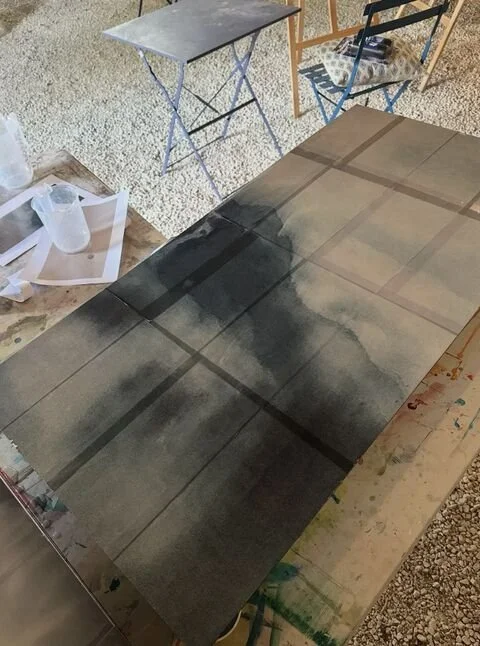
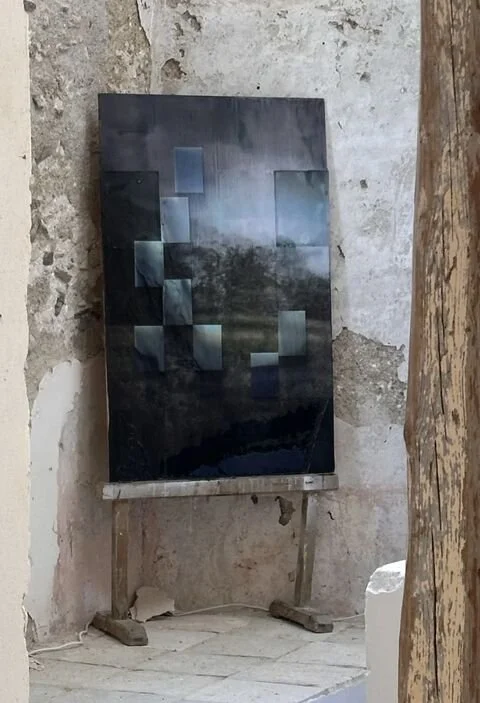
I print an image, mount it on plywood and pour resin over it. In other works I heat-form acrylic so the surface curves and the image curves with it. The picture stops being a window you look through and becomes something you walk around, with edges, depth and a back.
What surprised me is how much the image changes. The same landscape reads differently when light moves across a thick, glossy surface. You notice the reflections and the small imperfections. You notice that someone made it.
That seems to matter more now that AI can produce a convincing photograph with no camera, no place and no event behind it. When images are this cheap to make, physical evidence of making counts for more.
I am not arguing that digital is bad or analogue is better. My own process moves between camera, digital editing and print before it reaches resin and acrylic, and every stage changes the image.
The question I keep coming back to: at what point does a photograph stop being a representation and become an object in its own right?
Have you owned or made a photograph where the material changed how you read the image? What was it?