
Exploring the Fusion of Advanced Technologies; this is expanded photography
In my latest exploration, I’ve been diving into the intersection of innovative technologies as part of my photographic practice and research. This journey involves two distinct yet complementary tools: Luma AI and Scaniverse.
Luma AI & Dream Machine: Using Luma AI's Dream Machine, I create immersive, almost dreamlike journeys that extend beyond the original captured images. This tool allows me to expand panels to the left and right, transforming static images into dynamic visual narratives. It’s a process that invites viewers to explore “what’s next,” blending reality with the imaginative potential of AI-generated prompts.
Scaniverse: On the other hand, Scaniverse allows me to physically explore spaces and create large 3D models. This method is more than just capturing the visual—it’s a meditative approach that lets me curate a journey through the space. By engaging physically with the environment, I aim to produce a profound connection between the viewer and the subject.
Both tools start with images captured on-site, but their next phases diverge significantly. Luma AI pushes the boundaries into a dream world, while Scaniverse brings the tangible reality of the space into a 3D model. This duality in approach enriches my practice, allowing me to explore new dimensions of visual storytelling.
Why It Matters: Combining these technologies helps me bridge the gap between the tangible and the intangible. It’s about more than just creating images; it’s about crafting experiences that invite deeper engagement with the visual world. This work aligns closely with my ongoing exploration of the themes of memory, perception, and the interplay between the real and the ethereal.
Looking Forward: This innovative approach opens up new possibilities for how we interact with and interpret visual art. It’s an exciting time to be at the forefront of these technological advancements, and I’m eager to continue experimenting and pushing the boundaries of what’s possible in photography.
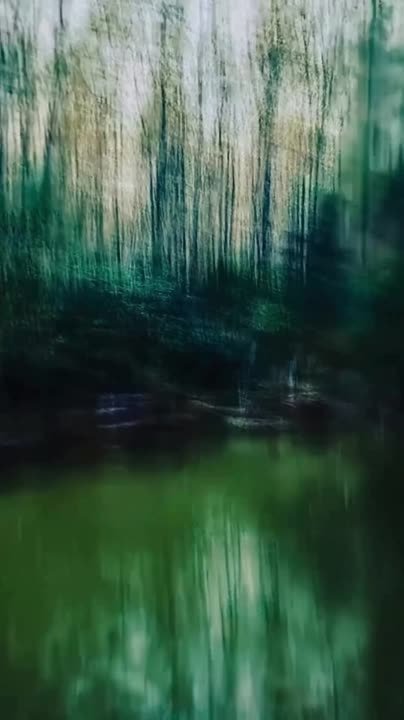
This post included a video. Watch it on LinkedIn.