I'm pleased to announce that I’ll be heading to Paris for Paris Photo
I'm pleased to announce that I’ll be heading to Paris for Paris Photo. While I won’t be exhibiting this year, I look forward to exploring the fair, connecting with galleries, and advancing my research for the "Dialogue"…
I'm pleased to announce that I’ll be heading to Paris for Paris Photo. While I won’t be exhibiting this year, I look forward to exploring the fair, connecting with galleries, and advancing my research for the "Dialogue" project. This project investigates the relationship between urban spaces and natural elements, exploring how green spaces, even in metropolitan areas, can foster well-being and a reflective connection to the environment.
If you’re attending, it would be a pleasure to connect and discuss perspectives on art, urban culture, and environmental narratives.
Atmospheric Harmonies: Exploring the Legacy of Turner, Whistler, Whadcock, and Contemporary Practice
A recent Instagram post from Cutter & Cutter Fine Art Gallery sparked an unexpected journey through artistic history. The post juxtaposed James McNeill Whistler's Nocturne in Grey and Silver with Richard Whadcock's…
A recent Instagram post from Cutter & Cutter Fine Art Gallery sparked an unexpected journey through artistic history. The post juxtaposed James McNeill Whistler's Nocturne in Grey and Silver with Richard Whadcock's contemporary works, revealing an artistic lineage that spans centuries. This serendipitous discovery, coupled with my recent encounter with J.M.W. Turner's work in Shanghai, illuminates a fascinating thread in artistic history: the treatment of atmosphere as subject rather than setting. The confluence of these experiences—viewing Turner's masterpieces in person, discovering the Whistler-Whadcock connection, and reflecting on my own artistic practice—has led me to contemplate the enduring power of atmospheric representation in art.
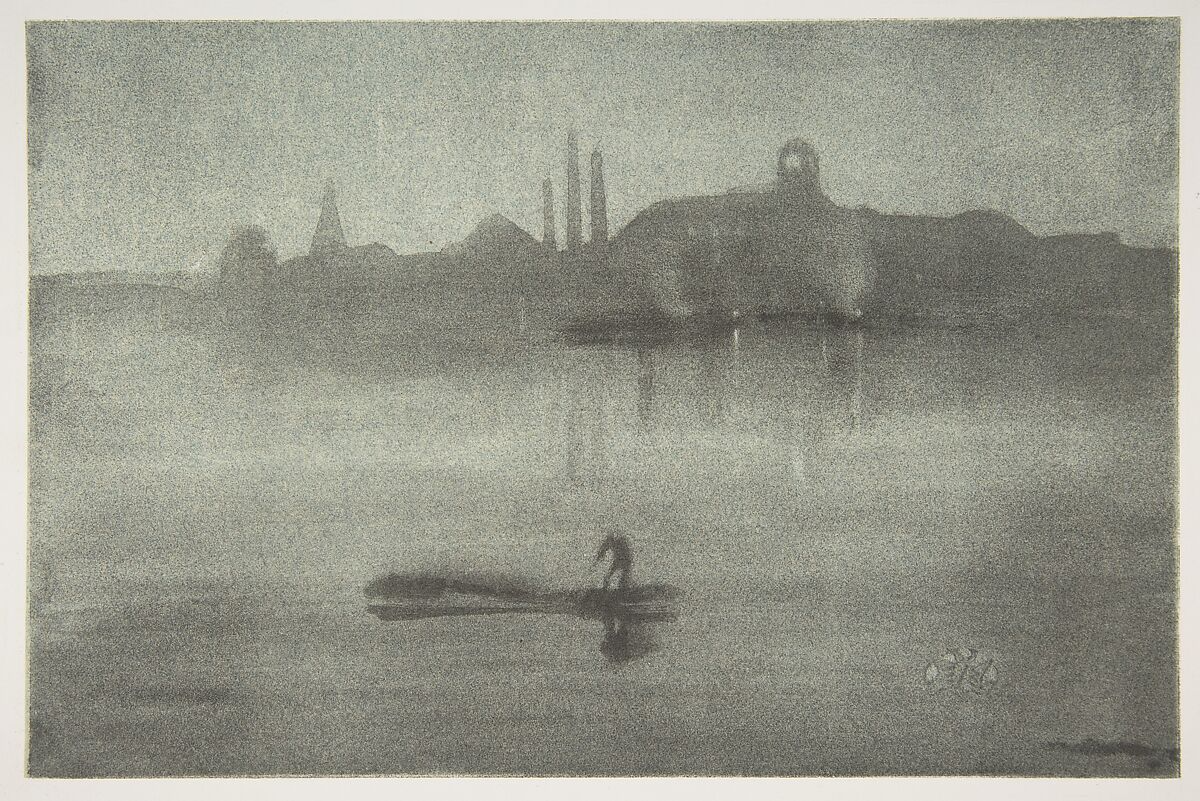
Whistler's revolutionary approach to painting emerged during a period of profound artistic transformation in the late nineteenth century. His Nocturnes series, particularly works like Nocturne in Black and Gold: The Falling Rocket, represented a radical departure from the detailed realism that dominated his era. Drawing profound inspiration from musical composition, Whistler created visual symphonies that transformed urban scenes into ethereal arrangements of tone and color. The Thames at night became his laboratory for artistic experimentation, where city lights, fog, and darkness merged into harmonious compositions that prioritised emotional resonance over topographical accuracy.
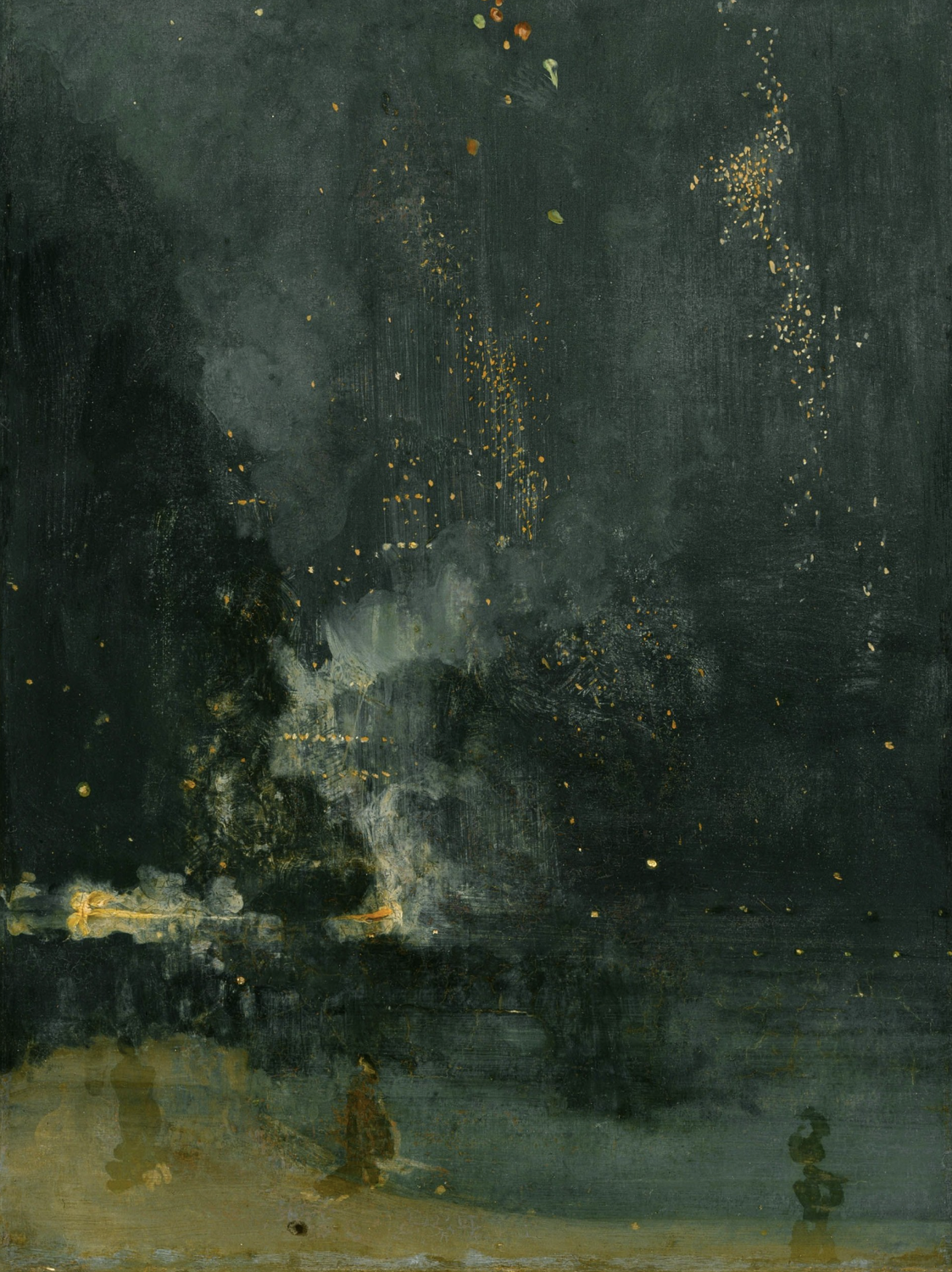
Whistler's technique was particularly revolutionary in its treatment of light. He would often work in the twilight hours, making rapid sketches of the river's changing atmosphere, later translating these impressions into finished works in his studio. His paintings captured the liminal moments when day transforms into night, when solid forms dissolve into atmospheric effects, and when the familiar cityscape becomes a dreamlike realm of subtle gradations. This approach wasn't merely technical innovation—it represented a fundamental shift in how artists could approach the relationship between observation and emotion, between the visible world and its spiritual essence.
The legacy of Turner looms large over this tradition of atmospheric painting. My recent experience viewing his works in Shanghai offered a profound reminder of his enduring influence. Turner's masterpiece Rain, Steam, and Speed exemplifies his unique ability to transmute natural phenomena into transcendent experiences. The painting, with its train emerging from a maelstrom of weather effects, demonstrates how atmospheric conditions can become powerful metaphors for human experience. Turner's technique of building up layers of translucent color, often working wet-into-wet, created a luminosity that seemed to emanate from within the canvas itself.
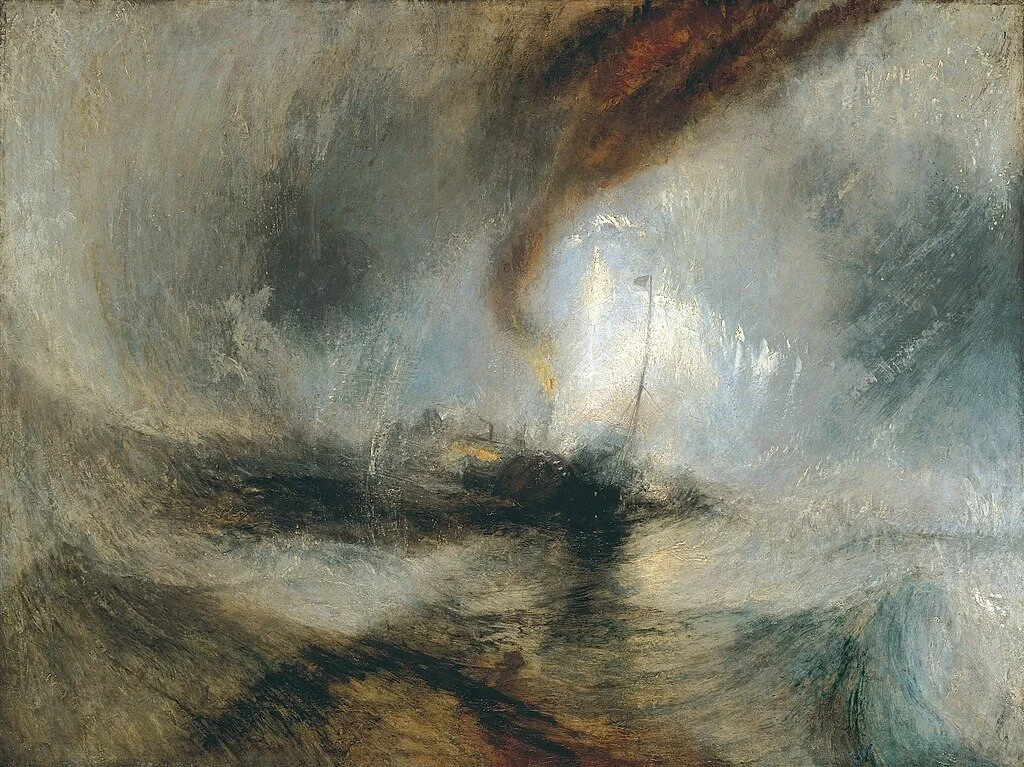
Turner's approach to light and atmosphere went far beyond mere technical virtuosity. In works like Snow Storm - Steam-Boat off a Harbour's Mouth, he pushed the boundaries of representation to their limits, creating images that hover between recognition and abstraction. The story—possibly apocryphal—of Turner having himself lashed to a ship's mast during a storm to better understand nature's fury speaks to his desperate desire to capture not just the appearance of atmospheric effects, but their emotional and spiritual impact. Watching the Turner biopic during my flight home from Shanghai deepened my appreciation for this aspect of his work, highlighting how his personal experiences informed his artistic vision.
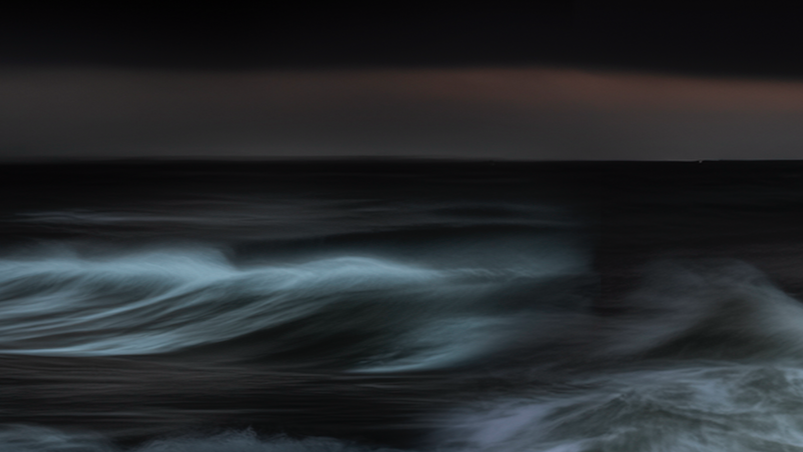
Richard Whadcock carries this atmospheric tradition into our contemporary moment with remarkable sensitivity. His paintings of the Sussex landscapes achieve something that mere photographic documentation cannot: they capture the emotional essence of place. Through careful manipulation of horizon lines and diffused light, Whadcock creates spaces that exist in a perpetual state of becoming, never quite resolving into fixed forms. His technique involves building up multiple layers of paint, each contributing to a sense of depth that seems to extend beyond the physical surface of the canvas.
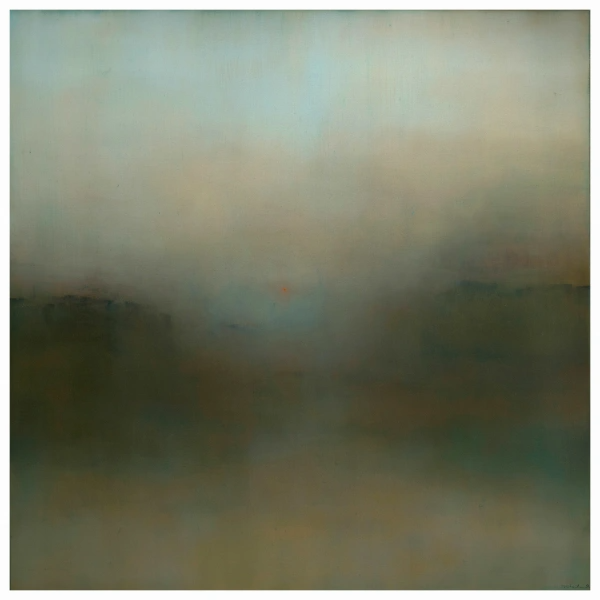
Whadcock's work demonstrates how the atmospheric techniques pioneered by Turner and Whistler remain vital tools for contemporary expression. His landscapes, while rooted in specific locations, transcend mere topographical recording to become meditations on the nature of perception itself. The muted palette and soft edges in his work create a sense of uncertainty about where one form ends and another begins, mirroring our own often ambiguous relationship with the natural world.
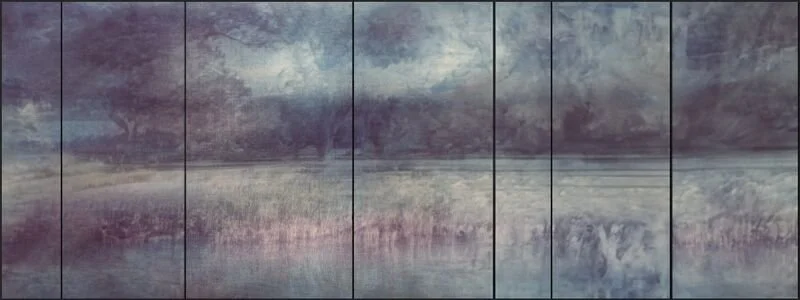
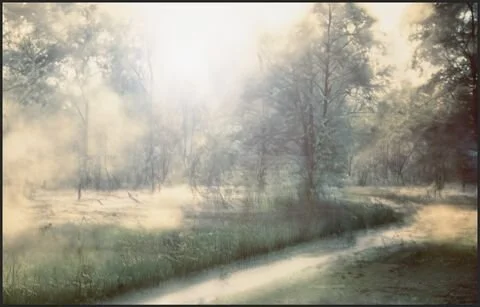
In my own artistic practice, particularly through my series Hidden in the Glass, I explore how digital tools can extend this rich legacy of atmospheric investigation. By blending natural and urban environments, I investigate the boundary between physical and virtual space, creating works that question our relationship with both the natural world and our constructed environment. This approach draws directly from my artistic forebears: Turner's sublime natural forces, Whistler's tonal harmonies, and Whadcock's contemporary interpretations all inform my investigation of how light transforms familiar spaces into otherworldly realms.
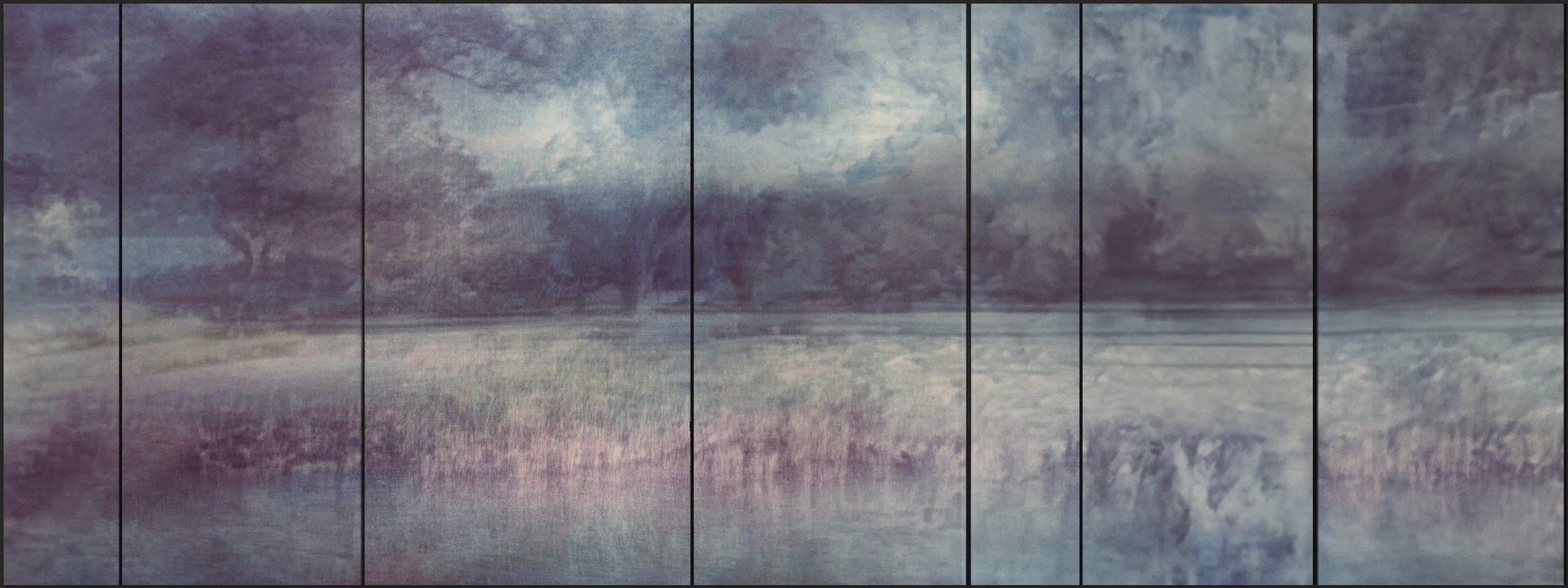
The digital medium offers unique opportunities to explore atmospheric effects. Through layering and manipulation of transparency, I can create complex interactions between different elements of a composition, much as Turner built up his surfaces through successive glazes of paint. The ability to blend and transform images digitally allows for a kind of atmospheric malleability that feels particularly relevant to our current moment, where the boundaries between natural and artificial environments become increasingly blurred.
The shared pursuit of atmospheric effect among these artists reveals art's enduring capacity to render the invisible visible. Whether through Turner's swirling maelstroms, Whistler's nocturnal harmonies, Whadcock's misty horizons, or contemporary digital explorations, we all seek to capture not just the world's appearance, but its emotional resonance. This lineage demonstrates how atmosphere in art transcends mere technical achievement to become a language of feeling—one that speaks across centuries to our deepest perceptions of space, light, and human experience.
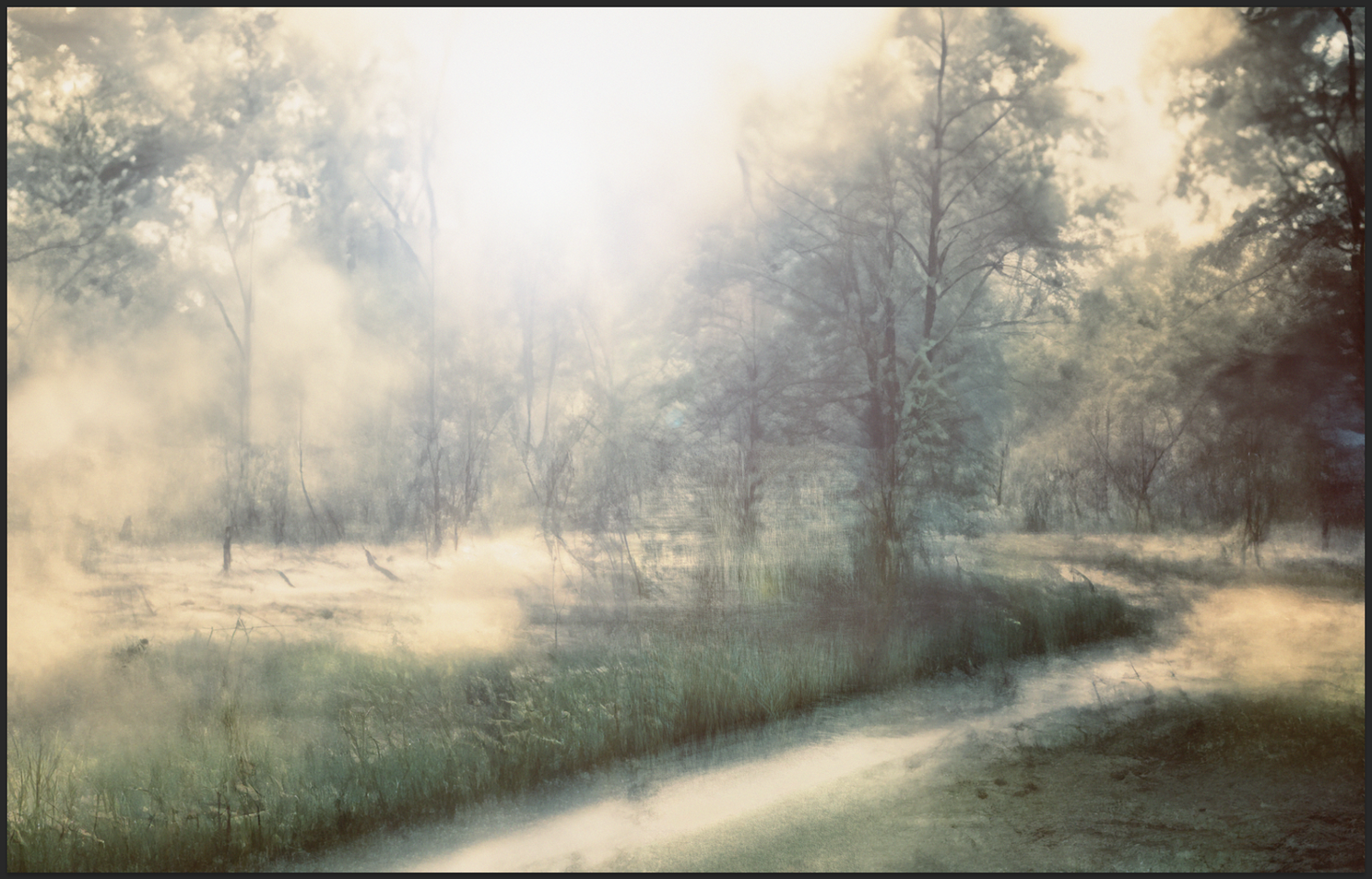
As we move further into an age where digital technology increasingly mediates our experience of the world, the lessons of these atmospheric pioneers become ever more relevant. Their work reminds us that art's highest purpose may be to reveal the extraordinary within the ordinary, to show us how light, air, and weather can speak to the most profound aspects of human experience. In continuing to explore these themes through contemporary means, we maintain a vital connection to this rich artistic tradition while pushing it in new directions appropriate to our time.
Bronisław (Bronek) Kozka
Just a reminder there is only a day left for the print giveaway : How to enter
Just a reminder there is only a day left for the print giveaway : How to enter: Like this post. Follow @bronekkozka. (instagram) Tag a friend in the comments below (each tag = 1 entry, more tags = more chances!).…
Like this post.
Follow @bronekkozka. (instagram)
Tag a friend in the comments below (each tag = 1 entry, more tags = more chances!).
(Optional) Share this post to your story and tag me for an extra entry!
The winner will be randomly selected in 7 days and announced on my story. Good luck, everyone! 🎨✨
Please come along for the opening of Mountains & Monuments, this Thursday from…
Please come along for the opening of Mountains & Monuments, this Thursday from 6:30 onwards- following the opening we'll head next door to the @themillbrew 📅 Event Details 🗓️ 6:30 Thursday, October 24 📍 Down the Lane…
Please come along for the opening of Mountains & Monuments, this Thursday from 6:30 onwards- following the opening we'll head next door to the @themillbrew
📅 Event Details
🗓️ 6:30 Thursday, October 24
📍 Down the Lane Studio, 2/133-135 Johnston Street, Collingwood
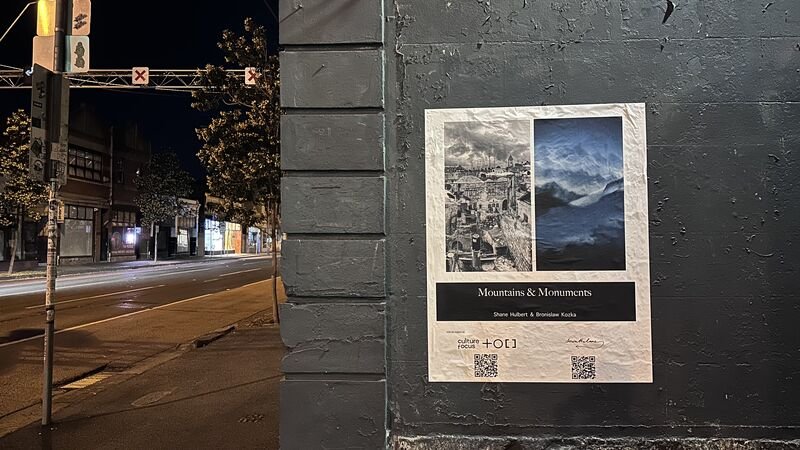
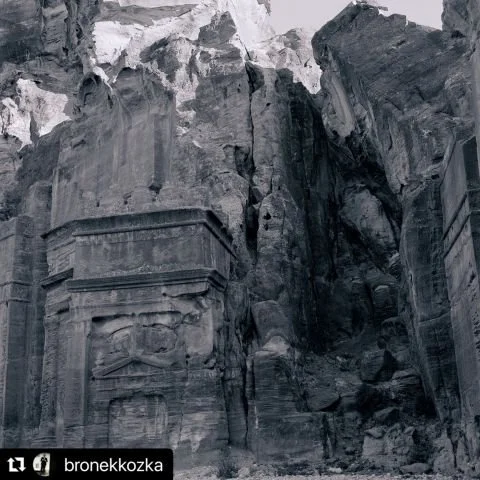
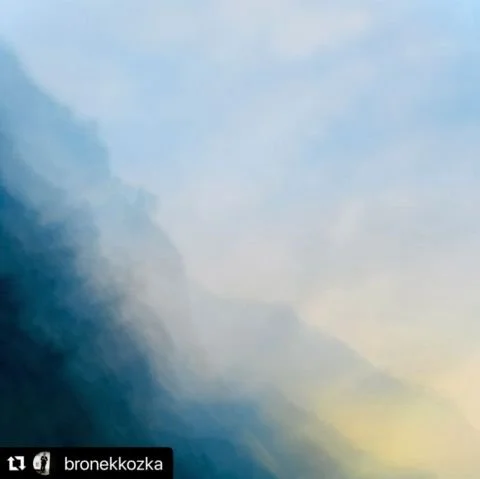
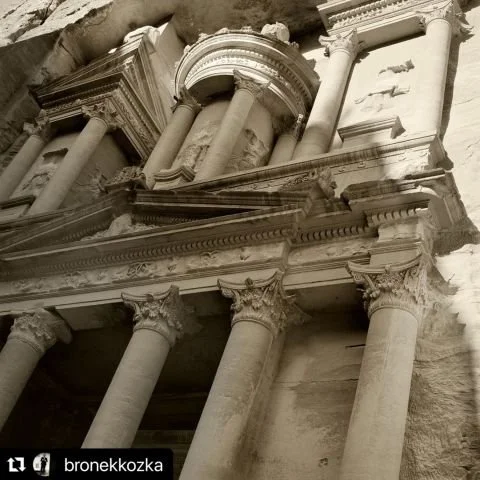
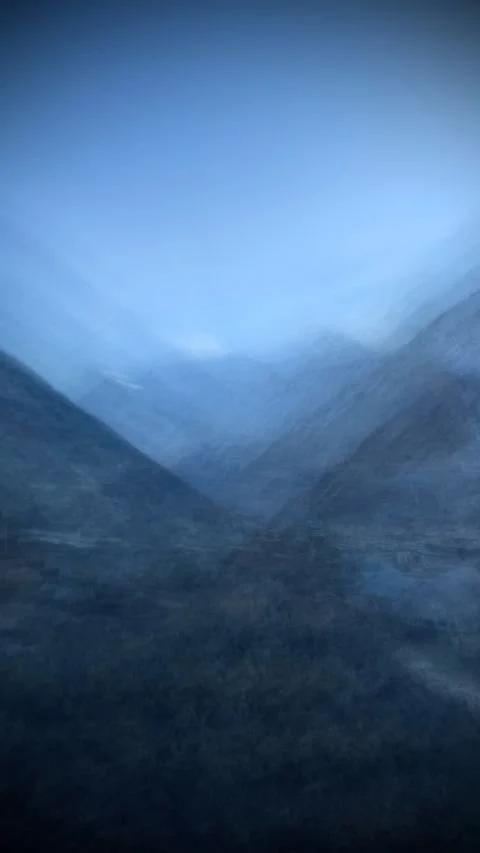
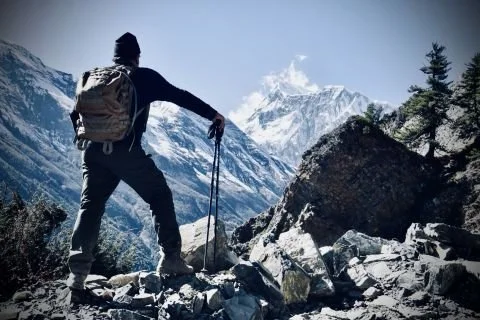
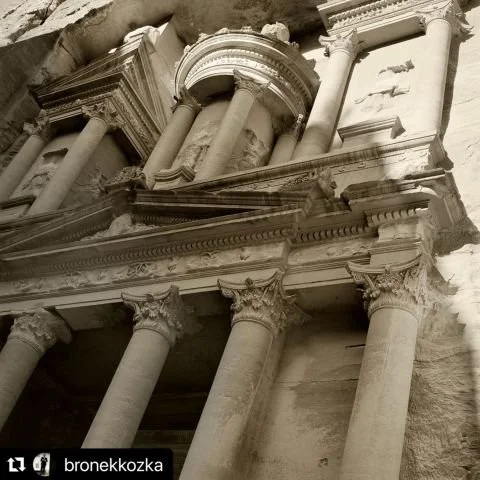
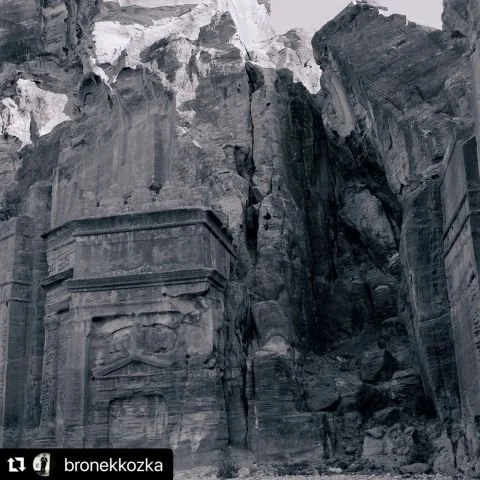
"Mountains & Monuments" exhibition is just around the corner!
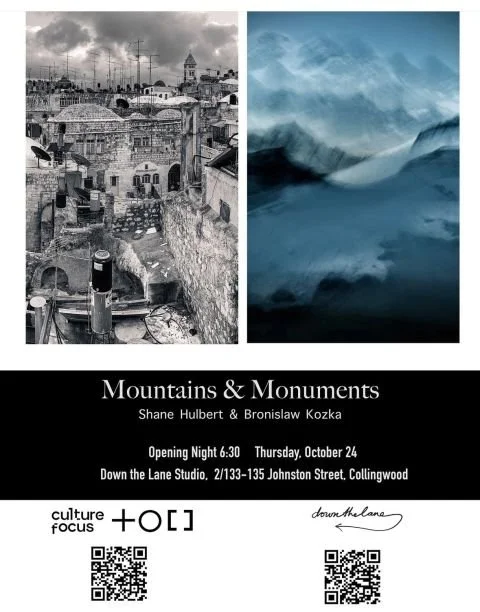
"Mountains & Monuments" exhibition is just around the corner! Join us as we explore the landscapes and histories of ancient worlds through the lenses of myself and Shane Hulbert. Opening night at 6 PM, October 24th at…
Join us as we explore the landscapes and histories of ancient worlds through the lenses of myself and Shane Hulbert. Opening night at 6 PM, October 24th at Down the Lane Studio, Collingwood. Don't miss this visual journey through time and place!
📅 Event Details
🗓️ Thursday, October 24
📍 Down the Lane Studio, 2/133-135 Johnston Street, Collingwood
Exciting News for Art Lovers!
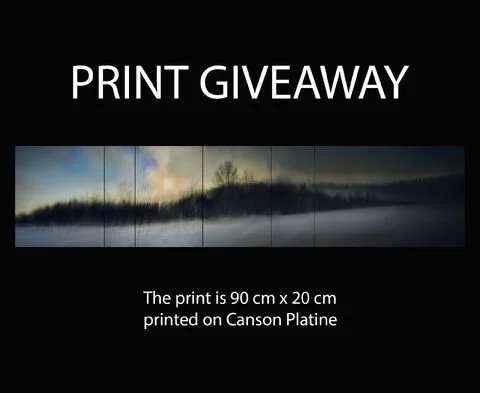
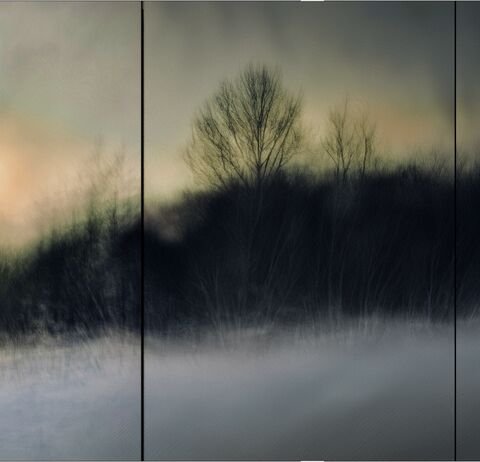
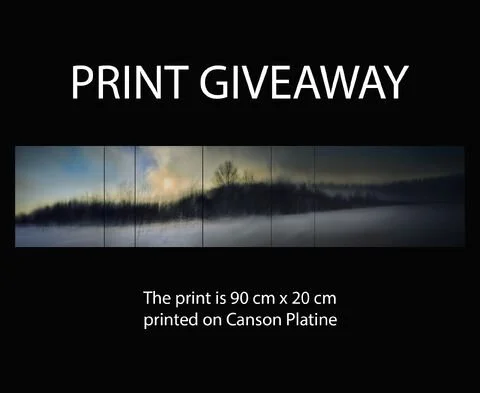
Exciting News for Art Lovers! I'm announcing a special Print Giveaway on my Instagram, featuring one of my latest works, The Winter Sun. This piece captures the serene beauty of a snowy January in Japan, drawing…
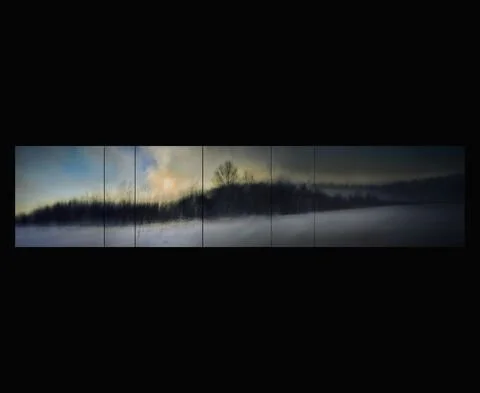
I'm announcing a special Print Giveaway on my Instagram, featuring one of my latest works, The Winter Sun. This piece captures the serene beauty of a snowy January in Japan, drawing inspiration from Ryōkan’s poetry and reflecting themes of memory, nature, and contemplation.
This is not just a print; it’s a layered photographic composition where memory, perception, and imagination intertwine. Printed on Canson Platine at 90 cm x 20 cm, this artwork can become a unique addition to your collection.
Want to enter the giveaway?
Here's how:
➡️ Follow me on Instagram: @bronekkozka
➡️ Like the giveaway post.
➡️ Tag a friend in the comments (more tags = more chances!).
➡️ (Optional) Share the post to your story for an extra entry.
I'll be selecting a winner in 5 days and shipping this exclusive print directly to the lucky recipient.
If you're passionate about art, photography, or just love exploring new creative works, this is a great chance to own a piece of my work. Head over to my Instagram and join the fun!
Looking forward to seeing you there! 🙌
I am delighted to announce that I have been selected for a prestigious residency…
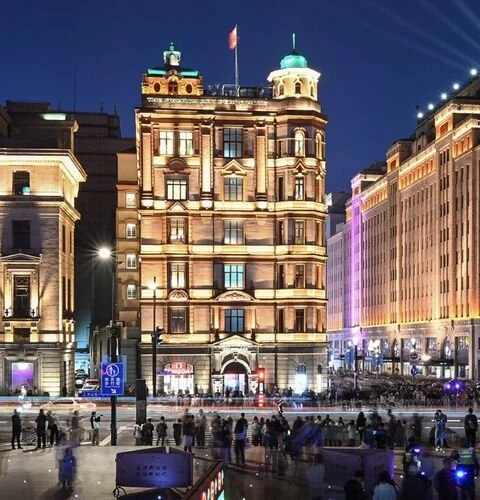
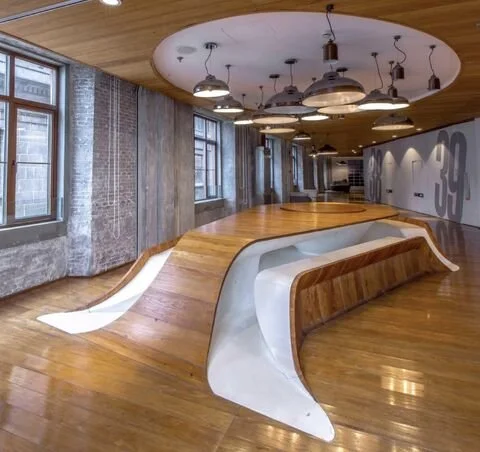
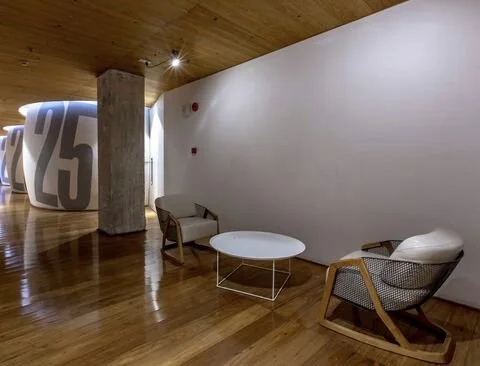
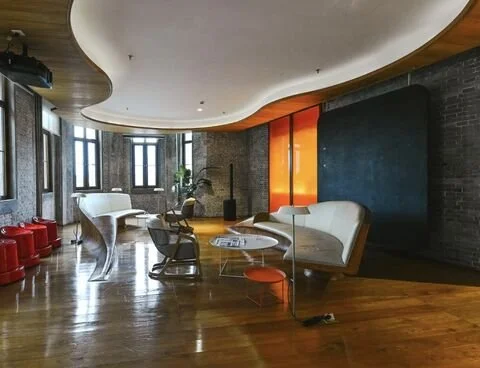
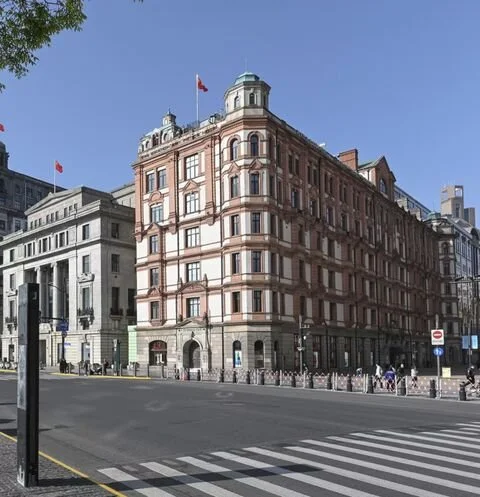
I am delighted to announce that I have been selected for a prestigious residency at the Swatch Art Peace Hotel in Shanghai, running from March to June, 2025. This residency provides an extraordinary platform for…
I am delighted to announce that I have been selected for a prestigious residency at the Swatch Art Peace Hotel in Shanghai, running from March to June, 2025. This residency provides an extraordinary platform for creative exchange, bringing together artists from diverse disciplines across the globe to live and work in one of the world’s most dynamic cities.
During my residency, I will further develop my project “Dialogue: In Conversation with Nature”, which explores the relationship between urban green spaces and human well-being. This project will take place in Shanghai’s unique urban setting, where I will create new works that reflect the harmony and tension between city life and nature’s quiet sanctuaries. The residency offers an inspiring environment for reflection and artistic growth, with individual studios, collaborative opportunities, and the chance to immerse myself in the vibrant local art scene.
The Swatch Art Peace Hotel residency has a legacy of fostering creativity, encouraging collaboration, and pushing boundaries in contemporary art. Artists are invited to leave a "trace" of their experience, which may take any form and will be showcased as part of the Swatch Art Peace Hotel’s ongoing artistic narrative
I look forward to sharing the outcomes of this exciting opportunity with both the local and international community, furthering dialogue on the role of nature in urban spaces through photography, installations, and public workshops.

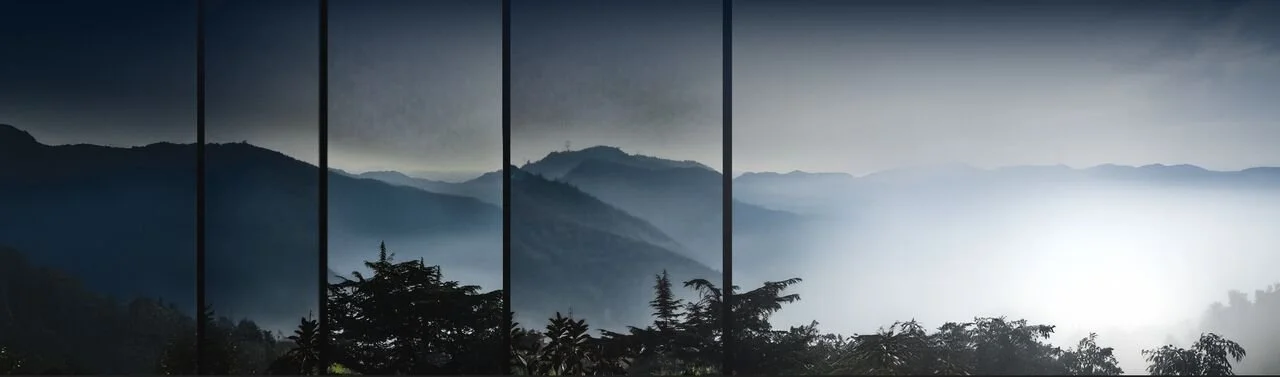
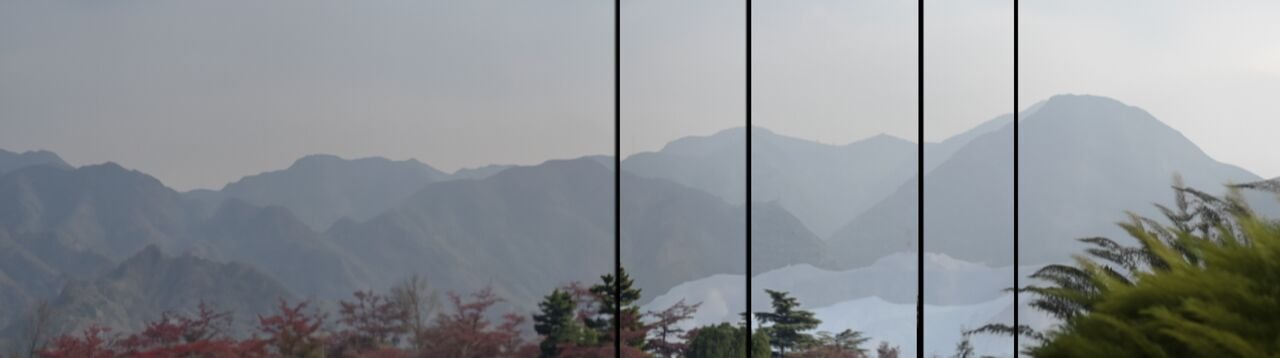

Spending time in one of Melbourne's beautiful parks, I was reminded of the…
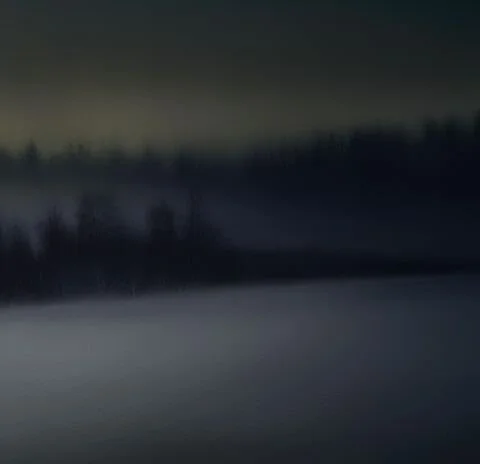
Spending time in one of Melbourne's beautiful parks, I was reminded of the profound importance of natural spaces within urban centres. These areas provide a sanctuary where individuals can reconnect with nature,…
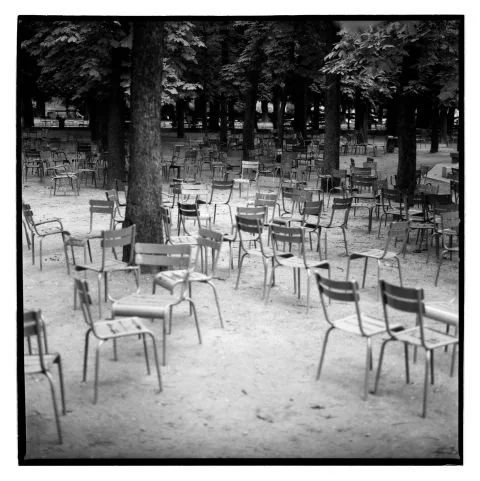
Spending time in one of Melbourne's beautiful parks, I was reminded of the profound importance of natural spaces within urban centres. These areas provide a sanctuary where individuals can reconnect with nature, stepping away from the city's relentless pace. In my research, I have been exploring how these green spaces offer more than just aesthetic value; they are vital for mental and emotional well-being, fostering moments of reflection and peace amidst urban life.
Green spaces are increasingly recognised as essential in cities, serving as a counterbalance to the artificial environments that dominate our daily lives. Through photography, such as in my recent work, I attempt to capture the serene beauty of these spaces, portraying them as places where people can find a sense of calm and reconnection with the natural world. These areas are not merely a retreat but are central to the urban ecosystem, supporting biodiversity and offering city dwellers an essential link to the environment
As urban centres expand, the preservation of parks and natural spaces becomes ever more critical. They act as pockets of resilience, reminding us of the need to maintain a connection with nature for our physical and psychological health. In capturing these moments, my work continues to explore the sublime, highlighting the necessity of such spaces in our increasingly hectic lives. Although these pieces may not directly form part of a larger body of work, they remain integral to my ongoing research into how nature shapes our urban experience.