
I’m pleased to share the completion of my Garden Series
I’m pleased to share the completion of my Garden Series. Late last year, two works from the series, Tawanda in the Garden and To Be Held by the Garden, were exhibited at West Bund Art Fair in Shanghai. I’ve now…
I’m pleased to share the completion of my Garden Series. Late last year, two works from the series, Tawanda in the Garden and To Be Held by the Garden, were exhibited at West Bund Art Fair in Shanghai. I’ve now completed the remaining five works, bringing the series to its conclusion.
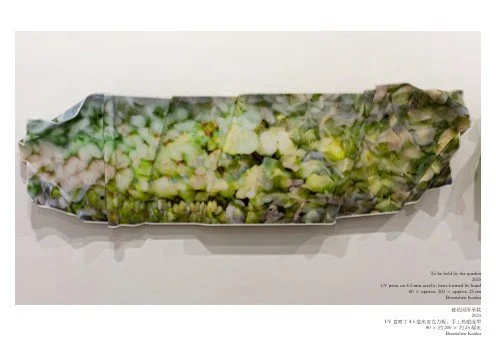
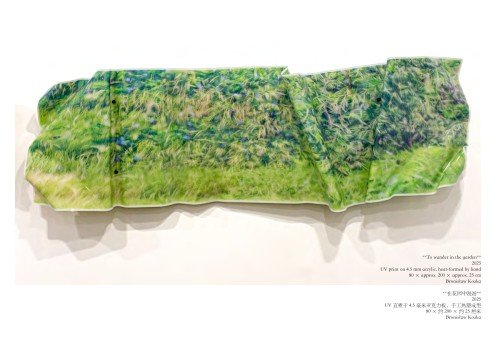
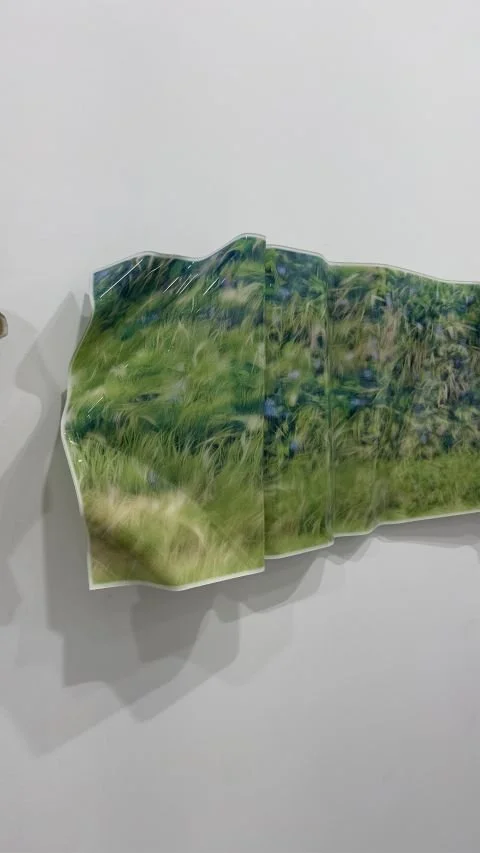
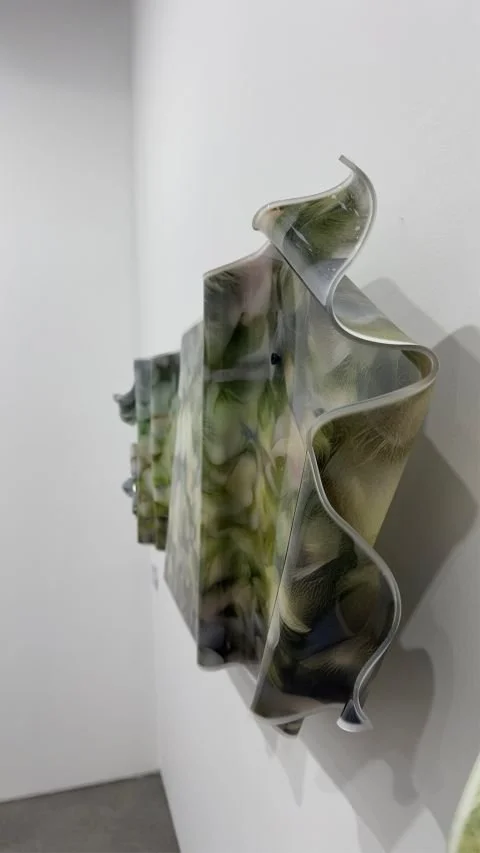
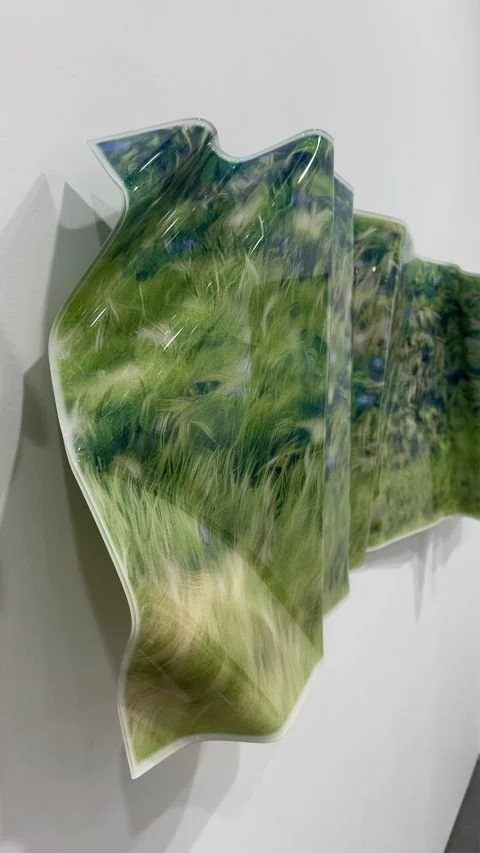
The Garden Series is a body of photo-sculptural works that sits between photography and sculpture. Each piece combines UV-printed photographic imagery with formed acrylic. The photographs were made during my residency in Shanghai, then printed directly onto acrylic sheets and hand-sculpted using heat-forming techniques. This process shifts the image from a flat surface into a three-dimensional form that catches light, produces shadow, and asks the viewer to move around it.
My broader practice explores the meeting point of nature, technology, and artificial environments, and how memory is shaped through contemporary image-making. I work on site using an “Origin Image” approach, completing images in direct dialogue with place through walking, scanning, and sustained attention. Alongside high-end digital capture, I use LiDAR and computational processes, and I treat AI as a generative collaborator rather than a simple tool. The resulting works often hold multiple registers at once: photographic description, spatial trace, and machine inference. I think of these accumulations as digital sediments, where human experience and non-human processes leave visible residue.
Conceptually, the work is informed by shanshui as a way of thinking with landscape, but it is not confined to that lineage. I’m interested in the digital sublime and in the contemporary experience of landscape as something simultaneously physical and mediated, intimate and infrastructural.
With the Garden Series now complete, I’m looking ahead to exhibition contexts where photography can expand into objecthood and installation, and where landscape is encountered not as a view, but as a physical presence in space.
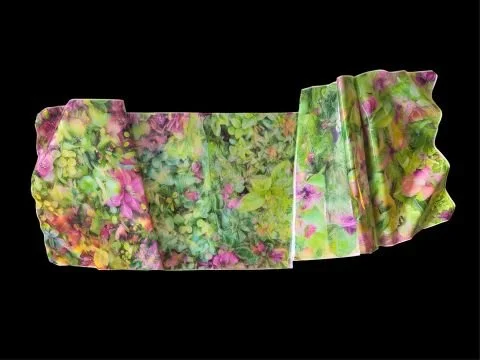
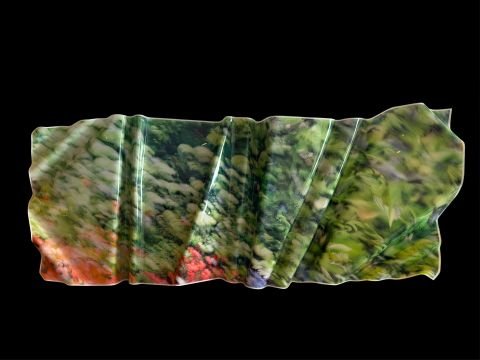
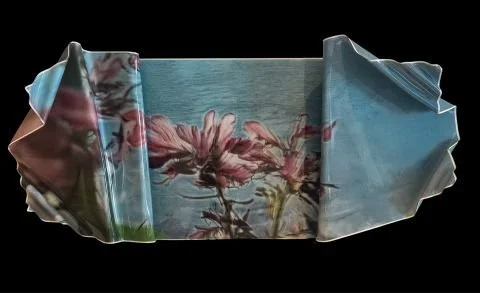
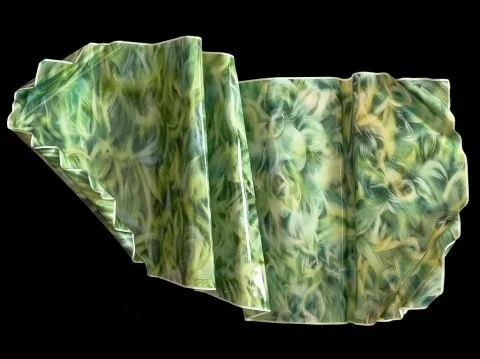
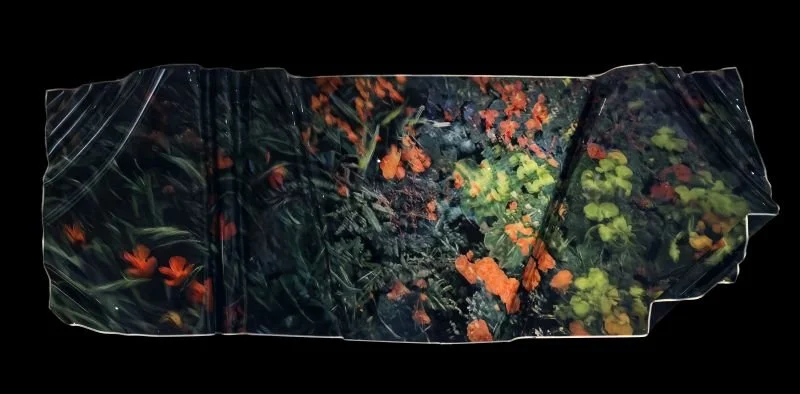
Behind the scenes: exploring new forms, old gardens, and the spaces where memory…
Behind the scenes: exploring new forms, old gardens, and the spaces where memory, technology, and intuition converge. These early studies mark the beginning of a collaboration with Han—an artist whose perspective…
Behind the scenes: exploring new forms, old gardens, and the spaces where memory, technology, and intuition converge. These early studies mark the beginning of a collaboration with Han—an artist whose perspective continually challenges and inspires me.
We’re working between continents, between languages, and between traditions. The result? Something that blurs the boundaries of photography, sculpture, and poetic narrative. This project is rooted in the experience of place, but it’s as much about dialogue—between East and West, analogue and digital, past and possible futures.
More to come as this journey unfolds.
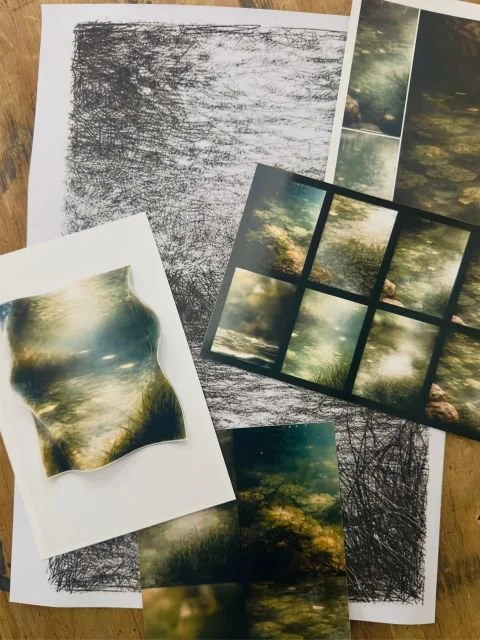
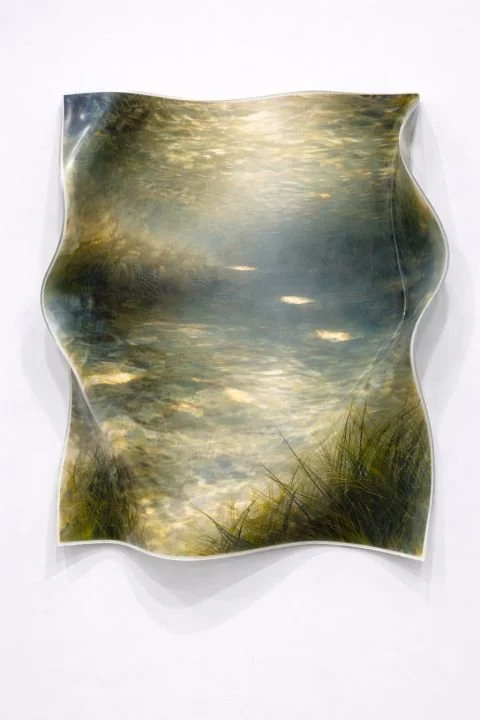
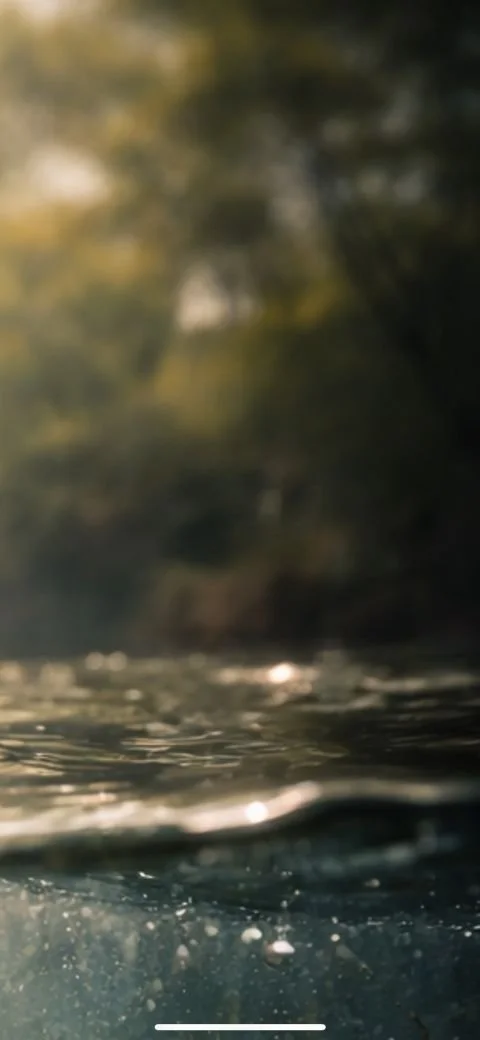
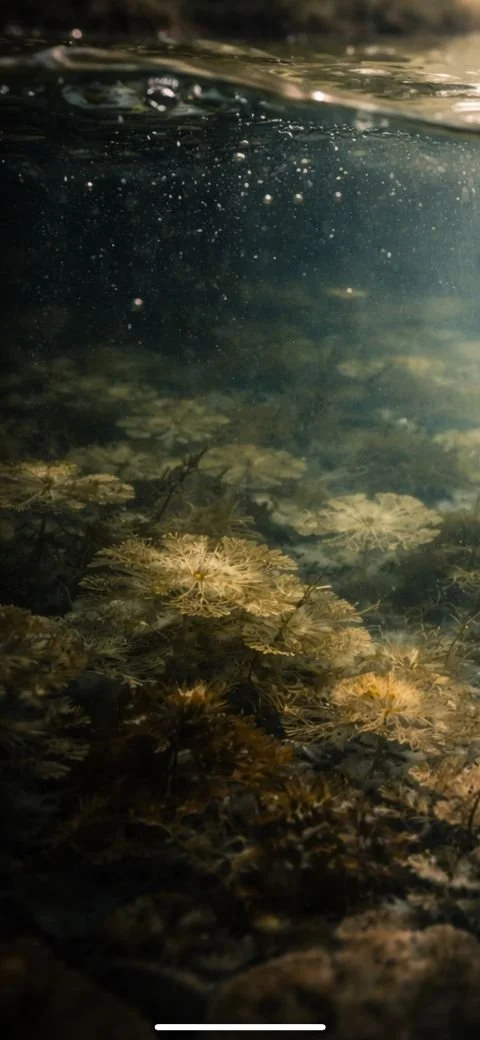
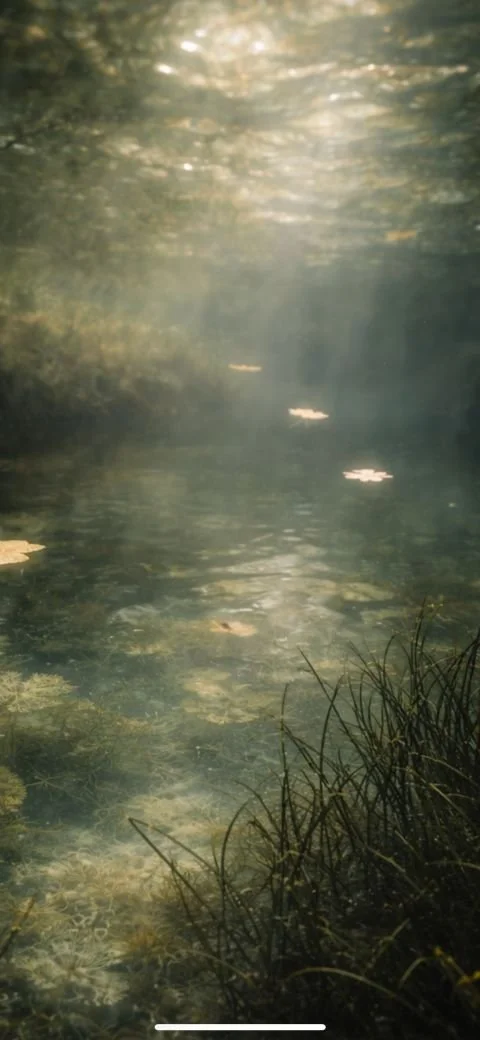
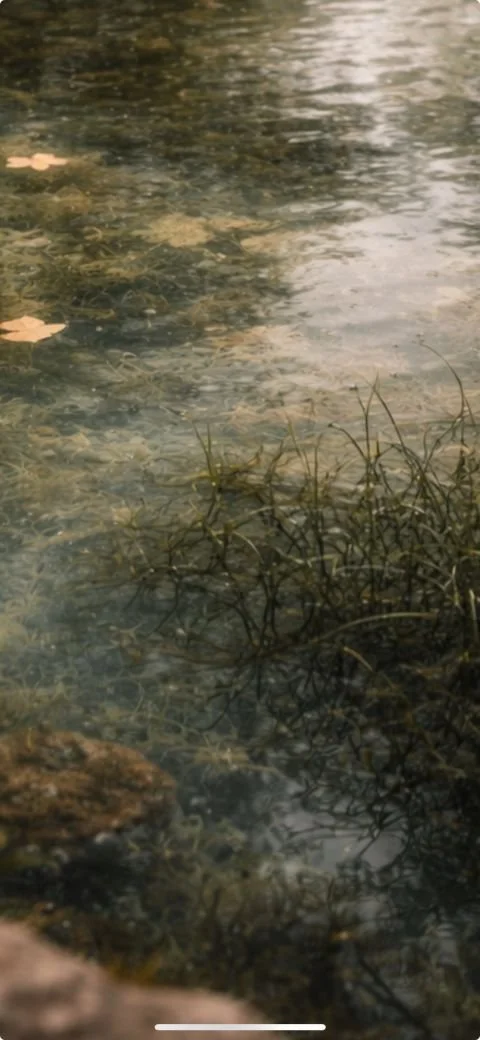
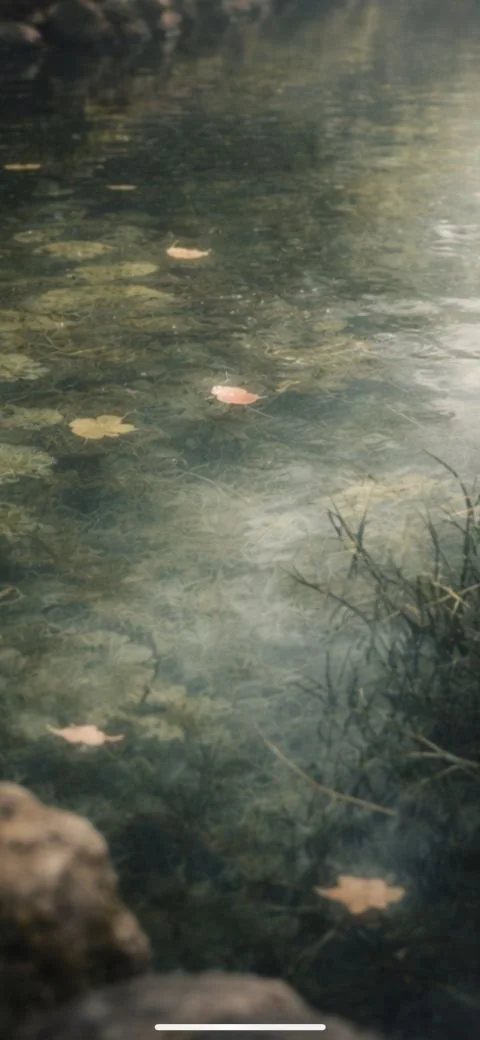
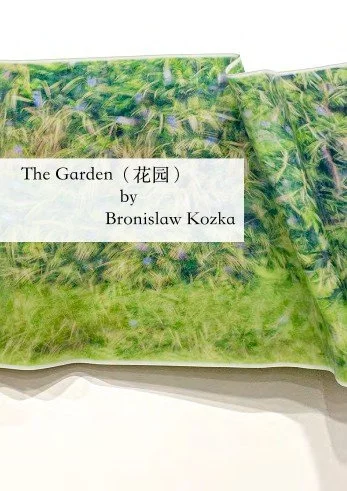
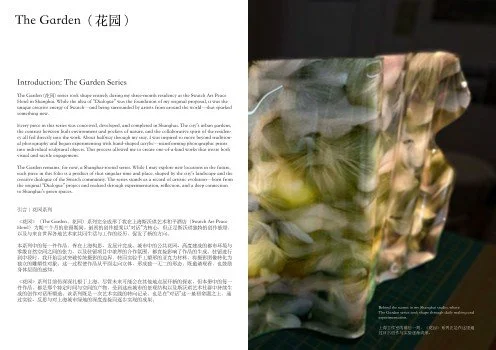
I’ve just uploaded a new project PDF for The Garden, an ongoing body of work…
I’ve just uploaded a new project PDF for The Garden, an ongoing body of work developed between Shanghai and Melbourne. The Garden brings photography, sculpture, and digital methodologies into dialogue to explore how…
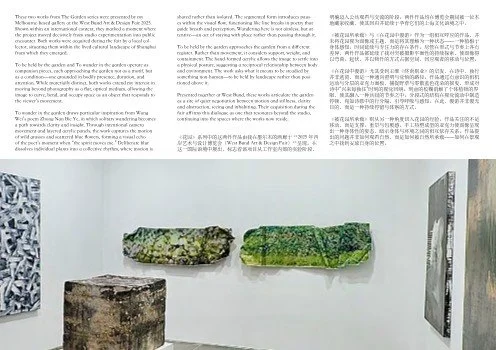
I’ve just uploaded a new project PDF for The Garden, an ongoing body of work developed between Shanghai and Melbourne.
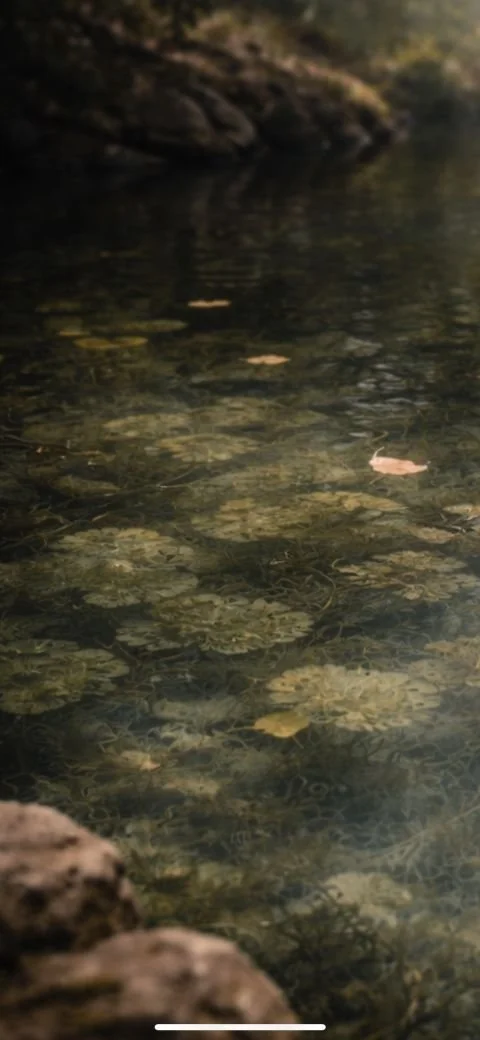
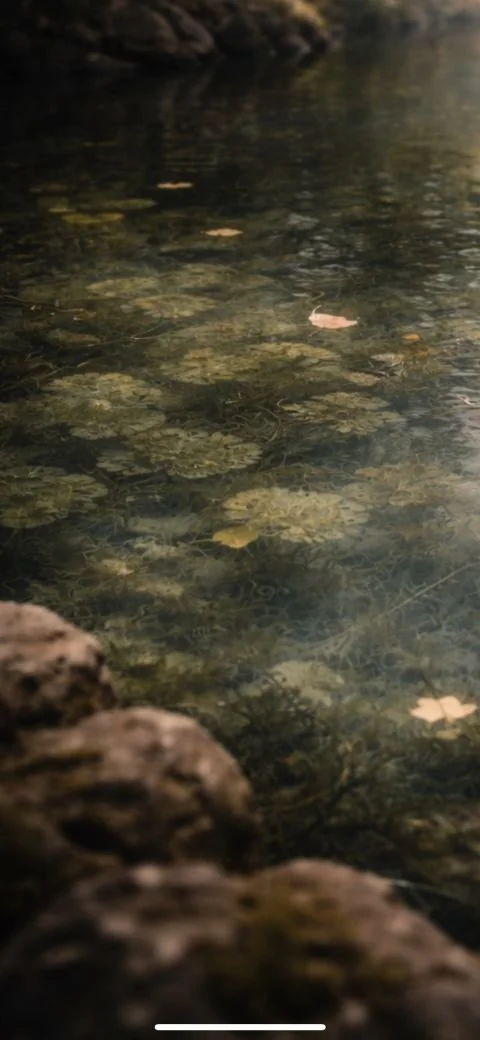
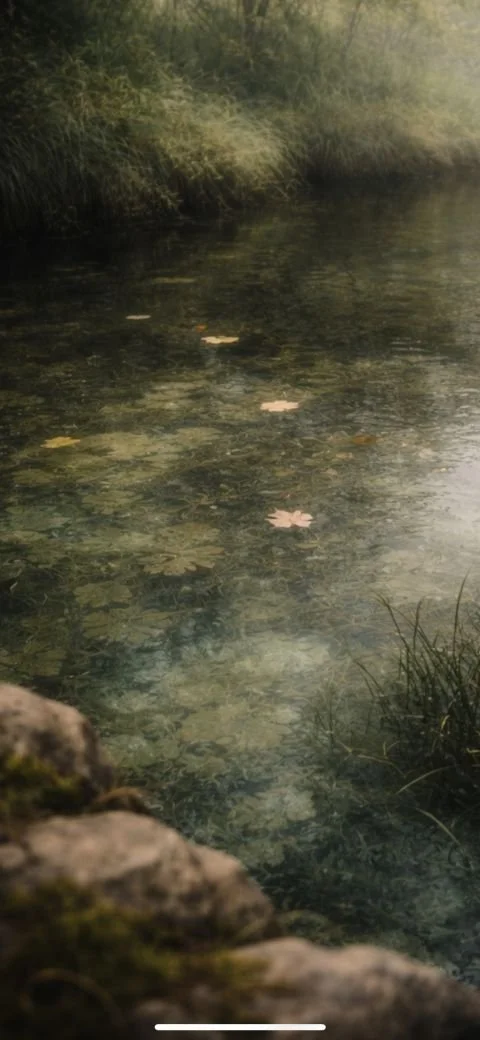
The Garden brings photography, sculpture, and digital methodologies into dialogue to explore how landscape is encountered through the body rather than represented at a distance. Beginning with what I call an Origin Image—photographs made entirely on site through slow movement and sustained attention—the works evolve through AI collaboration, UV printing, and hand heat-forming acrylic. Material, heat, gravity, and resistance play an active role in shaping each final form.
Rather than treating the garden as a motif, the project approaches it as a condition: something inhabited, negotiated, and felt over time. Across the series, different experiential states emerge—being held, wandering, floating, falling, longing—each reflecting a distinct mode of relation to place. Influences range from shanshui philosophy and Daoist ideas of yielding, to phenomenological approaches to perception and contemporary material practice.
The PDF brings together contextual writing, bilingual texts, work documentation, and a short academic essay situating the project within current critical discourse. Works from the series were recently presented at the West Bund Art & Design Fair in Shanghai, where key pieces were acquired by local collectors.
If you’re interested, the full project PDF is available via the link below.
I came across this excellent article from CHART Journal on why and how companies…
I came across this excellent article from CHART Journal on why and how companies should start collecting art, and it’s well worth a read. What it does particularly well is cut through the usual fluff around “art as…
I came across this excellent article from CHART Journal on why and how companies should start collecting art, and it’s well worth a read.
What it does particularly well is cut through the usual fluff around “art as investment” and instead focus on what actually matters.
A few key takeaways:
• Corporate art collections are about identity, not decoration.
Art shapes how a company is perceived internally and externally. It signals values, ambition, and cultural literacy far more clearly than branding statements on a wall.
• The strongest collections are values-led.
Before buying anything, companies should be clear on why they’re collecting and what kind of voices they want to support. That clarity makes the collection coherent rather than random.
• Emerging artists matter.
Supporting artists early in their careers isn’t just culturally responsible, it’s often where the most relevant and challenging work is happening.
• Art should work with people, not intimidate them.
Thoughtful placement, rotation, and staff engagement turns art into a lived part of the workplace rather than a distant asset.
• This is not about speculation.
The article is refreshingly direct in stating that financial return should never be the primary motivation. Cultural, social, and human value come first.
If you’re part of a business, institution, or organisation thinking about starting (or refining) a corporate collection, this is a genuinely useful, grounded read.
Highly recommended.
Quanzhou, 3rd Huaguang International Image Biennial
Quanzhou, 3rd Huaguang International Image Biennial. I'm presenting two curated exhibitions alongside my own work. The first features Michael Jalaru Torres—a Djugun–Yawuru photographic artist from Broome whose abstract…
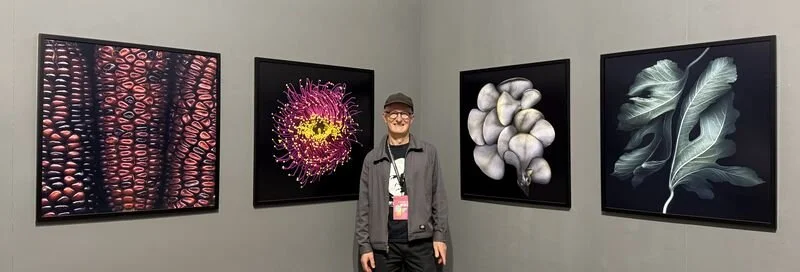
I'm presenting two curated exhibitions alongside my own work. The first features Michael Jalaru Torres—a Djugun–Yawuru photographic artist from Broome whose abstract landscape work renders sky and Country as bands and blocks of colour. Minimal horizon. Liyan (spirit), memory and history carried in the image rather than scenery. His visual language is graphically controlled, politically direct, and rooted in Indigenous history and survival. The second showcases Greg Elms, a Melbourne-based artist working at the intersection of visual pleasure, scientific curiosity and environmental fragility. His practice moves between commercial work and slower, research-led investigations into transience, preservation and the nexus between art and science.
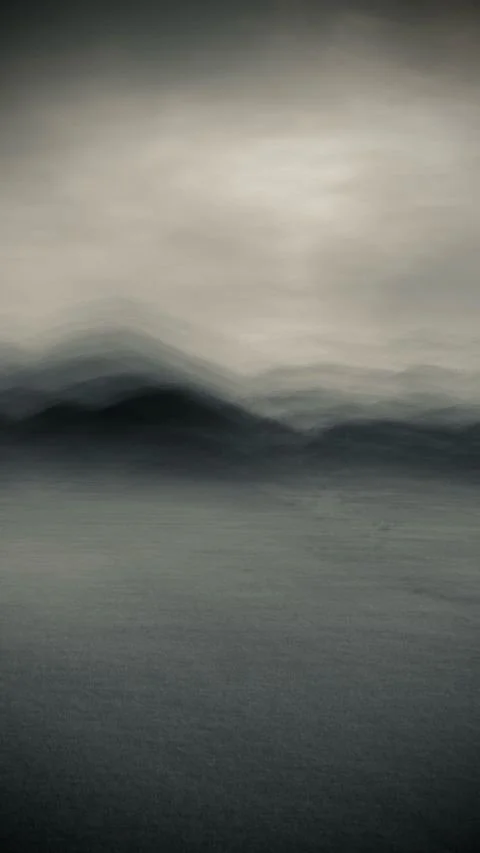
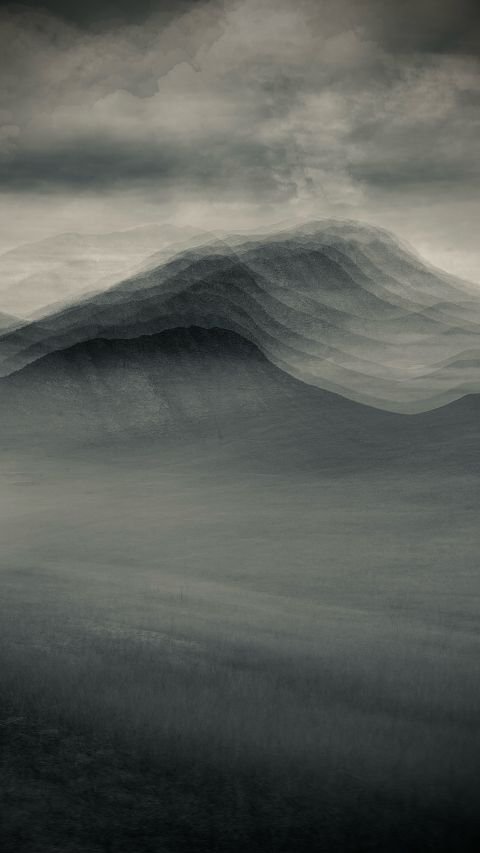
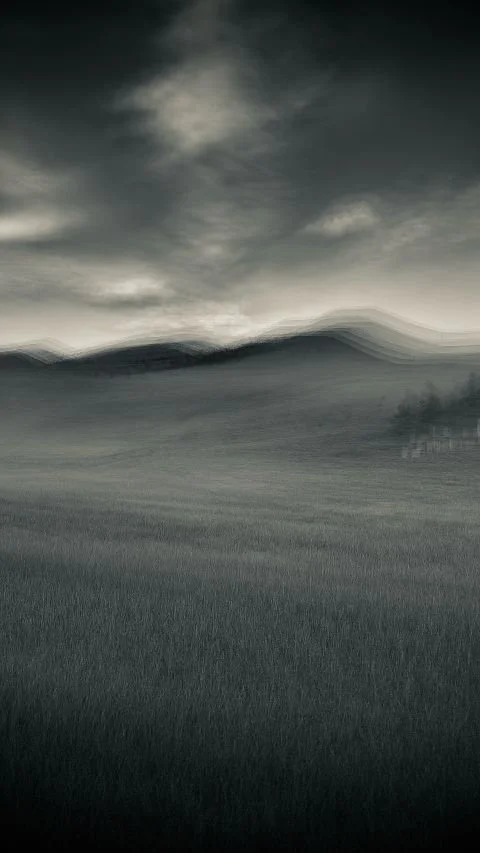
The Huaguang International Image Biennial is a museum-based festival that brings together photographic and visual work from across China and the globe. It's a space for institutional discourse, pedagogy, and research—where methods, process and conceptual rigour are foregrounded. Alongside this, I'm presenting Selenge: Threshold and Breath—a monochromatic series from Mongolia created through computational photography and my Origin Image methodology. No AI expansion, no LiDAR. Pure photographic presence and layered atmospherics.
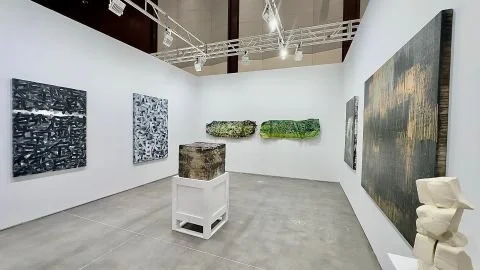
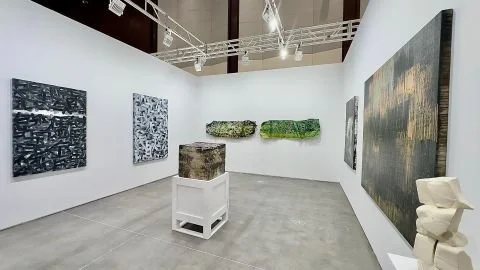
This is my fifth trip to China this year. It's involved art and photography festivals—Pingyao, Future Art Festival Beijing, now Quanzhou. But this year I also participated in West Bund Art & Design as an artist represented by Australian gallery ACAE. West Bund is one of the largest and most important art fairs in China and sits at the heart of the contemporary art market. The art fair operates on entirely different logic than the festival: it's compressed, market-facing, collector-driven. Yet both are essential. For an artist like myself, the integration between them is crucial—the work is tested and discussed in institutional contexts, then circulates through the market without losing its conceptual spine. The photosculptures shown at West Bund were acquired by a local collector, which signals that research-driven work can function in both ecosystems simultaneously.
What's building here is something slower and more deliberate: genuine relationships with curators, artists, institutions and collectors across China. This isn't transactional. It's based on repeated presence, real collaboration, and a commitment to the work itself. That's where the real currency lies.
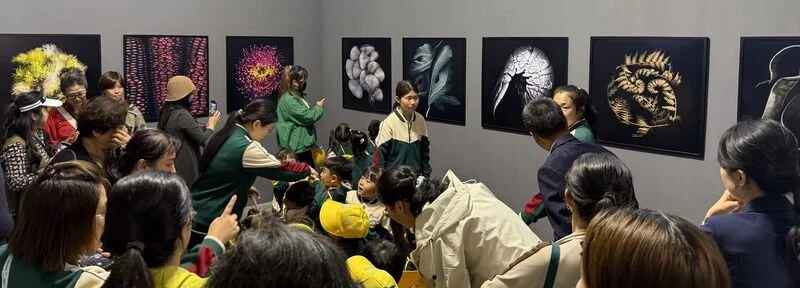
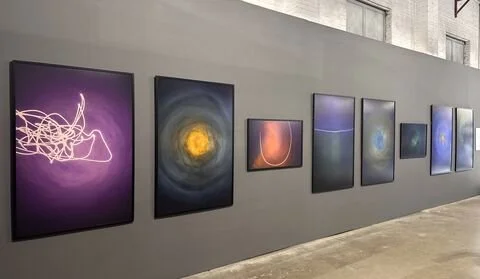
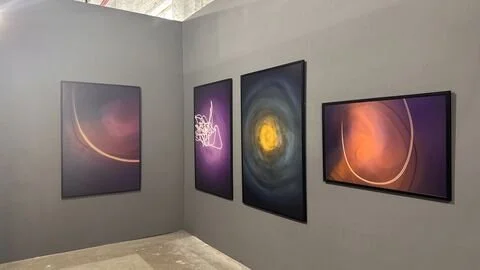
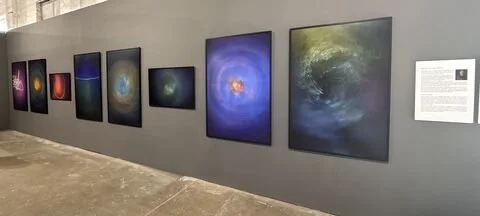
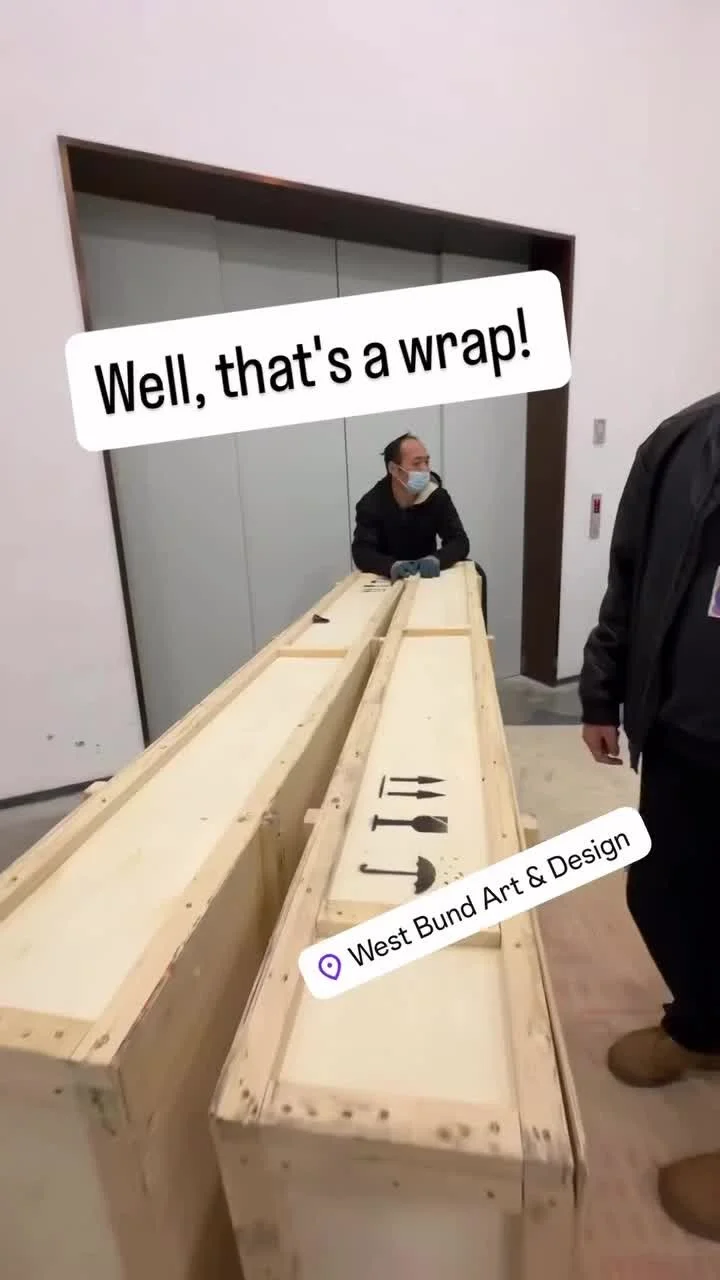
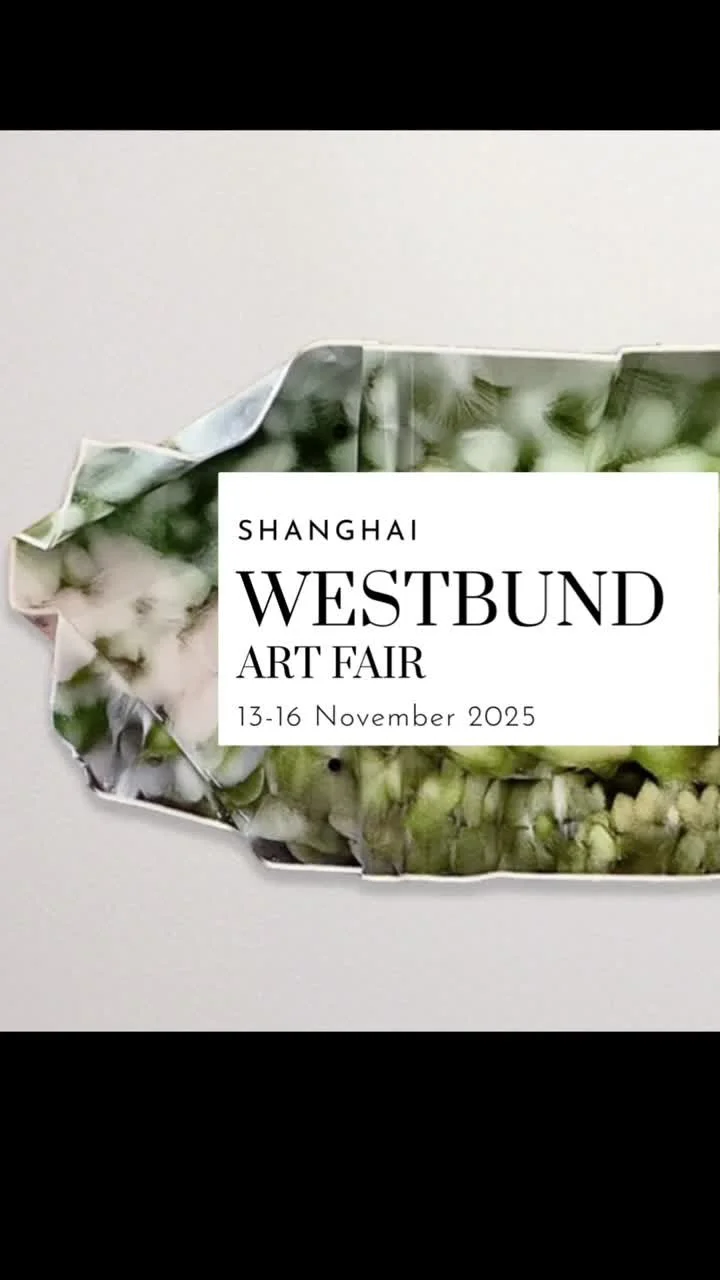
Well, that's a wrap on West Bund Art Fair
Well, that's a wrap on West Bund Art Fair. Both works have now been packed and delivered to their new home in Pudong. A huge thank you to ACAE Gallery, and to Andrew and Helen for backing the work and making this…
Both works have now been packed and delivered to their new home in Pudong.
A huge thank you to ACAE Gallery, and to Andrew and Helen for backing the work and making this possible. I'm genuinely grateful.
And to my Shanghai friends — thank you for showing up, for the support, and for making this city feel like a second home.
Most of all, thank you to my wonderful family. These trips to China are frequent, sometimes long, and never simple. Your support is the reason I can do any of this.
This post included a video. Watch it on LinkedIn.
The material behaviour of acrylic has become a central component of this body of work
The material behaviour of acrylic has become a central component of this body of work. During the Swatch residency I confronted its limits directly: uneven heating, localised scorching, surface collapse, and…
During the Swatch residency I confronted its limits directly: uneven heating, localised scorching, surface collapse, and unintentional distortions. These early failures were not incidental; they revealed the thresholds at which the material asserts its own conditions. Acrylic responds only to heat, time, and consistency. Any attempt to accelerate or override these factors simply produces damage.
By the time I commenced the Beijing studio phase, my approach had shifted. Rather than treating the sheet as an inert substrate awaiting manipulation, I began to engage with it as a material with agency. The work became a process of calibration — understanding how heat travels across the surface, how the internal structure relaxes, and identifying the precise moment at which the sheet becomes capable of controlled movement without compromising the embedded image.
This moment is narrow and cannot be forced. It requires extended observation, incremental adjustments, and a willingness to accept when the material will not yield. In that sense, the heat-forming stage unexpectedly echoed the initial act of image capture in the garden. Both demand attentiveness, patience, and a responsiveness to conditions that sit outside the artist’s control. The repetitive actions involved in gradually bringing the acrylic to temperature—combined with prolonged visual focus on the image itself—produce a form of embodied concentration that binds the two phases together.
The resulting objects are shaped, but not imposed upon. Their final forms emerge from a negotiation between intention and material behaviour. Each curvature reflects a dialogue between what the artist proposes and what the acrylic permits.
This post included a video. Watch it on LinkedIn.
These acrylic photosculptures began in the garden during my Swatch residency…
These acrylic photosculptures began in the garden during my Swatch residency — not as pictures, but as moments of observation. Small studies of breath, shadow and stillness. In Beijing, those fragments were pushed…
These acrylic photosculptures began in the garden during my Swatch residency — not as pictures, but as moments of observation. Small studies of breath, shadow and stillness. In Beijing, those fragments were pushed further in the studio: layered, re-worked, and hardened into acrylic until they became their own objects, holding both the image and the environment that shaped it.
Seeing them uncrated in Shanghai was a reminder of what this series is actually doing. The pieces don’t behave like photographs. They pull in the room, distort it, and fold it back into the original moment. They sit somewhere between landscape, memory, and interference — a kind of physical “trace” where the captured world and the present world collide inside the material.
This direction is new for my practice, but it feels honest. It extends the questions I’ve been working on for years: how an image carries time, how a surface can hold uncertainty, and how the natural world can be translated through materials that are anything but natural.
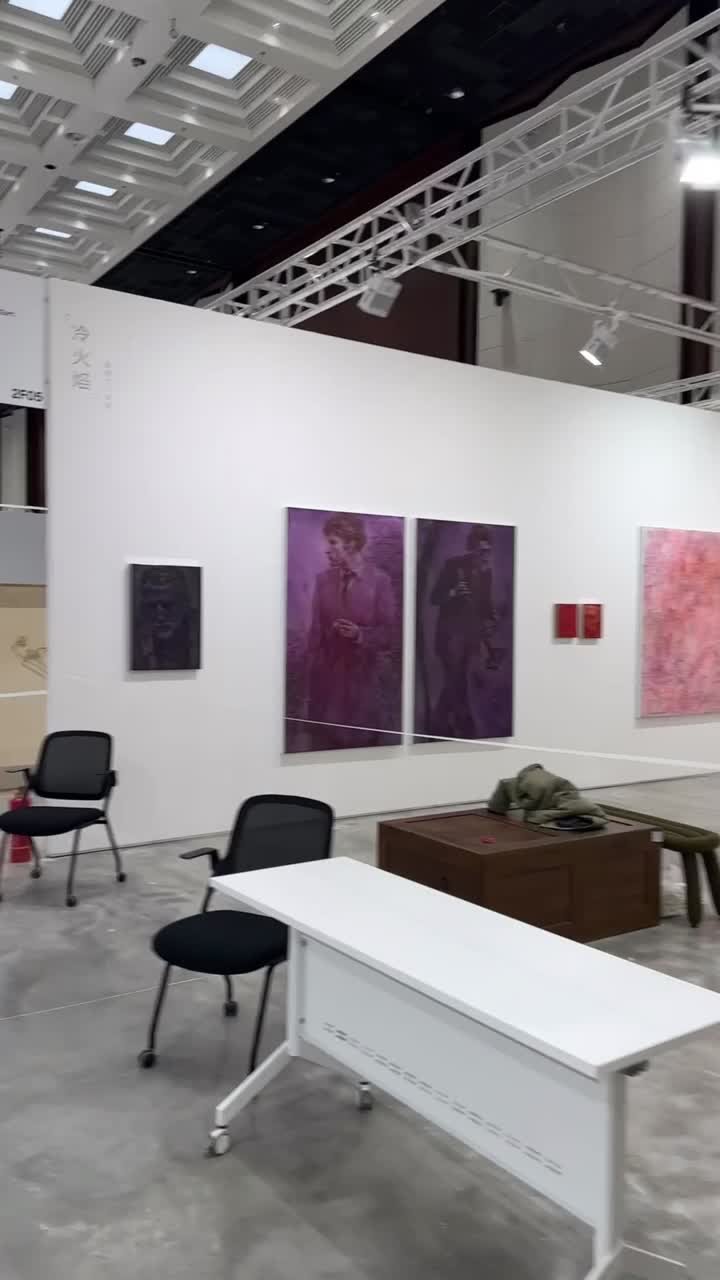
Thank you to the team for handling the works with real care and getting them safely into the space. The short video shows part of the install before the fair opened — a quiet moment before the noise.
This post included a video. Watch it on LinkedIn.