
The material behaviour of acrylic has become a central component of this body of work
During the Swatch residency I confronted its limits directly: uneven heating, localised scorching, surface collapse, and unintentional distortions. These early failures were not incidental; they revealed the thresholds at which the material asserts its own conditions. Acrylic responds only to heat, time, and consistency. Any attempt to accelerate or override these factors simply produces damage.
By the time I commenced the Beijing studio phase, my approach had shifted. Rather than treating the sheet as an inert substrate awaiting manipulation, I began to engage with it as a material with agency. The work became a process of calibration — understanding how heat travels across the surface, how the internal structure relaxes, and identifying the precise moment at which the sheet becomes capable of controlled movement without compromising the embedded image.
This moment is narrow and cannot be forced. It requires extended observation, incremental adjustments, and a willingness to accept when the material will not yield. In that sense, the heat-forming stage unexpectedly echoed the initial act of image capture in the garden. Both demand attentiveness, patience, and a responsiveness to conditions that sit outside the artist’s control. The repetitive actions involved in gradually bringing the acrylic to temperature—combined with prolonged visual focus on the image itself—produce a form of embodied concentration that binds the two phases together.
The resulting objects are shaped, but not imposed upon. Their final forms emerge from a negotiation between intention and material behaviour. Each curvature reflects a dialogue between what the artist proposes and what the acrylic permits.
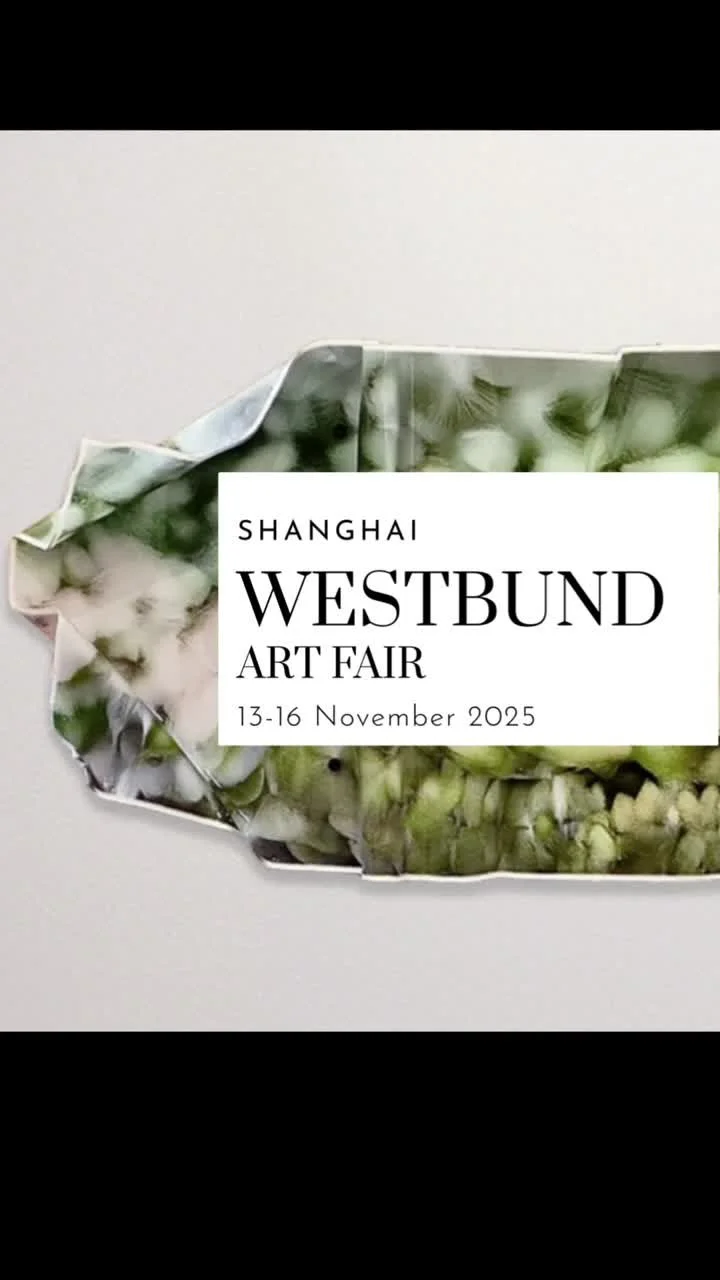
This post included a video. Watch it on LinkedIn.