Quanzhou, 3rd Huaguang International Image Biennial
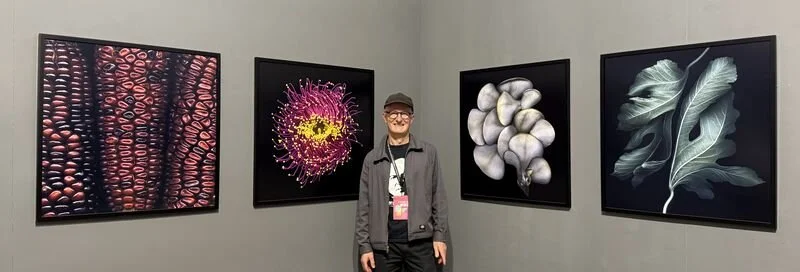
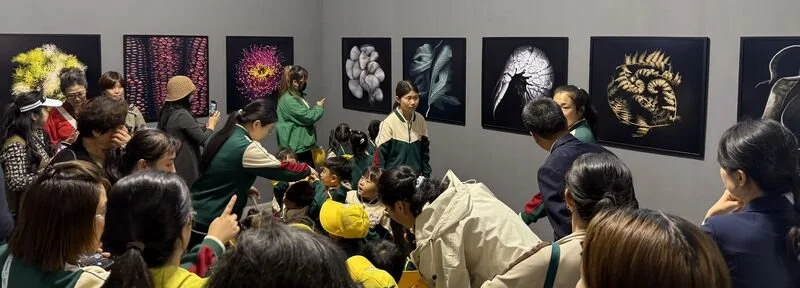
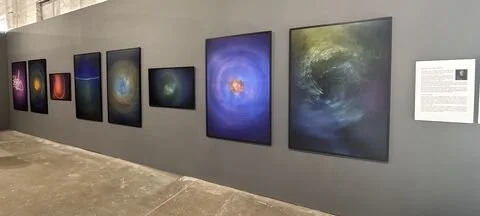
I'm presenting two curated exhibitions alongside my own work. The first features Michael Jalaru Torres—a Djugun–Yawuru photographic artist from Broome whose abstract landscape work renders sky and Country as bands and blocks of colour. Minimal horizon. Liyan (spirit), memory and history carried in the image rather than scenery. His visual language is graphically controlled, politically direct, and rooted in Indigenous history and survival. The second showcases Greg Elms, a Melbourne-based artist working at the intersection of visual pleasure, scientific curiosity and environmental fragility. His practice moves between commercial work and slower, research-led investigations into transience, preservation and the nexus between art and science.
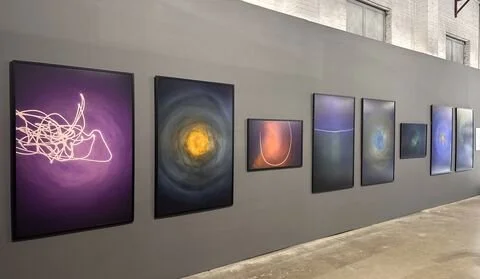
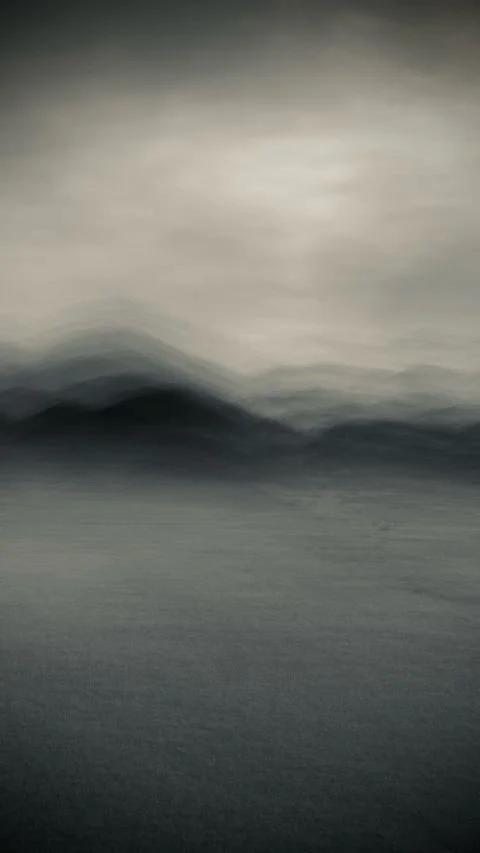
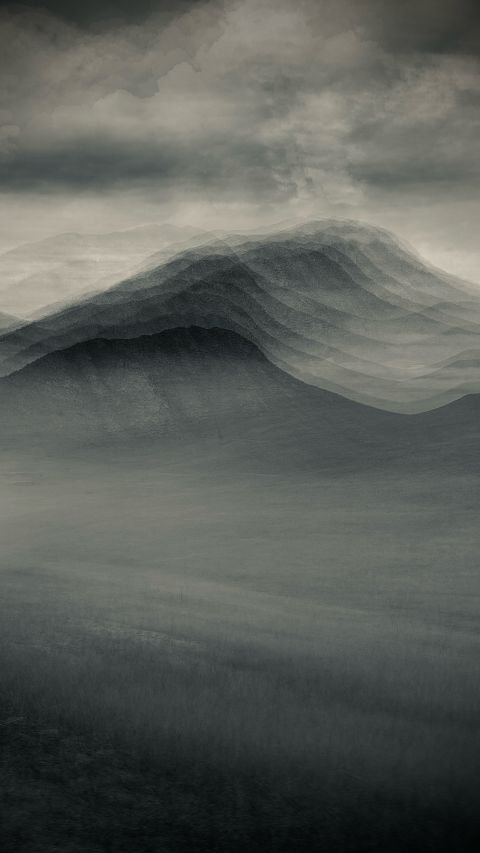
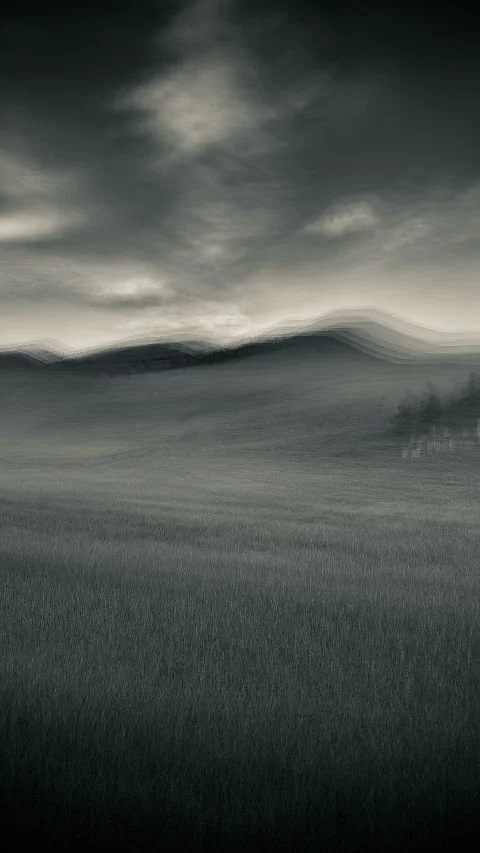
The Huaguang International Image Biennial is a museum-based festival that brings together photographic and visual work from across China and the globe. It's a space for institutional discourse, pedagogy, and research—where methods, process and conceptual rigour are foregrounded. Alongside this, I'm presenting Selenge: Threshold and Breath—a monochromatic series from Mongolia created through computational photography and my Origin Image methodology. No AI expansion, no LiDAR. Pure photographic presence and layered atmospherics.
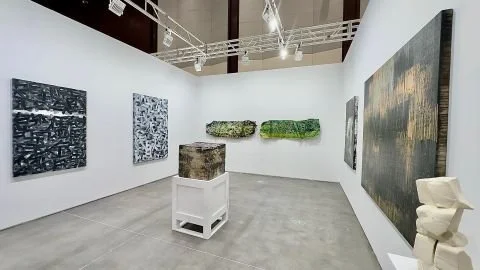
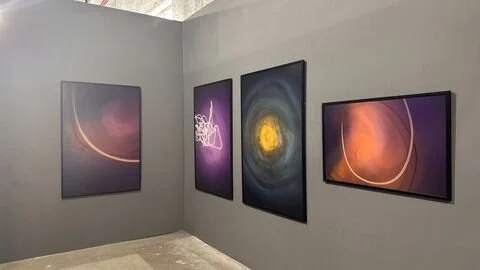
This is my fifth trip to China this year. It's involved art and photography festivals—Pingyao, Future Art Festival Beijing, now Quanzhou. But this year I also participated in West Bund Art & Design as an artist represented by Australian gallery ACAE. West Bund is one of the largest and most important art fairs in China and sits at the heart of the contemporary art market. The art fair operates on entirely different logic than the festival: it's compressed, market-facing, collector-driven. Yet both are essential. For an artist like myself, the integration between them is crucial—the work is tested and discussed in institutional contexts, then circulates through the market without losing its conceptual spine. The photosculptures shown at West Bund were acquired by a local collector, which signals that research-driven work can function in both ecosystems simultaneously.
What's building here is something slower and more deliberate: genuine relationships with curators, artists, institutions and collectors across China. This isn't transactional. It's based on repeated presence, real collaboration, and a commitment to the work itself. That's where the real currency lies.