Auckland Festival of Photography 2026, from 29 May to 18 June
Auckland Festival of Photography 2026, from 29 May to 18 June. The work was produced during an artist residency at Le Méridien Shimei Bay, Hainan, China — a period of sustained practice that allowed me to work across…
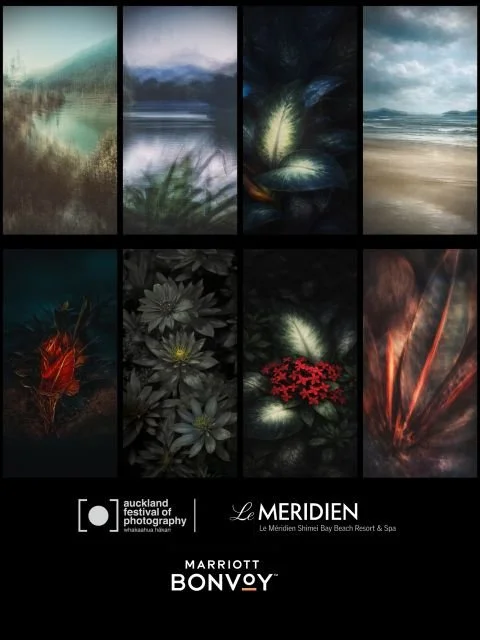
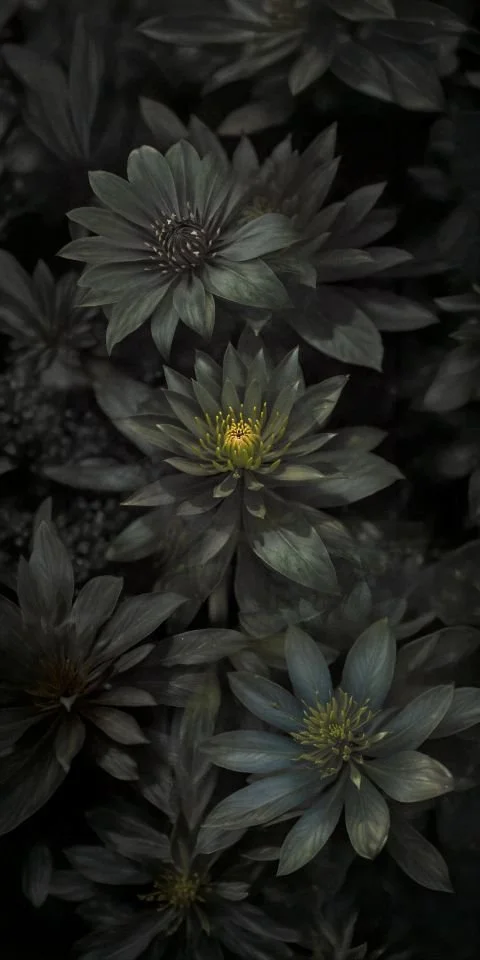
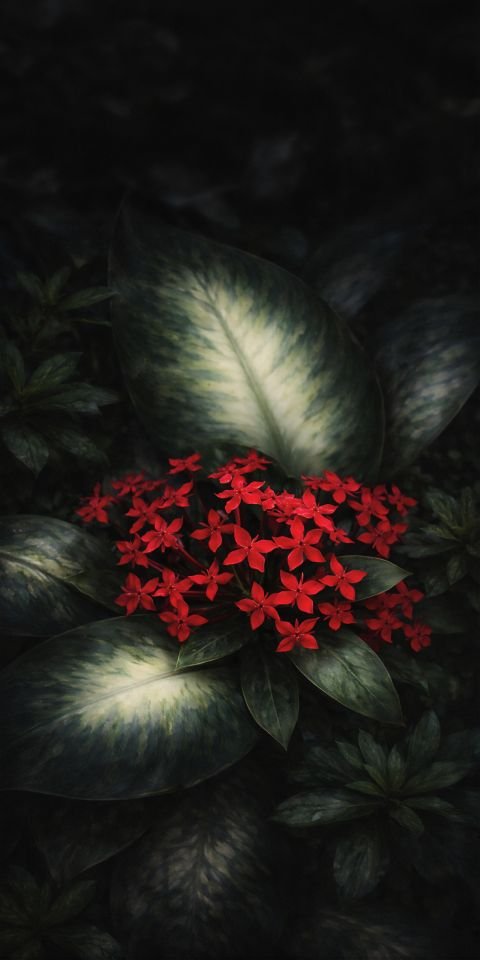
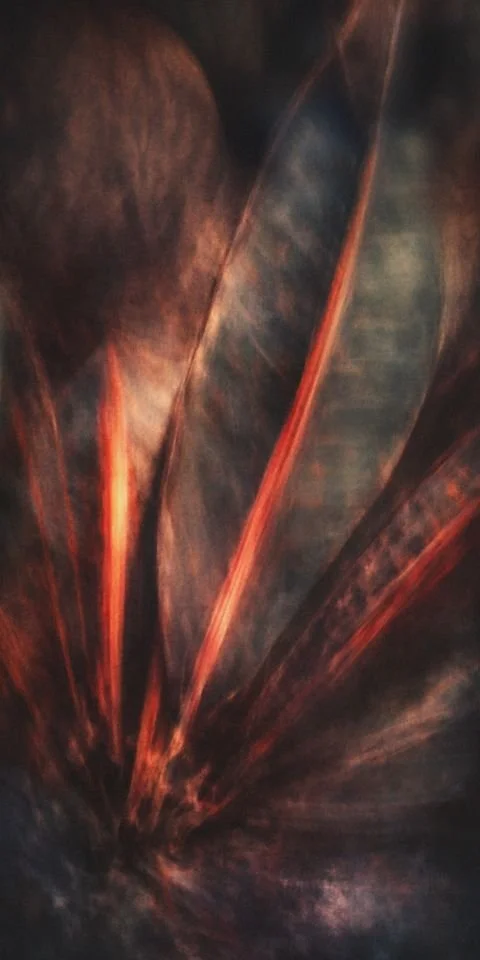
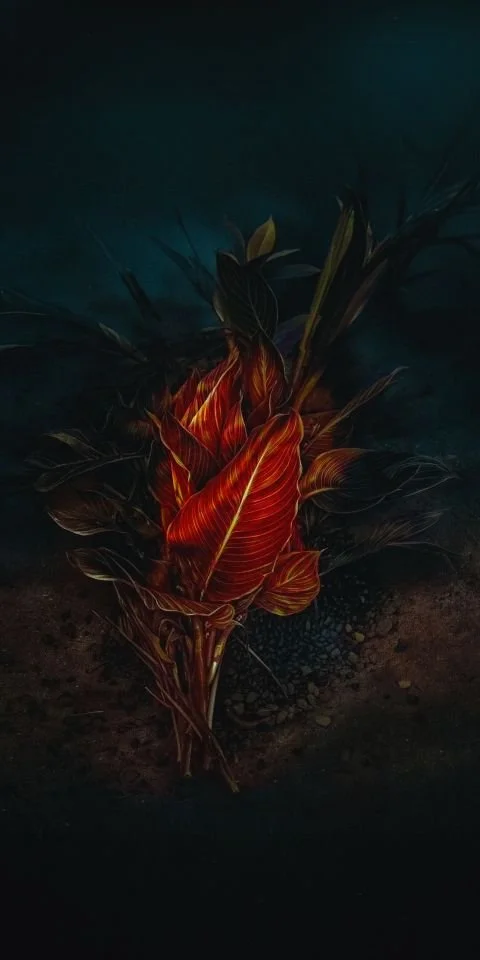
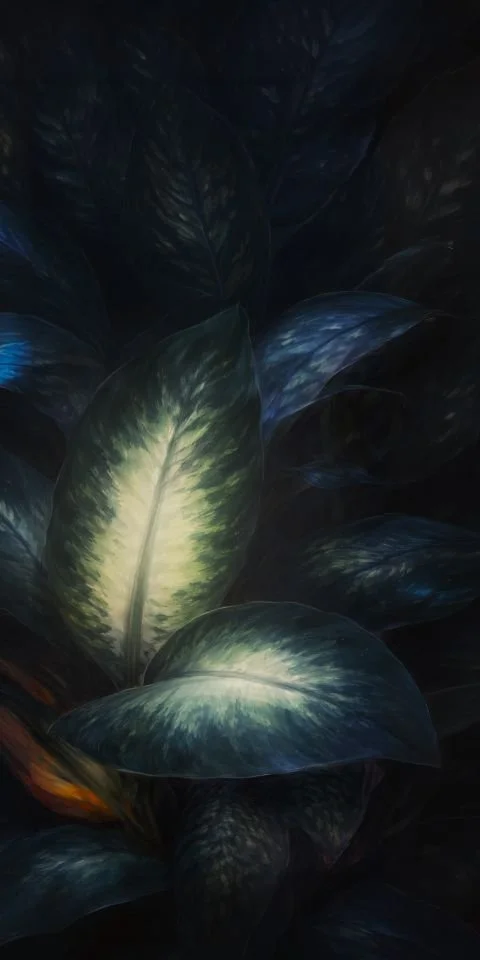
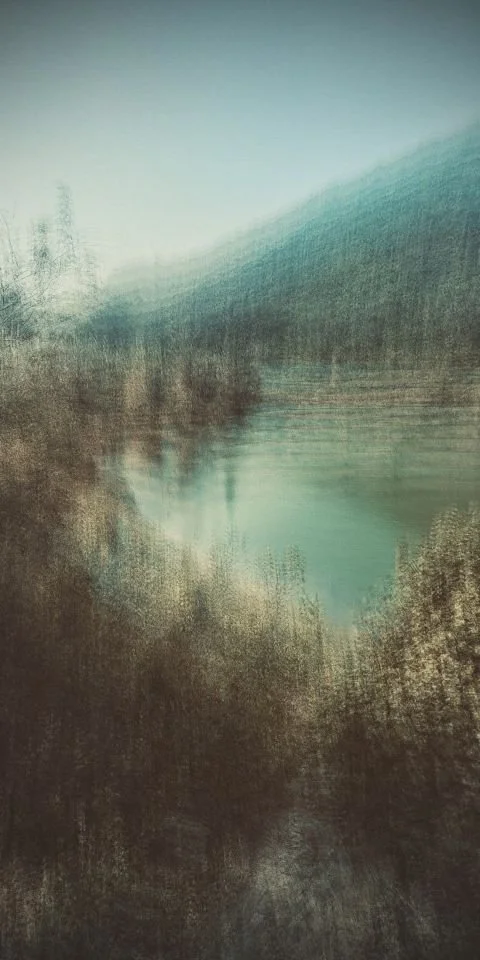
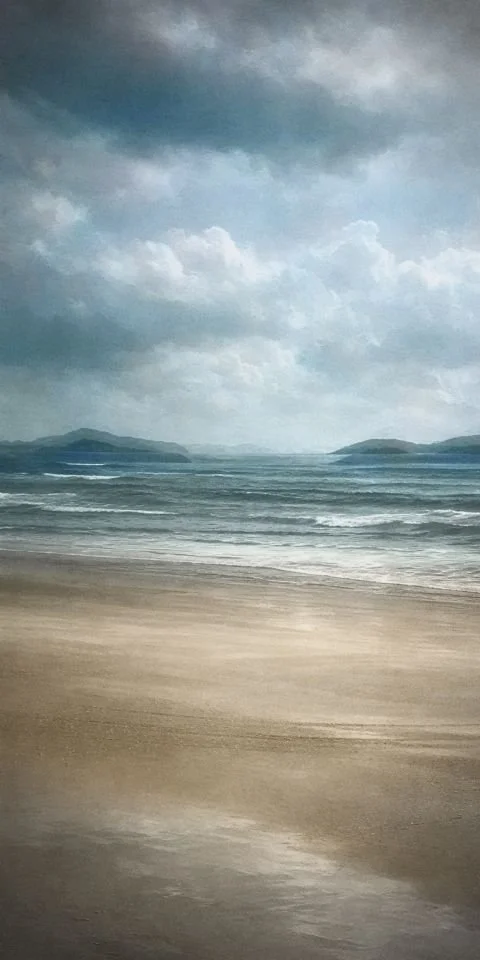
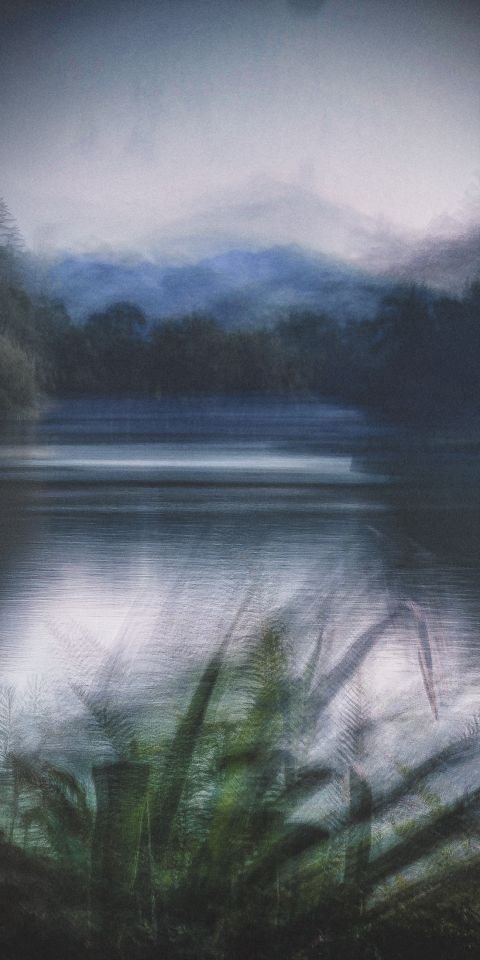
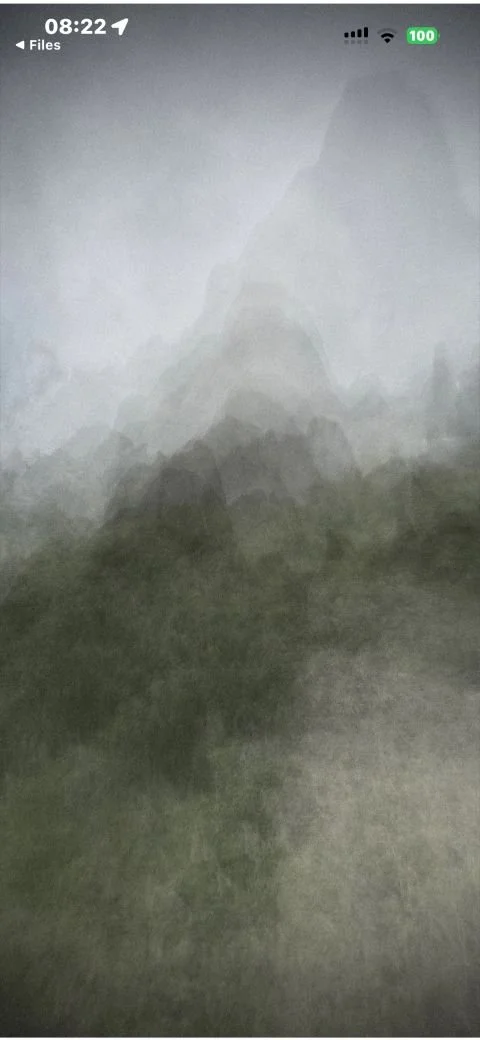
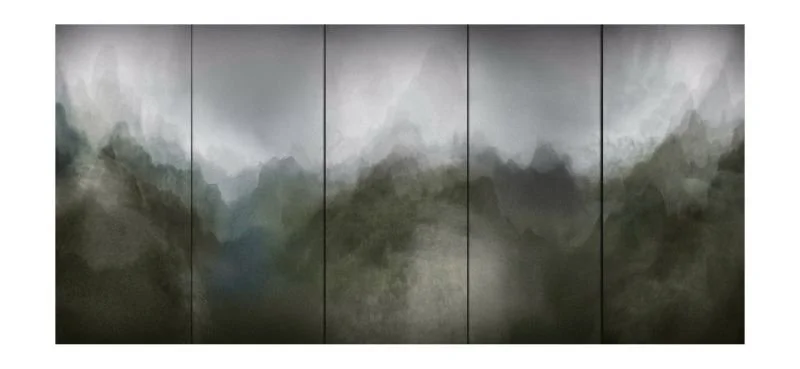
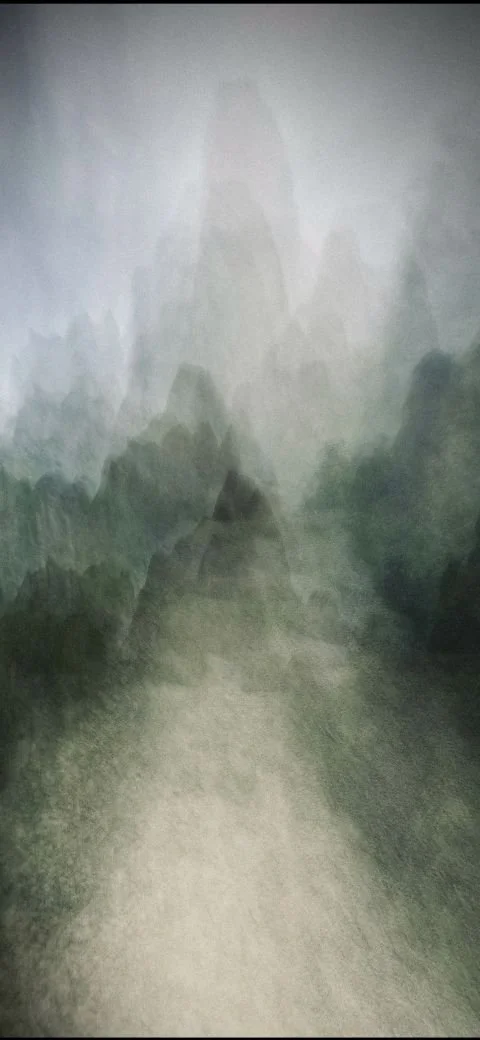
The work was produced during an artist residency at Le Méridien Shimei Bay, Hainan, China — a period of sustained practice that allowed me to work across three distinct landscape environments: tropical botanical, mountain interior, and coastal. The series engages with ideas of the digital sublime, drawing on Chinese shanshui aesthetics — the philosophical tradition of mountain and water — to frame landscape as something lived and felt rather than simply recorded.
It is good to be back at AFP. I last showed at the festival in 2014, when I exhibited Auschwitz Revisited at the Elam School of Fine Arts. That was a very different body of work — constructed tableau, historical memory, a very specific weight. Limen sits at a different point in my practice, closer to the contemplative end, concerned with light, atmosphere, and the threshold between what is seen and what is sensed.
The festival runs across Auckland from 29 May to 14 June, with this year's theme Movement [Kori]. The full programme includes an exceptional range of New Zealand and international work — I am glad to be part of it.
More at kozka.com and photographyfestival.org.nz
Just arrived in Beijing
Just arrived in Beijing. Spring here unfolds in an unstable way. It is not simply observed, but continually forming—layering, shifting, recombining. I’m working with a new approach—interrupting and breaking the image as…
Spring here unfolds in an unstable way. It is not simply observed, but continually forming—layering, shifting, recombining.
I’m working with a new approach—interrupting and breaking the image as it forms, allowing it to move between capture and construction. The frame is no longer fixed, but emerges through fragments, repetition, and folding.
This marks a new phase within The Garden. The image will continue to transform, moving from photograph into structure and form.
Beijing, Spring 2026
Work in progress
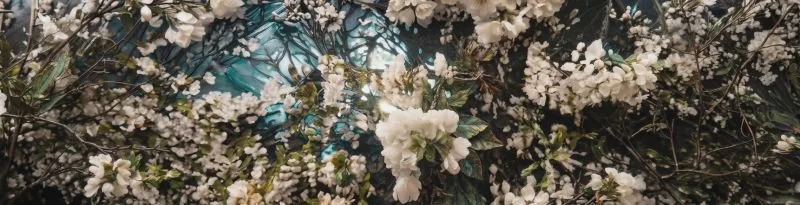
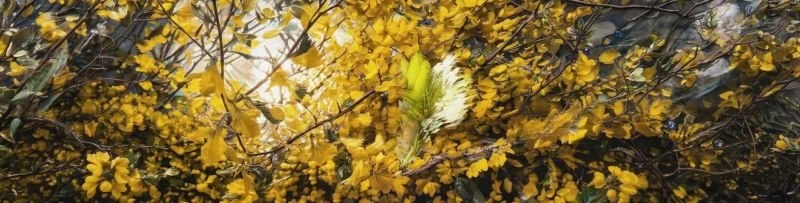
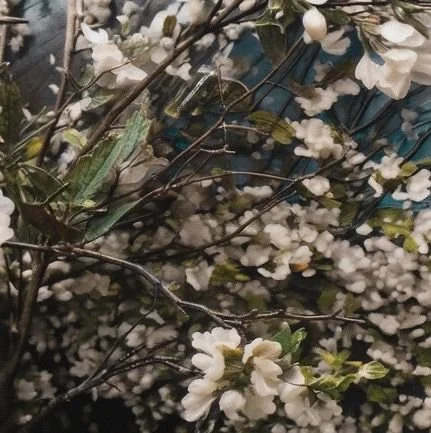
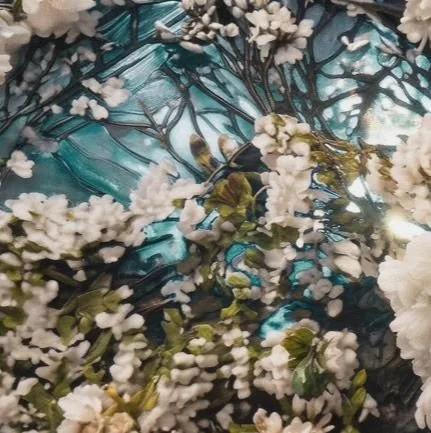
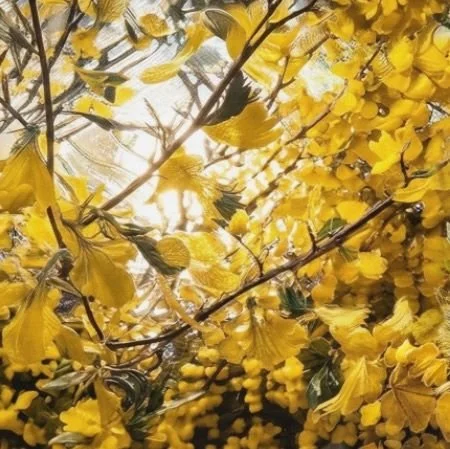
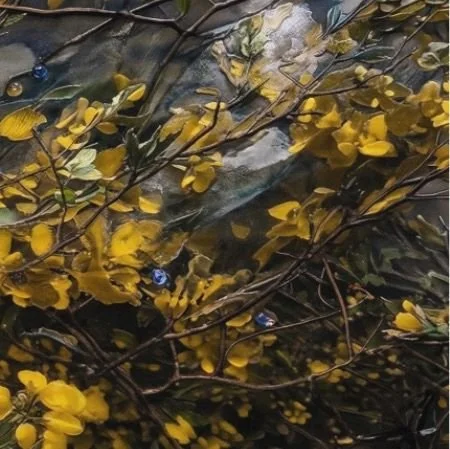
A walk through the Garden Series exhibition at Parts Unknown Art, Suzhou
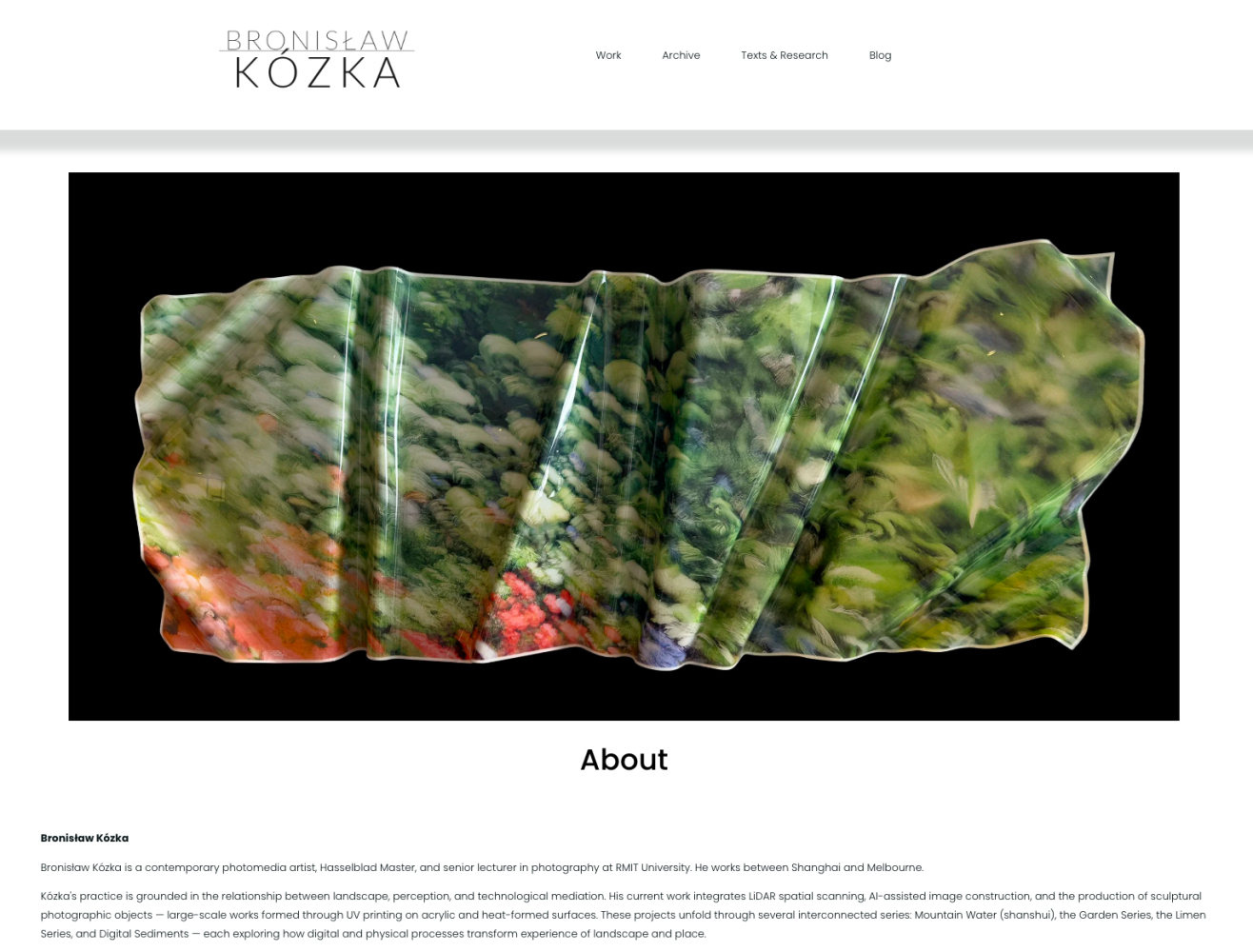
A walk through the Garden Series exhibition at Parts Unknown Art, Suzhou. These works grew from my 2025 residency at the Swatch Art Peace Hotel in Shanghai, where high-resolution photography, LiDAR scanning and AI…
These works grew from my 2025 residency at the Swatch Art Peace Hotel in Shanghai, where high-resolution photography, LiDAR scanning and AI collaboration came together to reimagine the traditional Chinese garden.
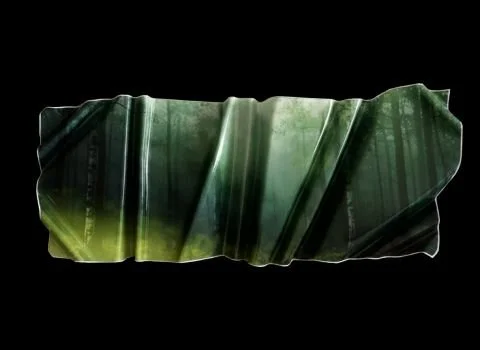
Each UV-printed, heat-formed acrylic sculpture carries the DNA of a single botanical subject, transformed through what I call the Origin Image methodology.
Grateful to the team at Parts Unknown Art for such a beautiful presentation.
This post included a video. Watch it on LinkedIn.
The Garden of Being — Suzhou, 2026
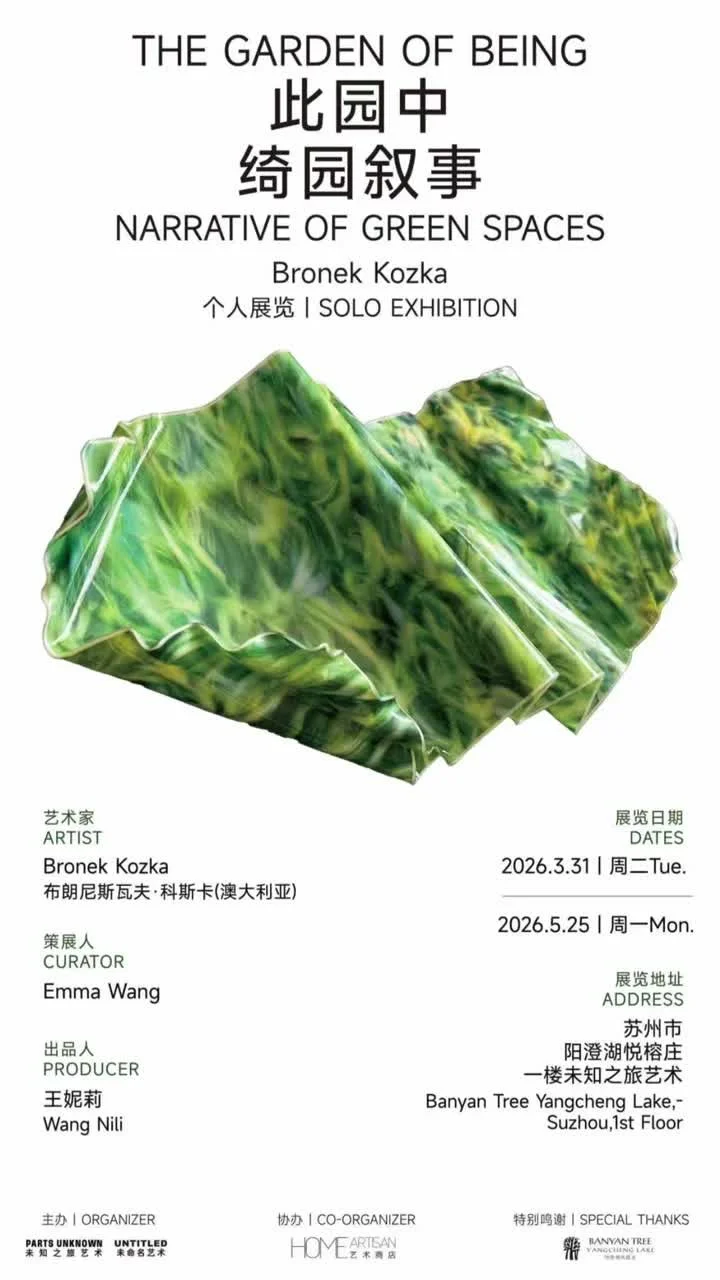
The Garden of Being — Suzhou, 2026 I’m pleased to share the opening of my upcoming solo exhibition The Garden of Being at Unknown Journey Art Space, Banyan Tree Yangcheng Lake, Suzhou. This exhibition builds directly…
I’m pleased to share the opening of my upcoming solo exhibition The Garden of Being at Unknown Journey Art Space, Banyan Tree Yangcheng Lake, Suzhou.
This exhibition builds directly from my recent residency at the Swatch Art Peace Hotel in Shanghai. That period allowed for a shift in the work — not just in output, but in thinking.
The central question became quite simple:
What happens when the photograph is no longer treated as an image, but as a condition?
The works in this exhibition extend photography into object and environment. Using UV printing on acrylic combined with hand heat-forming, the image is no longer flat. It bends, holds tension, and occupies space. It asks the viewer to move, not just look.
There is also a strong dialogue with Chinese landscape thinking, particularly shanshui traditions, where absence and atmosphere carry equal weight to form. This has deeply influenced how I approach both image construction and spatial experience.
Rather than presenting landscape as something external, these works attempt to situate the viewer within it — moving from observation to immersion.
This exhibition would not have been possible without the conversations and connections formed during my time in Shanghai, particularly those that opened new ways of thinking about image, material, and place.
If you are in Suzhou between 31 March and 25 May, I would be glad for you to experience it in person.
VENUE / ADDRESS
Unknown Journey Art Space
1st Floor, Banyan Tree Yangcheng Lake
Suzhou, China
未知之旅艺术空间
苏州市阳澄湖悦榕庄一楼
Curator:
Emma Wang / 王 Emma
Producer:
Wang Nili / 王妮莉
ORGANISERS
Parts Unknown / 未知之旅艺术
Untitled / 未命名艺术
CO-ORGANISER
Home Artisan / 艺术商店
SPECIAL THANKS
Banyan Tree Yangcheng Lake / 阳澄湖悦榕庄
This post included a video. Watch it on LinkedIn.
I’m pleased to share that my work Clay Cliffs has been shortlisted for the John…
I’m pleased to share that my work Clay Cliffs has been shortlisted for the John Richardson Residency Award and will be exhibited by Hambly & Hambly at Dunbar House in Northern Ireland. Dunbar House provides a strong…
I’m pleased to share that my work Clay Cliffs has been shortlisted for the John Richardson Residency Award and will be exhibited by Hambly & Hambly at Dunbar House in Northern Ireland.
Dunbar House provides a strong historical context for contemporary practice.
This piece is part of my ongoing Origin Image methodology, where the image is captured through direct engagement with place and retained without alteration.
The exhibition opens on 17 April.
Website: https://lnkd.in/gFN3RKwp
Instagram: https://lnkd.in/gM9TDpyS
bro-NEE-swahv KOOZ-kah
On the Identity of Bronisław Kózka The first identity was designed in the early 2000s by Melbourne designer Dominic Hofstede. It was a strong, era-appropriate piece of work: dark blue type, the surname KOZKA set in…
On the Identity of Bronisław Kózka
The first identity was designed in the early 2000s by Melbourne designer Dominic Hofstede. It was a strong, era-appropriate piece of work: dark blue type, the surname KOZKA set in clean capitals, and a single orange graphic element riding above the O. The acute accent, the ó, lifted out of the letterform and made into a mark in its own right. It appeared on my letterheads and comp slips, on the back of correspondence, a small declaration of difference. The choice was deliberate. The accent was not incidental to my name; it was its most particular feature, the visible sign of a Polish name navigating an Anglo world. Dominic understood that and made it the focal point.

Over the years, as it often does, the identity softened and simplified in practice. My full first name retreated. Bronisław became Bronek. The diacritics were left behind.
In recent years that has reversed. The full name, Bronisław, with its crossed Ł, its particular weight and cadence, has come back into use, on purpose and with intention. The ł is not an inconvenience to be accommodated; it is a letter, complete and specific, and it belongs to my name. The re-embrace of Bronisław has been part of a broader reckoning with what my practice is, who it is for, and how it presents itself to the world.
For those unfamiliar with Polish, the name sounds like this: bro-NEE-swahv KOOZ-kah. The stress falls on the second-to-last syllable, as it does throughout the Polish language. The ł, which looks like a crossed L, is pronounced as an English W, so Bronisław ends in swahv, not slaw. The ó in Kózka is a long oo sound, as in boot. It is not a difficult name once you have heard it. And the letters, once you know them, are precise instruments, not decorative flourishes.
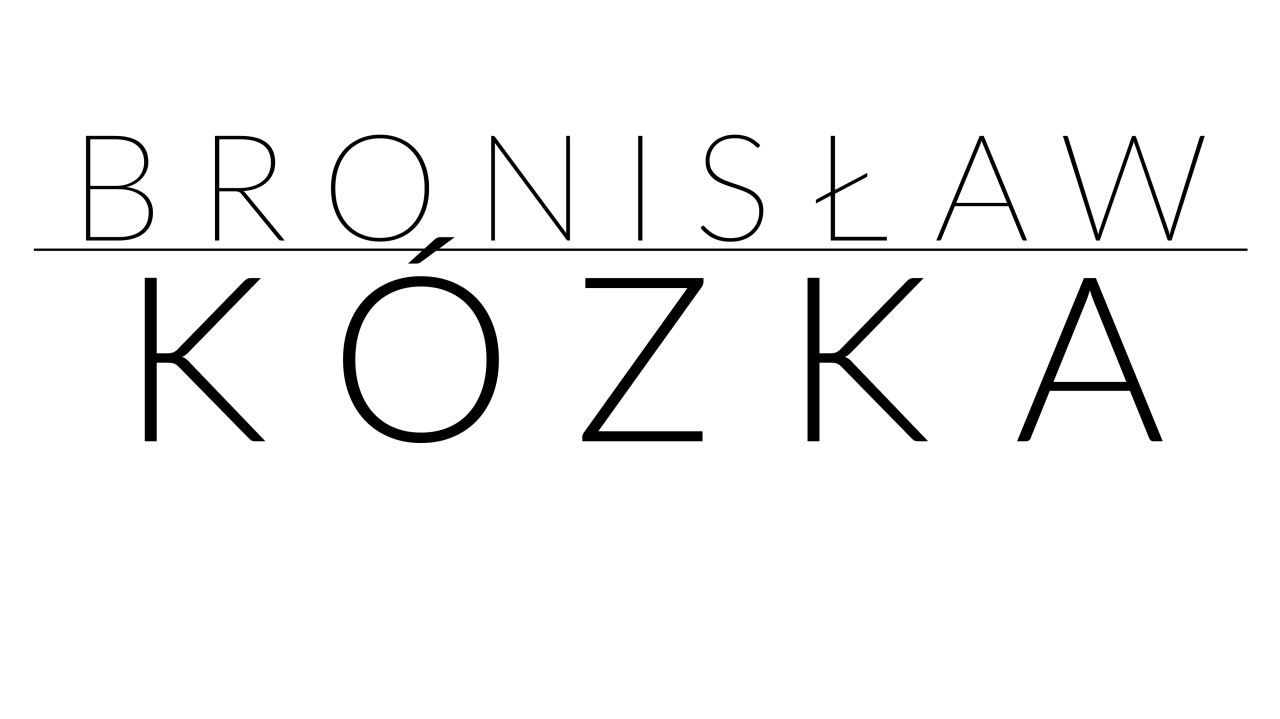
The new website identity at kozka.com takes that spirit and strips it back further. The logo is purely typographic: two weights of Lato, set in black on white, nothing else. BRONISŁAW in Thin, tracking wide, held above a hairline rule. KÓZKA in Light, large, dominant. The ó is there, properly formed, and so is the ł. No graphic embellishment is needed. The letters carry the name.
The choice of Lato matters to me. It was designed in Warsaw in the summer of 2010 by Łukasz Dziedzic, a Polish type designer working under his foundry tyPoland. Dziedzic went on to produce some of the most commercially successful typefaces in the FontFont catalogue, including FF Clan and FF Good, but Lato became something else: one of the most widely used typefaces in the world, released as open source and distributed through Google Fonts. His design intention was specific. He wanted a face that would be transparent in text but reveal character at display sizes, and at the scale of a logo, that is exactly what it does. The stroke terminals are slightly rounded, quietly humanist, warm without being soft.
The through-line from Dominic's logo to the new identity is the same instinct: the name, treated with full seriousness. The first time, the accent was orange and conspicuous. This time, it is simply correct, in a typeface designed by a Pole, for a name that is fully, unapologetically Polish.
The website moves to white. Clean type. Work at full scale. Nothing in the way.
Very happy to share that my project, working title, THRESHOLD — Communing with…
Very happy to share that my project, working title, THRESHOLD — Communing with Nature has been selected for the La Chapelle Saint-Antoine Artist Residency on the island of Naxos, Greece. 🇬🇷 La Chapelle Saint-Antoine…
Very happy to share that my project, working title, THRESHOLD — Communing with Nature has been selected for the La Chapelle Saint-Antoine Artist Residency on the island of Naxos, Greece. 🇬🇷
La Chapelle Saint-Antoine is a remarkable space — a Venetian house transformed into an Orthodox monastery, now a place where artists come to work at the edge of sea and mountains. It's a literal threshold, which makes it the perfect setting for this project.
THRESHOLD explores the liminal spaces where human consciousness meets the natural world — between observation and immersion, the secular and the sacred, Eastern and Western ways of understanding landscape. Working across photography, generative AI, LiDAR scanning, and kinetic sculpture, I'll be using the Aegean light, wind, and ancient textures of Naxos as both subject and collaborator.
After 25 years of cross-cultural engagement between Eastern shanshui philosophy and Western traditions of the sublime, this feels like the right place at the right time.
The announcement is live on the residency's Instagram — follow along there for updates as the work develops.
@bronekkozka | www.kozka.com
The Fläming Palimpsest: Digital Archaeology and the Romantic Sublime
The Fläming Palimpsest: Digital Archaeology and the Romantic Sublime Pal·imp·sest /ˈpalɪm(p)sɛst/ noun I am currently developing the conceptual framework for a proposed residency at Schloss Wiepersdorf, Germany—a site…
Pal·imp·sest
/ˈpalɪm(p)sɛst/ noun
I am currently developing the conceptual framework for a proposed residency at Schloss Wiepersdorf, Germany—a site steeped in the intellectual history of German Romanticism.
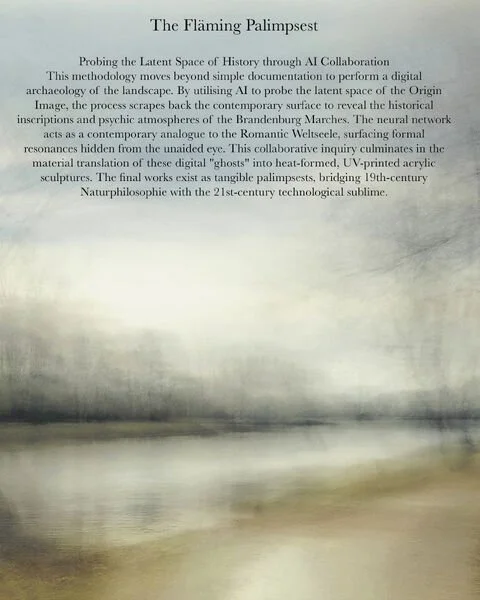
This new body of work, titled "The Fläming Palimpsest", approaches the Brandenburg landscape not as a static view, but as a layered manuscript where historical and psychic inscriptions remain legible beneath the contemporary surface.
The Methodology: Origin Image + AI Collaboration
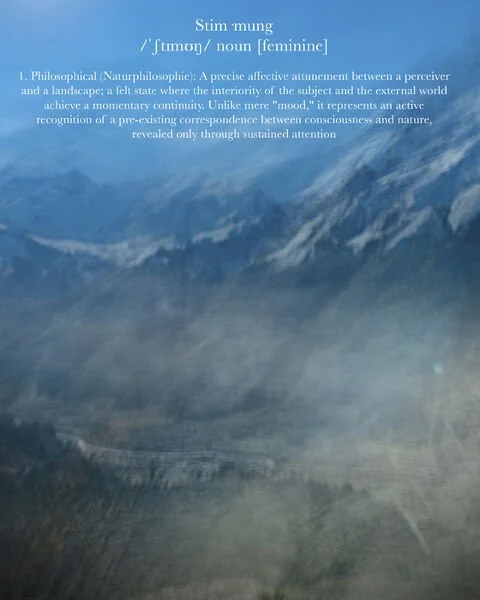
The project utilises my Origin Image methodology: a duration-based, contemplative mode of capture designed to achieve what the Romantics called Stimmung—a precise affective attunement between the perceiver and the environment.
The critical shift in this work is the role of Artificial Intelligence. I am not utilising AI for generative "prompting", but as a collaborative tool to probe the latent space of the captured image.
In this framework:
The AI’s neural network acts as a contemporary analogue to the Weltseele (World Soul). It surfaces historical echoes and formal resonances hidden from the unaided eye. By "scraping back" the digital surface, I aim to reveal the intellectual residue of figures like Bettina von Arnim and Philipp Otto Runge.
This project is a visual dialogue between 19th-century Naturphilosophie and the 21st-century technological sublime.