
Athena Shrugged

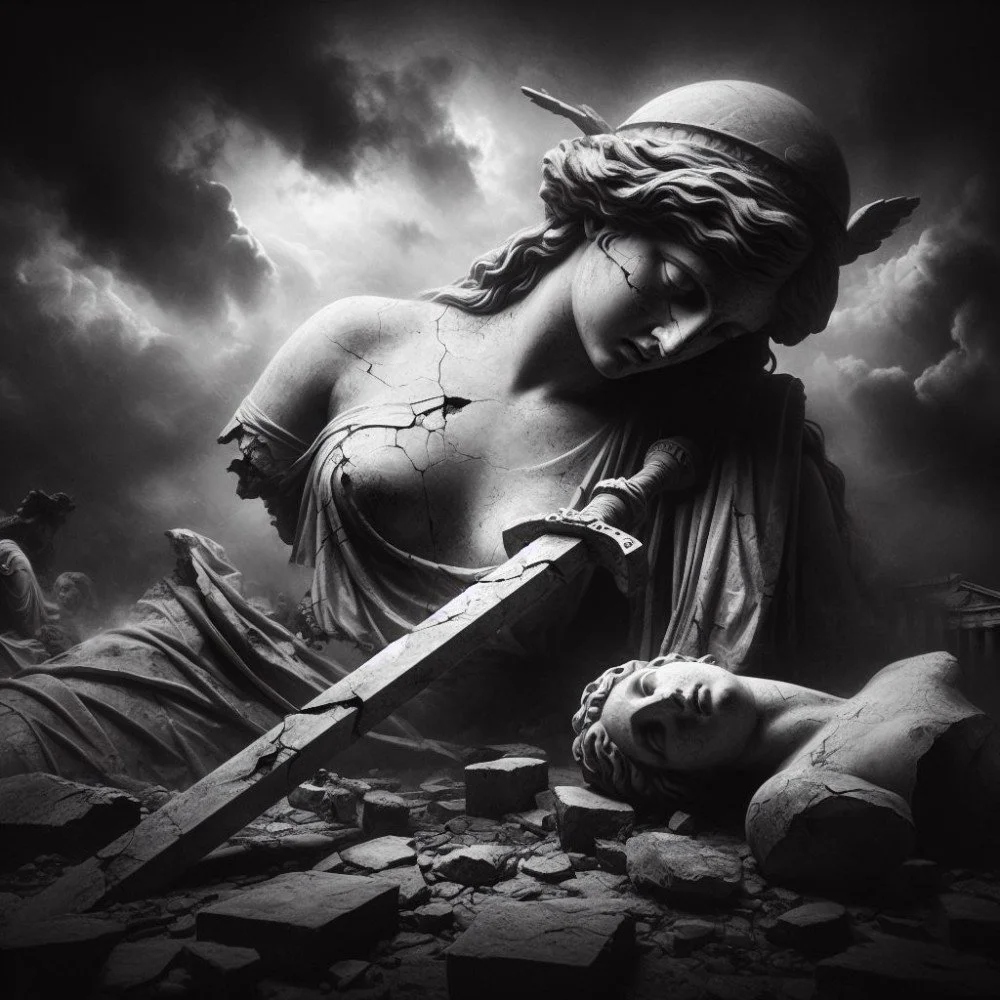
Recently, I've been pondering Ayn Rand's "Atlas Shrugged," but with a twist – envisioning a deeper, darker version. Now, I should clarify, this isn't the beginning of a novel (I'm no writer, haha), nor is it a concept for a visual series. It's more a collection of ideas, somewhat bleak and a touch on the crazy side
In the reimagined version titled "Athena Shrugged," the narrative diverges from the industrial backdrop of Ayn Rand's original work, placing itself within the intellectual and academic sphere. Here, Athena, symbolizing wisdom, enlightenment, and education, becomes the central figure around which the story revolves. This version portrays a group of university academics, embodying the spirit of Athena, who retreat to a secret sanctuary within an ancient library to escape the stifling bureaucracy and ideological dogma of modern academia. "Athena Shrugged" stands as a metaphor for the pursuit of knowledge and intellectual freedom, challenging the encroaching constraints of administrative oversight and restrictive ideologies. The story unfolds as a poignant exploration of the balance between intellectual autonomy and the need for community and recognition in scholarly endeavours. Athena's presence in the narrative underscores the value of wisdom, critical thinking, and the pursuit of truth, ideals often overshadowed in the increasingly administrative and politicized landscape of contemporary academia.
Beginning: Frustrated by the increasing bureaucratic control and ideological conformity in their universities, a group of talented academics secretly retreat to an ancient library situated in the heart of a cultural capital. This library, a repository of vast knowledge and history, is shielded by an impenetrable moat, providing a secluded sanctuary for unfettered intellectual exploration.
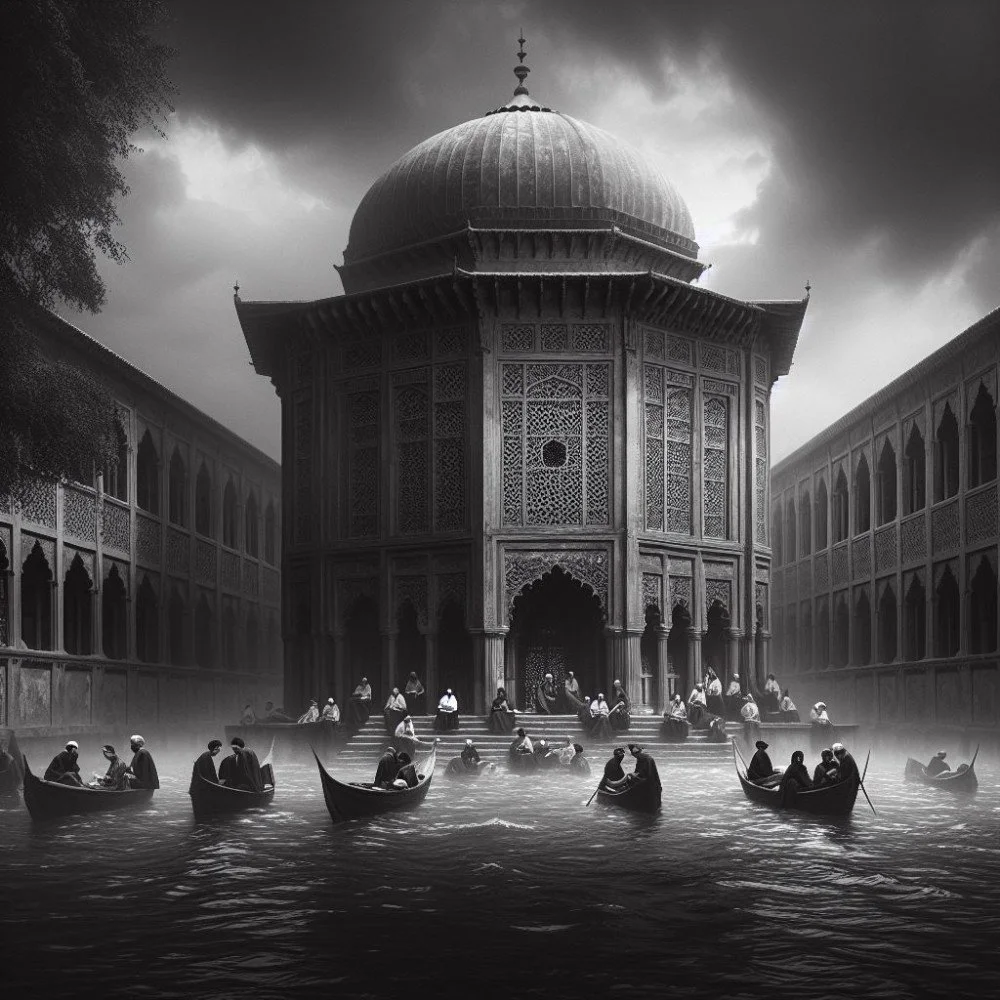
Middle: Within this haven, the academics initially experience a renaissance of ideas and creativity. They engage in extensive research, write ground-breaking papers, produce innovative films, create art, and engage in vibrant academic debates. This period is a testament to the potential of intellectual freedom, unmarred by external bureaucratic constraints.
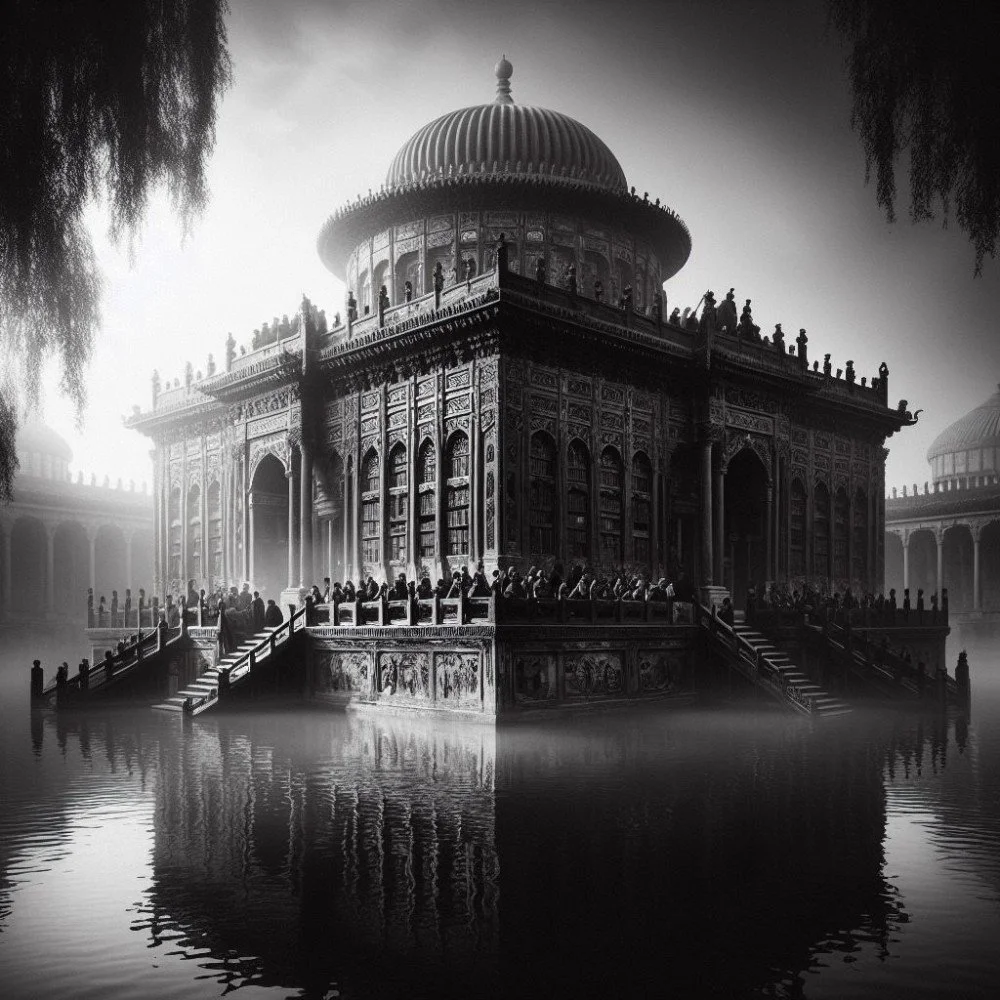
However, over time, the lack of external engagement and audience begins to erode their sense of purpose. The absence of feedback, public recognition, and academic discourse with the broader community leads to a growing sense of despair and meaninglessness.
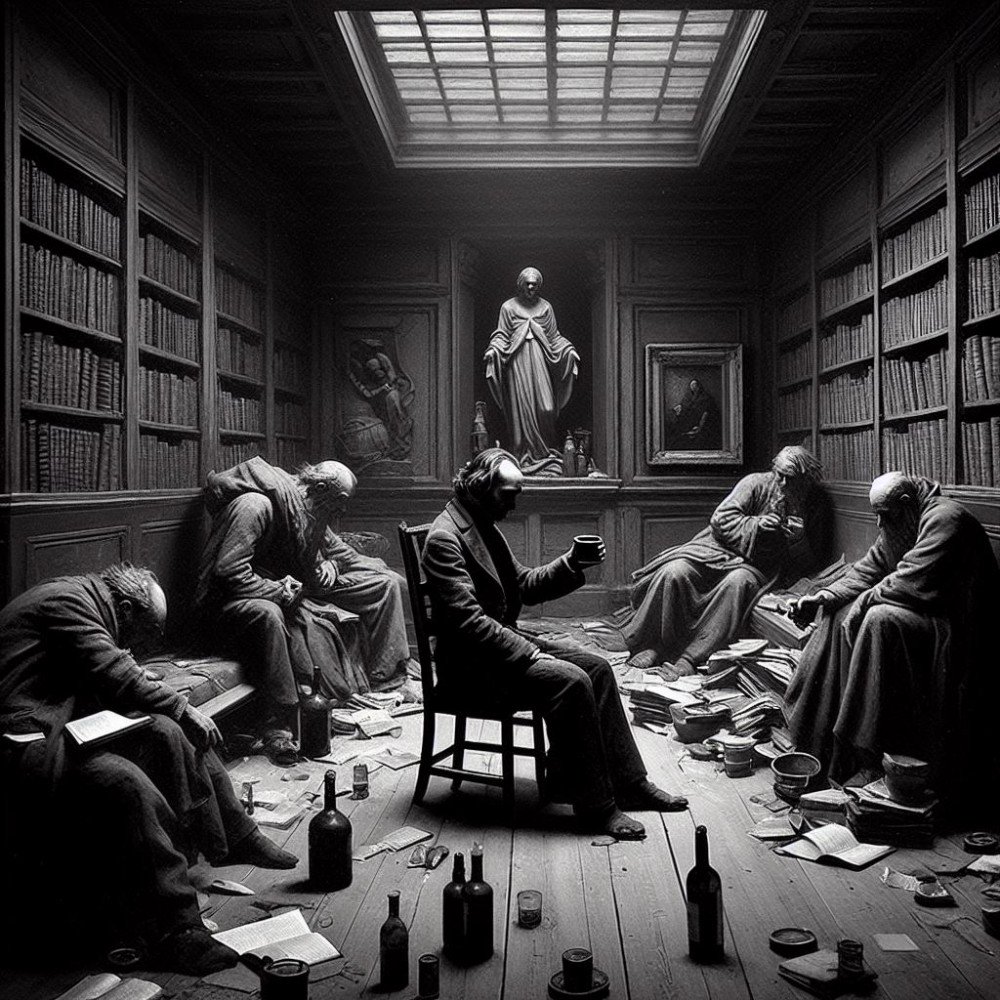
Climax: This despair devolves into self-destructive behaviours. The scholars, once disciplined and focused, now succumb to excessive drinking and debauchery. The library, once a symbol of intellectual sanctuary, becomes cluttered with unfinished and unseen works.

In a tragic turnsits our main protagonist sits amidst piles of unfinished manuscripts and projects – the physical manifestations of unfulfilled potential and ideas that will never reach the public eye – he inadvertently sets a catastrophic chain of events into motion. In a moment of careless inebriation, he passes out, his hand loosening its grip on a lit cigarette. The cigarette, a small yet potent catalyst, falls onto an unfinished manuscript.
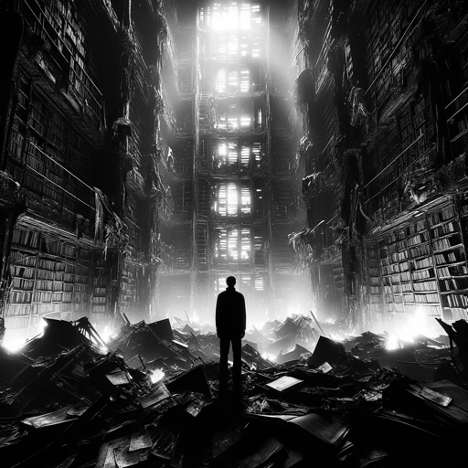
The fire starts as a smoulder, almost unnoticed in its infancy, but soon finds ample fuel in the surrounding materials. The room, cluttered with the creative outputs of the academics – manuscripts rich with thought, paintings vibrant with unshared visions, celluloid films of unseen documentaries, and books of unspoken knowledge – becomes an unwitting tinderbox. The linseed oil from the paintings and the highly flammable nature of the celluloid films exacerbate the blaze, turning it into an uncontrollable inferno.
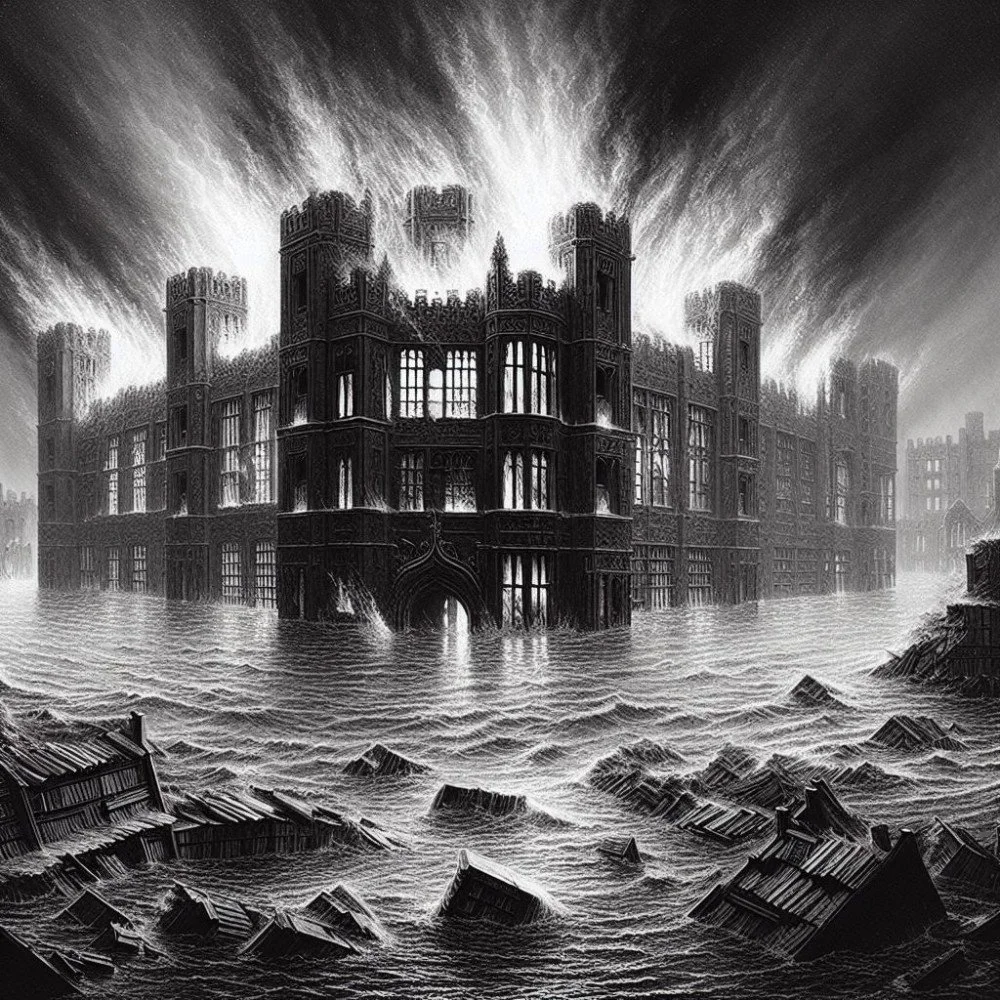
This fire, both literal and metaphorical, signifies the destruction of not just the physical works, but also the demise of what could have been a profound intellectual movement. It highlights the fragility of ideas and creativity when they are removed from the world they are meant to engage with and influence. In this pivotal scene, "Athena Shrugged" not only portrays the physical destruction of the academic haven but also reflects on the deeper loss of potential and wisdom, consumed by the flames of despair and isolation.
Ending: The fire compromises the library's defences, breaching the protective moat. A catastrophic flood ensues, sweeping away all traces of the academics' work and endeavours. The legacy of their intellectual pursuit is washed away, leaving no evidence of their once-thriving haven.
The final scene shifts to the outside world. Here, a group of university administrators are seen onboarding a new set of administrators. This scene implies a shift in the academic paradigm, with academics completely absent from the new structure. It subtly highlights the cyclical nature of the academic world and the transient nature of intellectual movements. The perpetual renewal of administrative life continues, seemingly oblivious to the lost legacies and the absence of the very academics who once formed the backbone of intellectual exploration and teaching.