
Class Two
Before the camera comes out, the work has already begun. Today we look at how professional shoots are planned, and then we go outside to test our own.
What We Are Doing
Plan Recap
Each group states their plan from Class One. Two reference images. One location. One time of day. One compositional question. If any of those four things are missing or vague, fix them now before we go outside.
Pre-Production Masterclass
Two case studies from professional practice: a commercial advertising campaign and a long-term personal project. Both follow the same principle. What you decide before shooting determines what you get when you do.
Location Scout and Test Shoot
Take your reference image outside and find your exact location on campus. Take 3 to 5 test frames. This is not your final shoot. The purpose is to find the problems while there is still time to fix them.
Test Frame Review
Each group puts their best test frame next to their reference image on screen. The question is not whether it looks good. The question is whether it matches, and if not, what specifically needs to change before your shoot day.
Pre-Production Is Not Admin. It Is Thinking.
“Every decision you make on shoot day that you could have made beforehand is time and light you are burning.”
Most beginners treat planning as a formality before the real work. It is the opposite. The shoot is the last step, not the first. By the time you raise the camera, the important decisions should already be made.
What is in the frame? Where is the subject? What does the background do? What direction is the light coming from? These are not questions to answer while shooting. They are questions to answer before you leave the room.
Two Projects, One Approach
We will look at two very different projects that follow the same discipline. A commercial campaign with a client, a budget and a deadline. And a personal long-term project with no client at all. The planning looks different on the surface. The rigour underneath is identical.
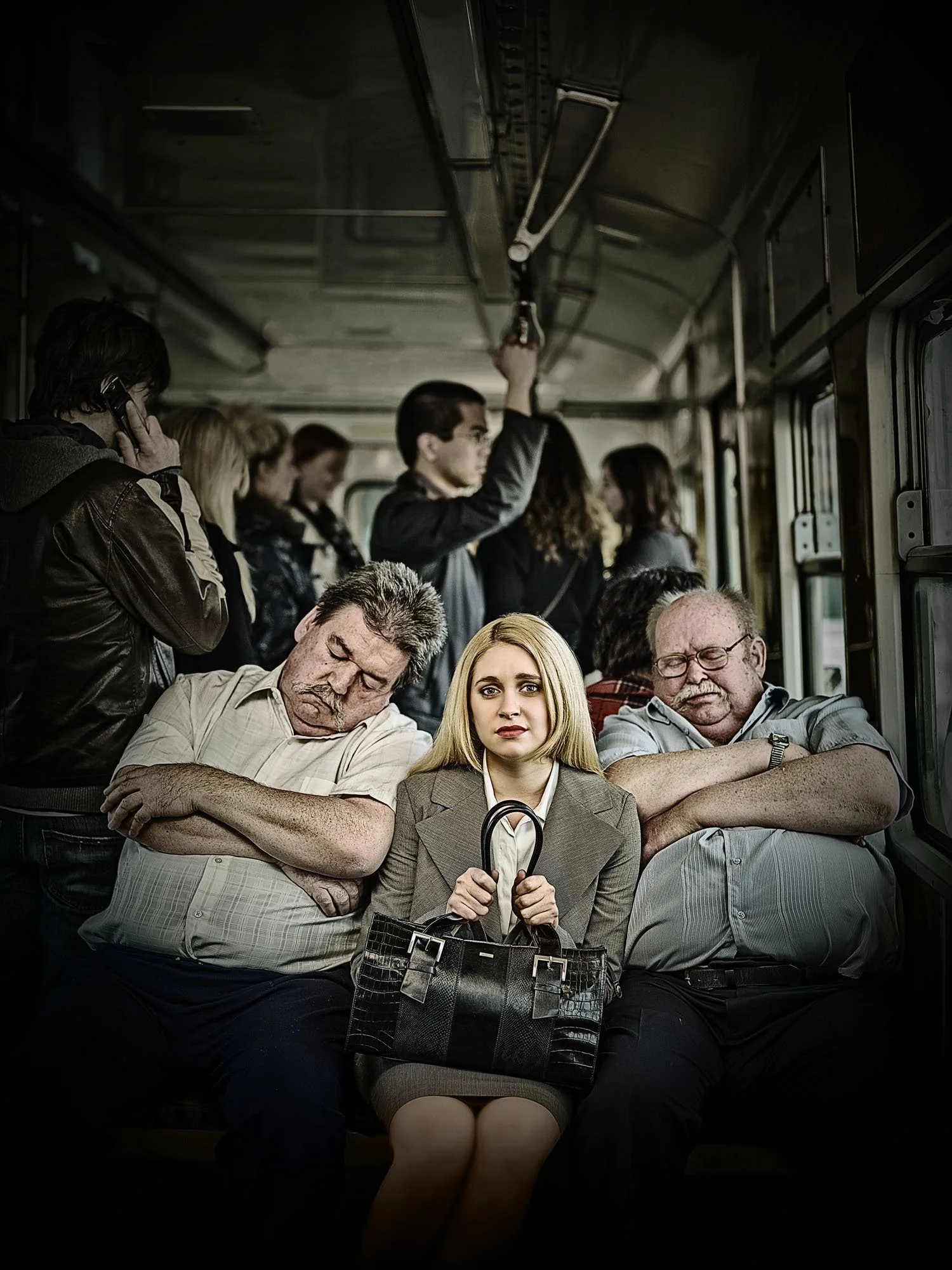
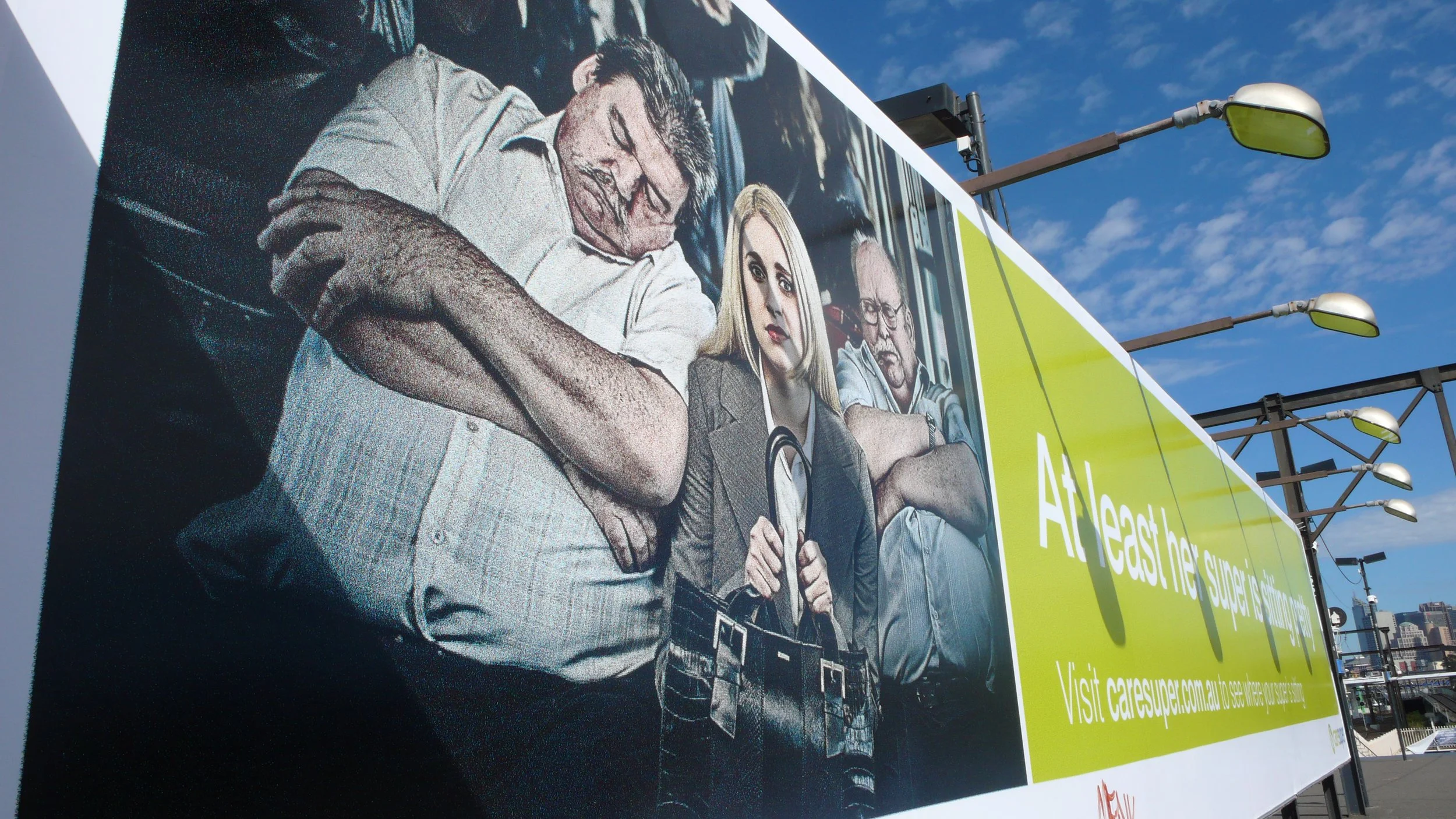
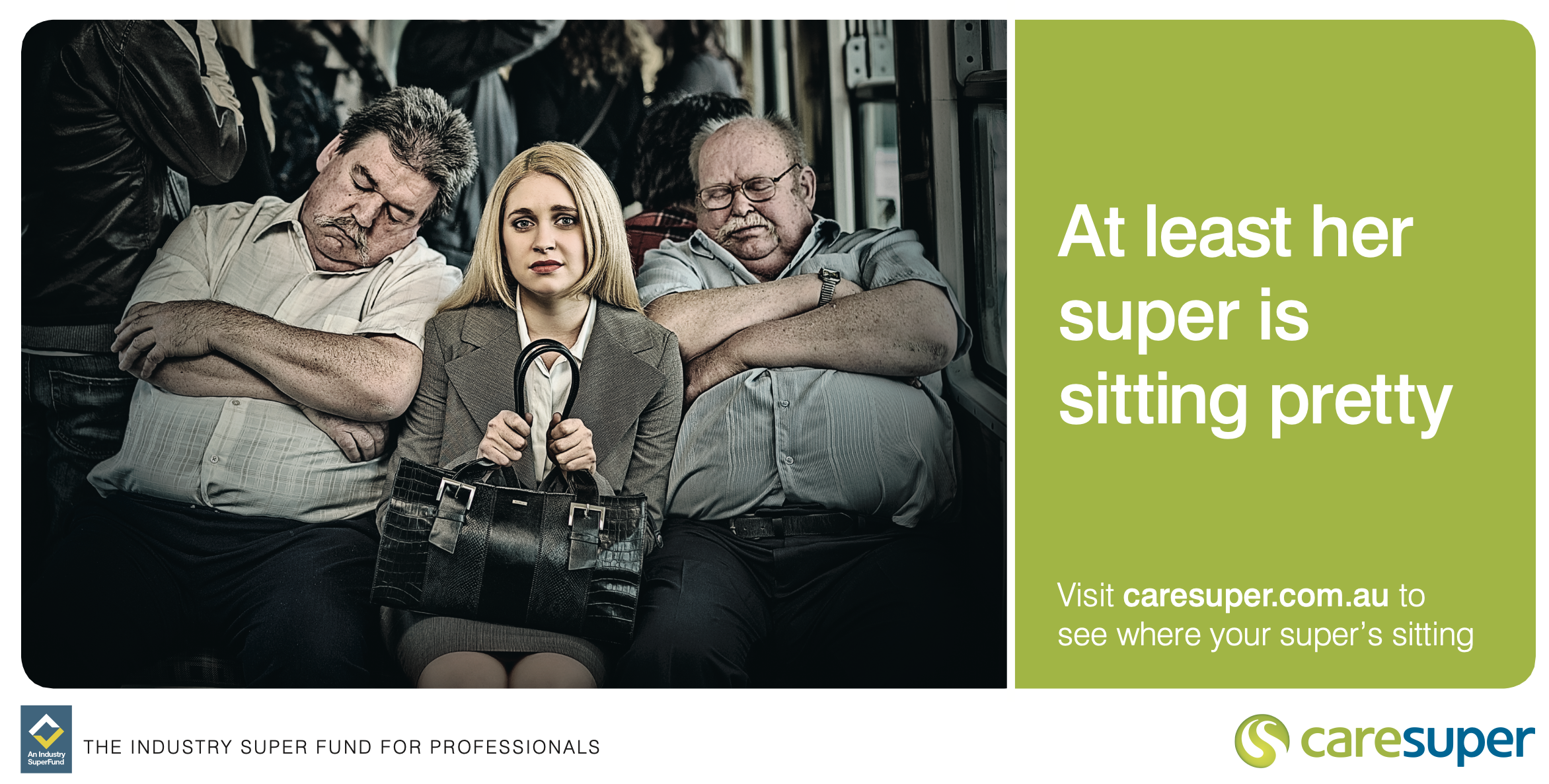
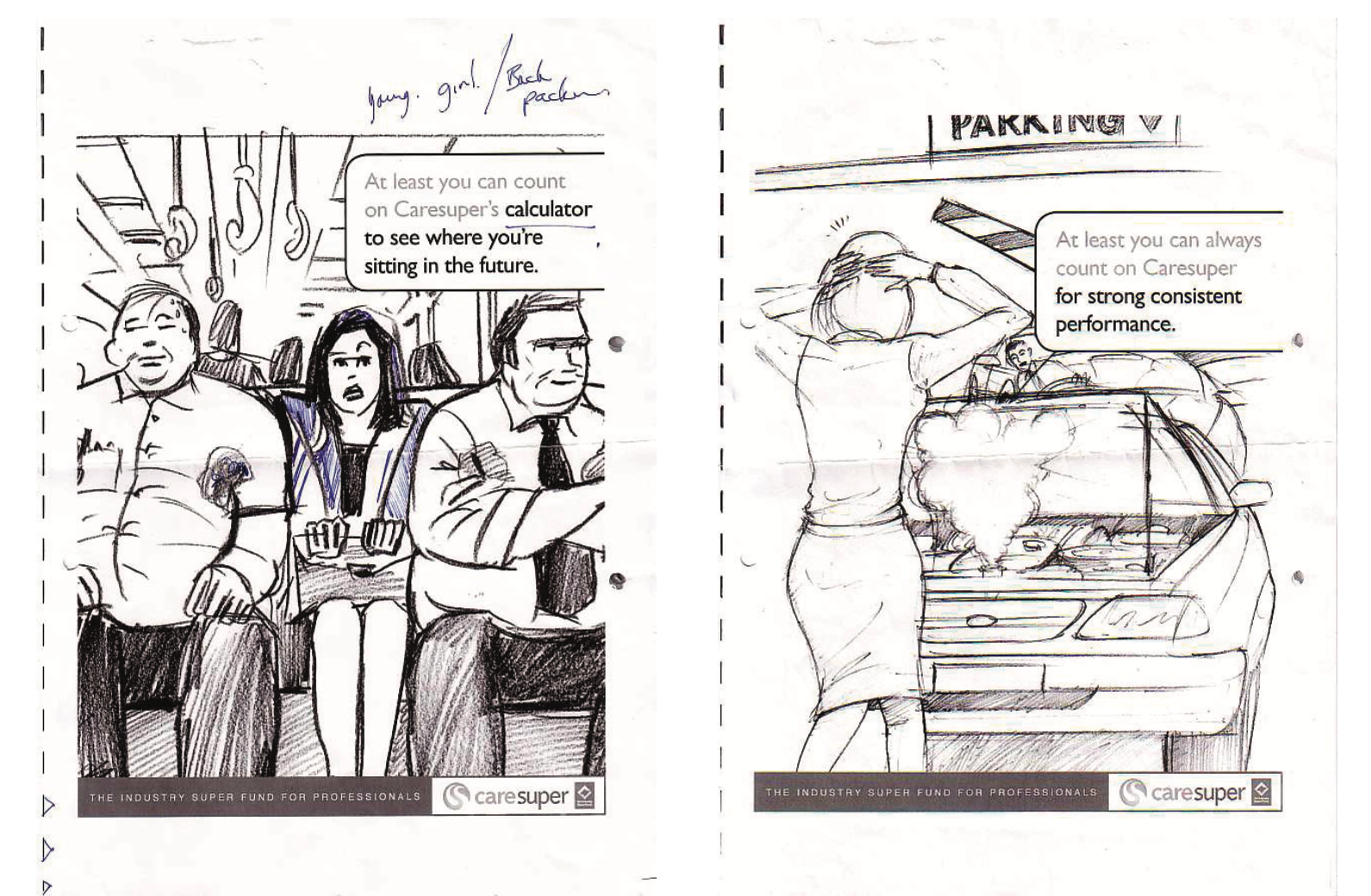
CareSuper Campaign
A commercial advertising campaign begins with a brief: who the client is, what the image needs to communicate, and what the constraints are. Everything that happens on shoot day flows directly from that document. The location was scouted. The light was planned. The talent was directed to specific marks. Nothing was improvised because nothing needed to be.
We will look at the brief, the shot list, the production stills from set, and the final billboard advertisements. Follow the line from the brief on paper to the image on the street.
Remembering What Never Happened
A personal long-term project has no client holding you accountable. That makes the discipline harder, not easier. Without a brief, you have to write your own. What is this project about? What does each image need to do? What are the rules you set for yourself?
We will look at how the brief for this project was established, and how that brief shaped every image in the series. The same questions apply whether you are working for a client or entirely for yourself.
What Pre-Production Actually Covers
Before your camera comes out for the real shoot, these are the things that should already be decided.
The Test Shoot
Three Rules Before You Go Outside
This is not your final shoot. You are checking that your plan works. Come back with evidence, not a finished image.
- Shoot the composition from your reference image, not a variation of it
- Take at least 3 frames from the same position
- Have one person hold the reference image next to the camera while another checks the frame
When you are outside, ask yourself these questions at every location: Does this background read the same as in your reference? Where is the light coming from, and does it match? Are you close enough to your subject, or are you standing back out of habit?
The test shoot exists so that your real shoot day is not the first time you stand in your location. You will already have solved the problems. The shoot becomes confirmation, not discovery.
Comparing Your Frame to the Reference
When we come back inside, each group will put their best test frame alongside the reference image. The group presents. The rest of the room gives feedback. We are looking for specific differences, not general impressions.
For each comparison, we ask four things:
What You Need to Confirm Today
- Your exact shoot location on campus, confirmed from your test frame
- Your confirmed time of day, based on where the light falls
- At least one test frame to compare against your reference
- A note of what specifically needs to change before your shoot
- Your reference image saved to your phone, ready for shoot day
- Upload your two best test frames to WeChat after this session
Bronisław Kózka