
Atmospheric Harmonies: Exploring the Legacy of Turner, Whistler, Whadcock, and Contemporary Practice
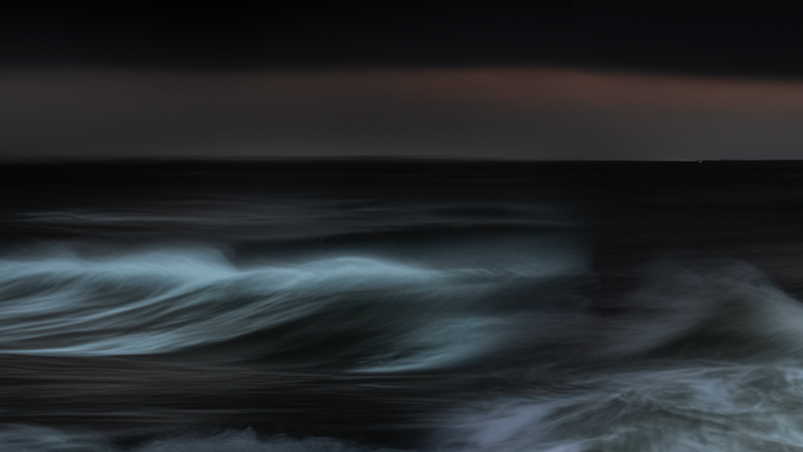
A recent Instagram post from Cutter & Cutter Fine Art Gallery sparked an unexpected journey through artistic history. The post juxtaposed James McNeill Whistler's Nocturne in Grey and Silver with Richard Whadcock's contemporary works, revealing an artistic lineage that spans centuries. This serendipitous discovery, coupled with my recent encounter with J.M.W. Turner's work in Shanghai, illuminates a fascinating thread in artistic history: the treatment of atmosphere as subject rather than setting. The confluence of these experiences—viewing Turner's masterpieces in person, discovering the Whistler-Whadcock connection, and reflecting on my own artistic practice—has led me to contemplate the enduring power of atmospheric representation in art.
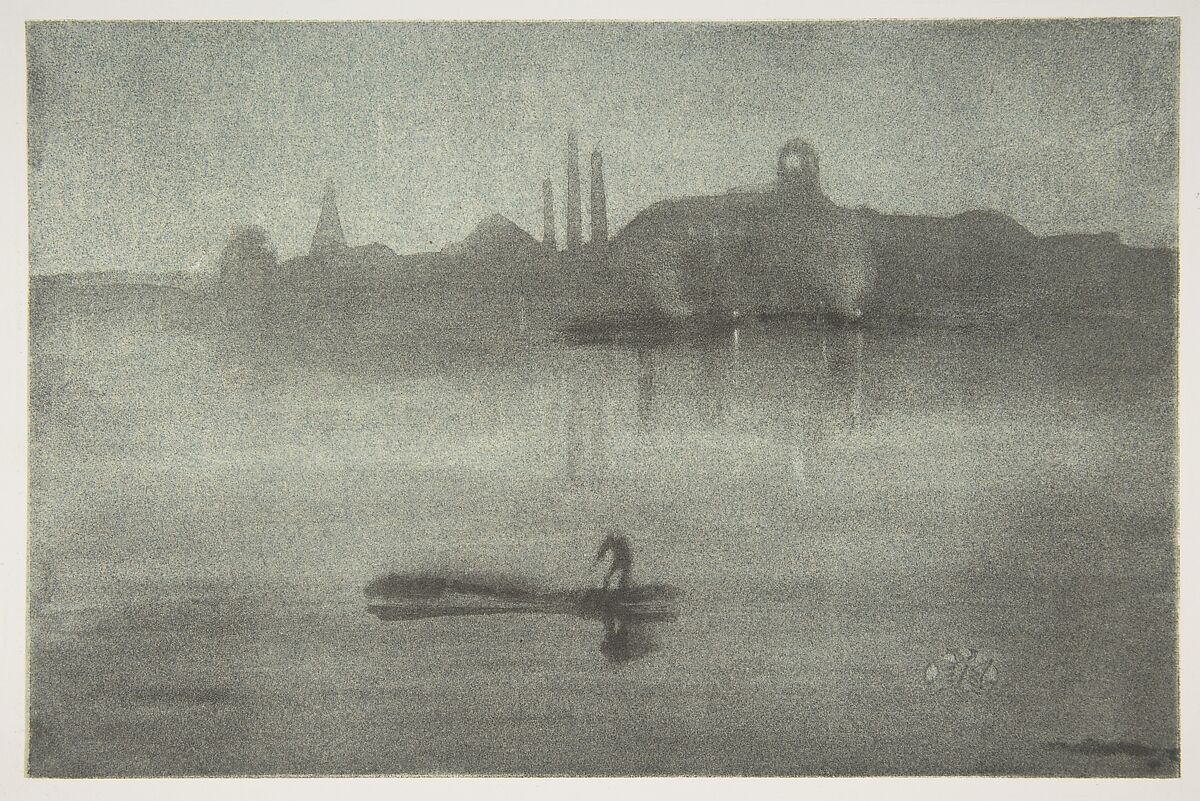
Whistler's revolutionary approach to painting emerged during a period of profound artistic transformation in the late nineteenth century. His Nocturnes series, particularly works like Nocturne in Black and Gold: The Falling Rocket, represented a radical departure from the detailed realism that dominated his era. Drawing profound inspiration from musical composition, Whistler created visual symphonies that transformed urban scenes into ethereal arrangements of tone and color. The Thames at night became his laboratory for artistic experimentation, where city lights, fog, and darkness merged into harmonious compositions that prioritised emotional resonance over topographical accuracy.
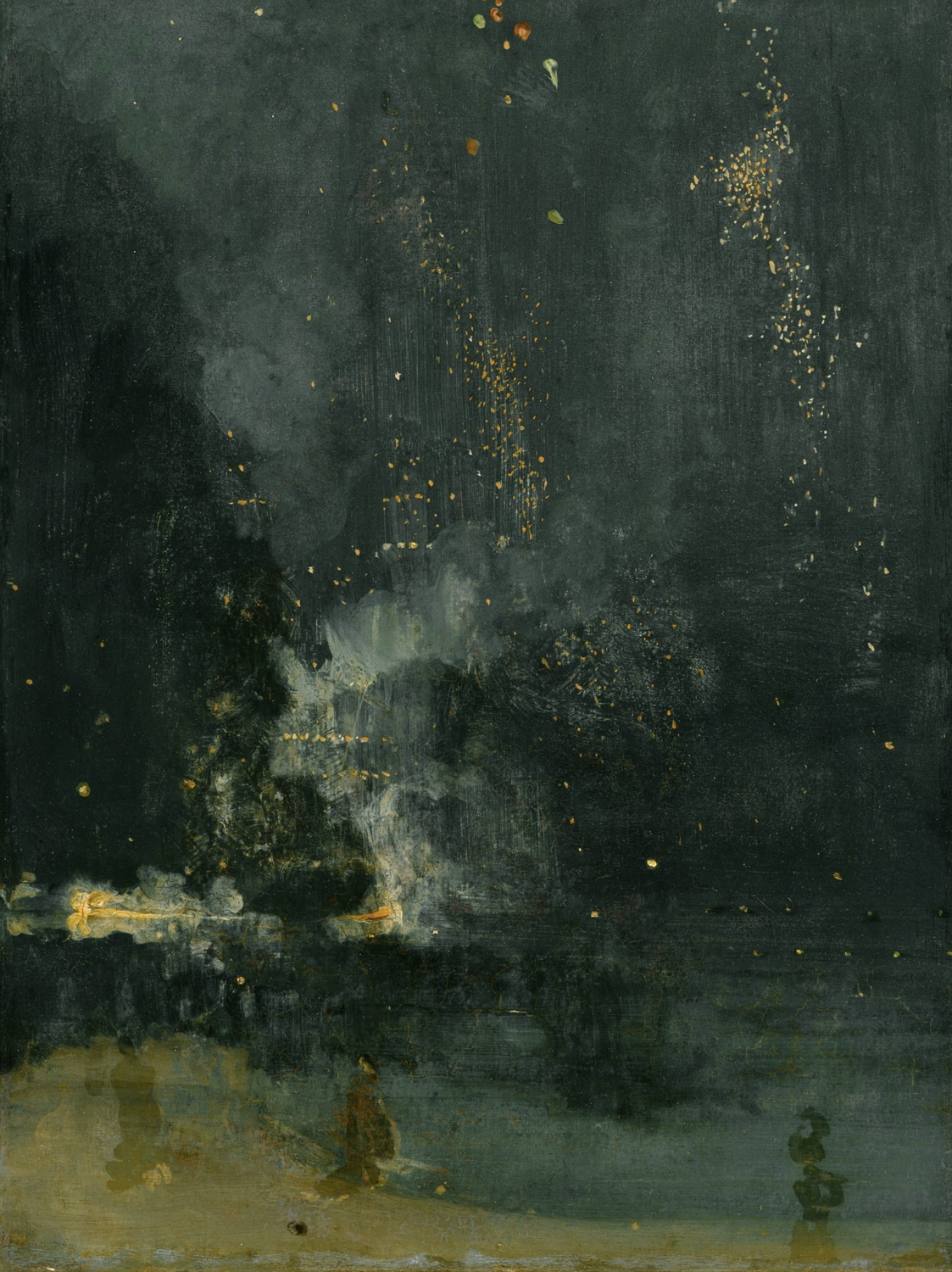
Whistler's technique was particularly revolutionary in its treatment of light. He would often work in the twilight hours, making rapid sketches of the river's changing atmosphere, later translating these impressions into finished works in his studio. His paintings captured the liminal moments when day transforms into night, when solid forms dissolve into atmospheric effects, and when the familiar cityscape becomes a dreamlike realm of subtle gradations. This approach wasn't merely technical innovation—it represented a fundamental shift in how artists could approach the relationship between observation and emotion, between the visible world and its spiritual essence.
The legacy of Turner looms large over this tradition of atmospheric painting. My recent experience viewing his works in Shanghai offered a profound reminder of his enduring influence. Turner's masterpiece Rain, Steam, and Speed exemplifies his unique ability to transmute natural phenomena into transcendent experiences. The painting, with its train emerging from a maelstrom of weather effects, demonstrates how atmospheric conditions can become powerful metaphors for human experience. Turner's technique of building up layers of translucent color, often working wet-into-wet, created a luminosity that seemed to emanate from within the canvas itself.
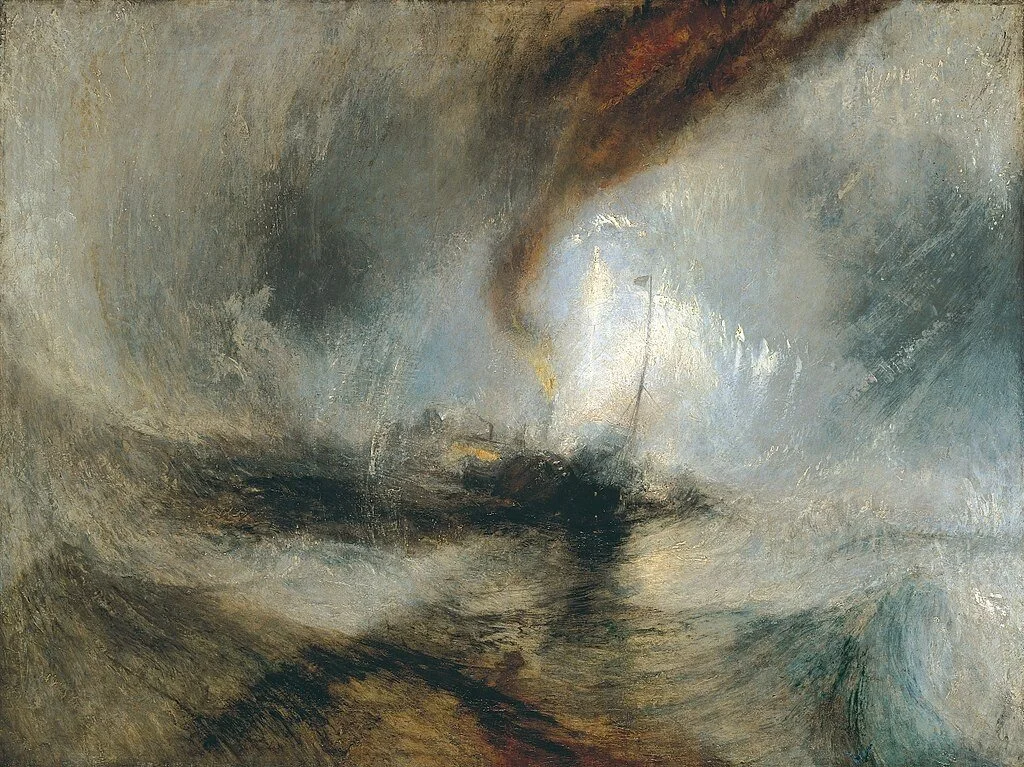
Turner's approach to light and atmosphere went far beyond mere technical virtuosity. In works like Snow Storm - Steam-Boat off a Harbour's Mouth, he pushed the boundaries of representation to their limits, creating images that hover between recognition and abstraction. The story—possibly apocryphal—of Turner having himself lashed to a ship's mast during a storm to better understand nature's fury speaks to his desperate desire to capture not just the appearance of atmospheric effects, but their emotional and spiritual impact. Watching the Turner biopic during my flight home from Shanghai deepened my appreciation for this aspect of his work, highlighting how his personal experiences informed his artistic vision.
Richard Whadcock carries this atmospheric tradition into our contemporary moment with remarkable sensitivity. His paintings of the Sussex landscapes achieve something that mere photographic documentation cannot: they capture the emotional essence of place. Through careful manipulation of horizon lines and diffused light, Whadcock creates spaces that exist in a perpetual state of becoming, never quite resolving into fixed forms. His technique involves building up multiple layers of paint, each contributing to a sense of depth that seems to extend beyond the physical surface of the canvas.
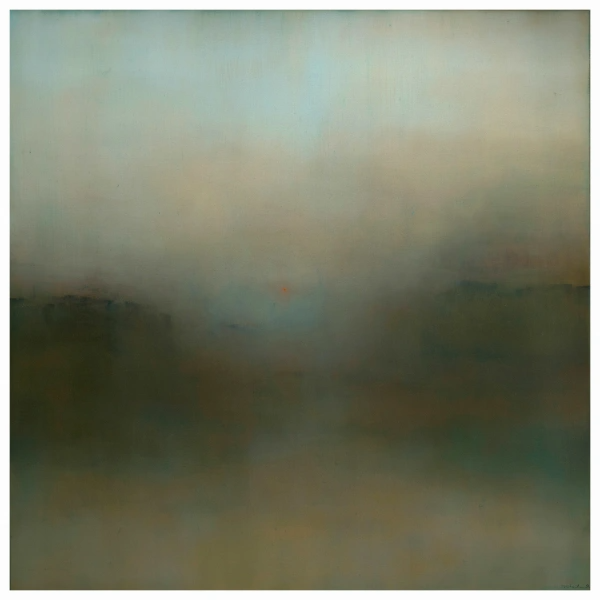
Whadcock's work demonstrates how the atmospheric techniques pioneered by Turner and Whistler remain vital tools for contemporary expression. His landscapes, while rooted in specific locations, transcend mere topographical recording to become meditations on the nature of perception itself. The muted palette and soft edges in his work create a sense of uncertainty about where one form ends and another begins, mirroring our own often ambiguous relationship with the natural world.
In my own artistic practice, particularly through my series Hidden in the Glass, I explore how digital tools can extend this rich legacy of atmospheric investigation. By blending natural and urban environments, I investigate the boundary between physical and virtual space, creating works that question our relationship with both the natural world and our constructed environment. This approach draws directly from my artistic forebears: Turner's sublime natural forces, Whistler's tonal harmonies, and Whadcock's contemporary interpretations all inform my investigation of how light transforms familiar spaces into otherworldly realms.
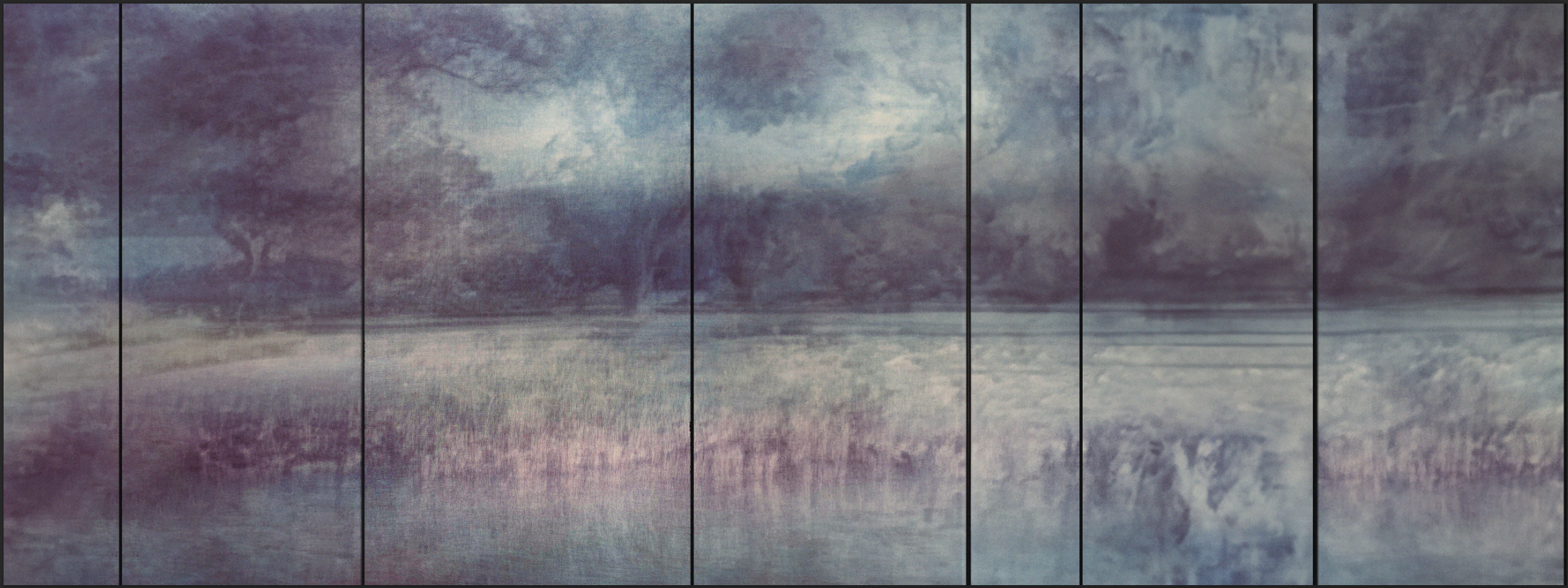
The digital medium offers unique opportunities to explore atmospheric effects. Through layering and manipulation of transparency, I can create complex interactions between different elements of a composition, much as Turner built up his surfaces through successive glazes of paint. The ability to blend and transform images digitally allows for a kind of atmospheric malleability that feels particularly relevant to our current moment, where the boundaries between natural and artificial environments become increasingly blurred.
The shared pursuit of atmospheric effect among these artists reveals art's enduring capacity to render the invisible visible. Whether through Turner's swirling maelstroms, Whistler's nocturnal harmonies, Whadcock's misty horizons, or contemporary digital explorations, we all seek to capture not just the world's appearance, but its emotional resonance. This lineage demonstrates how atmosphere in art transcends mere technical achievement to become a language of feeling—one that speaks across centuries to our deepest perceptions of space, light, and human experience.
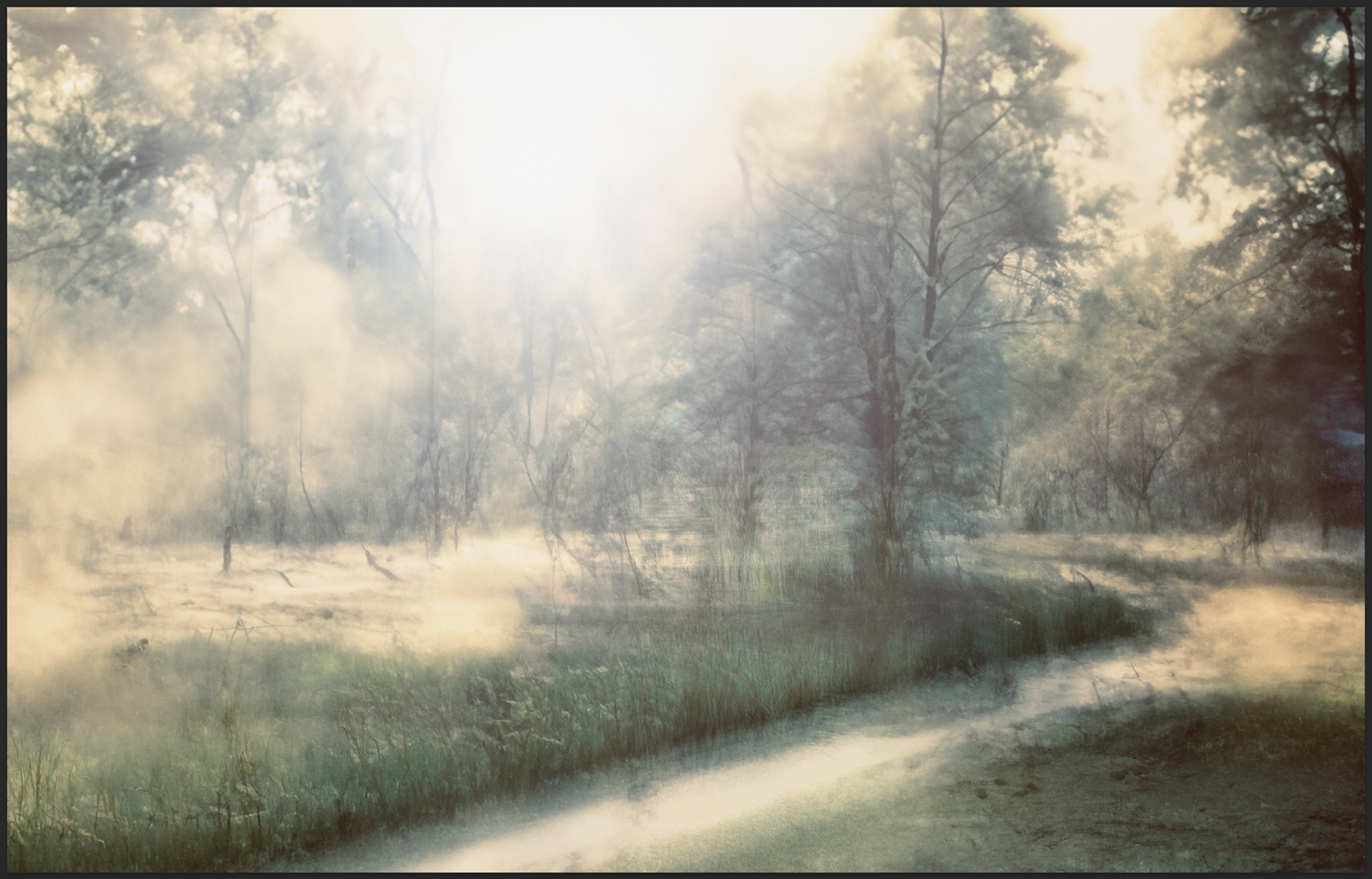
As we move further into an age where digital technology increasingly mediates our experience of the world, the lessons of these atmospheric pioneers become ever more relevant. Their work reminds us that art's highest purpose may be to reveal the extraordinary within the ordinary, to show us how light, air, and weather can speak to the most profound aspects of human experience. In continuing to explore these themes through contemporary means, we maintain a vital connection to this rich artistic tradition while pushing it in new directions appropriate to our time.
Bronisław (Bronek) Kozka