Chora, Naxos
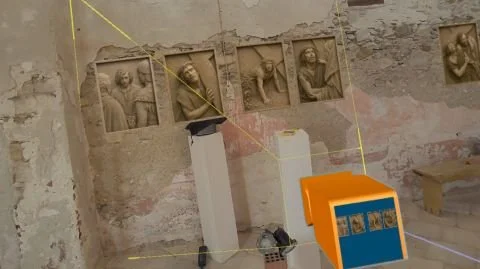
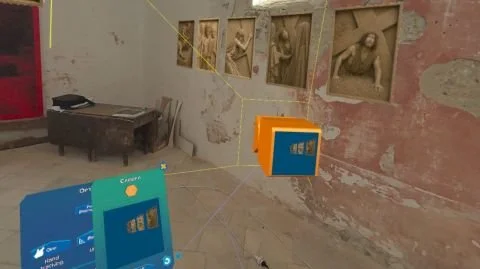
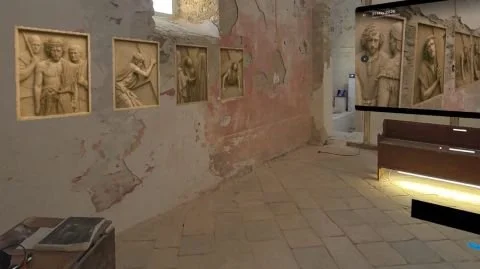
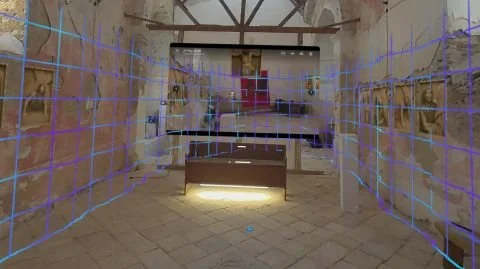
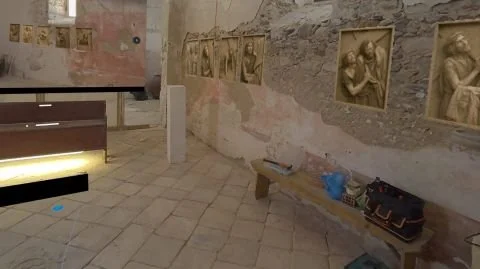
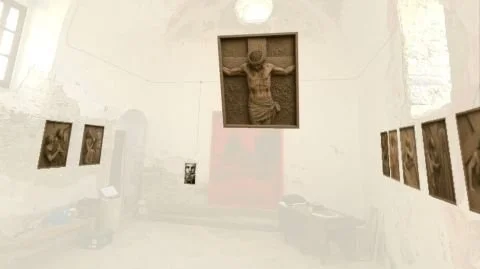
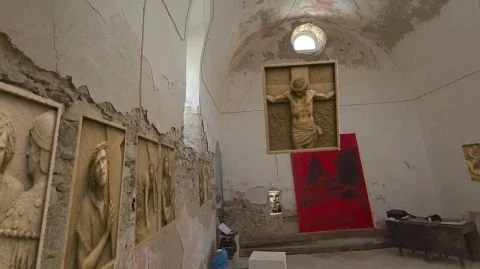
Installing the VR component of the work into the chapel through Figmin XR has turned into an unexpectedly physical process. Rather than simply placing virtual objects into a room, the work needs to respond to the architecture, scale, light, and atmosphere of the chapel itself. The installation becomes a process of walking, adjusting, testing, and negotiating with the existing fabric of the building.
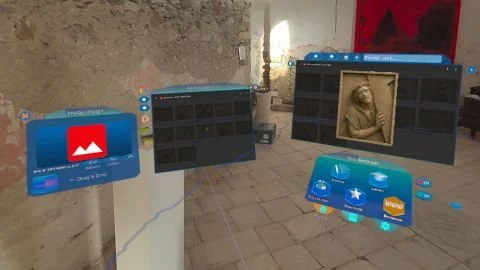
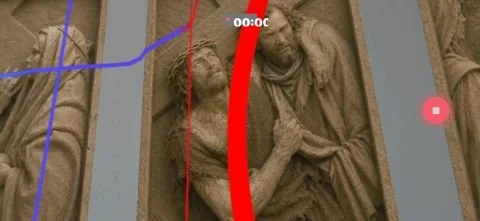
The software is surprisingly capable once you are inside the workflow. The interface, however, is frankly quite awful. Clunky, unintuitive, and often frustrating to navigate, particularly around scene mapping and object placement. Several supposedly simple adjustments became extended negotiations with the tool itself.
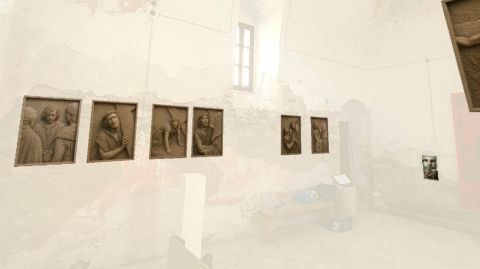
Despite that, Figmin XR remains a genuinely powerful platform for embedding virtual sculptural and photographic elements into a lived architectural environment. The digital and physical begin to coexist in a strangely convincing way. The work no longer feels projected onto the chapel, but situated within it, responding to the textures, surfaces, and history already present.
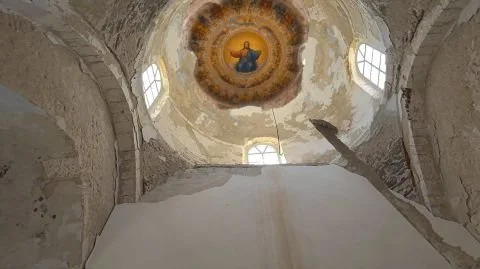
What interests me most is how this extends the Origin Image methodology beyond the photographic surface and into spatial experience. The chapel is not acting as a neutral container. Its age, atmosphere, and presence actively shape how the virtual elements are read.
There is still something quietly uncanny about standing inside a centuries-old stone chapel while positioning immaterial objects that only fully exist through a headset. That tension between the physical and the virtual is precisely where the work begins to open up.
Bronisław Kózka