During my residency on Naxos, I had originally intended to continue posting daily…
During my residency on Naxos, I had originally intended to continue posting daily updates from the studio and chapel. The reality, however, was that the work expanded very quickly and became far more immersive and interconnected than I had anticipated.
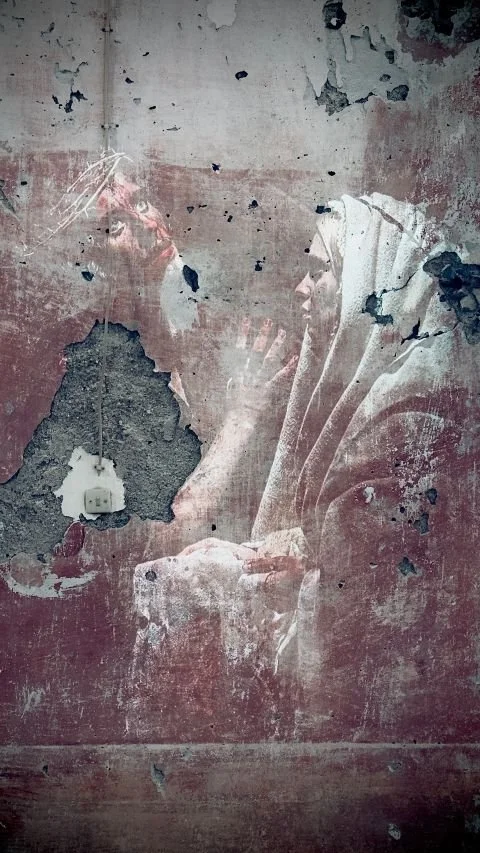
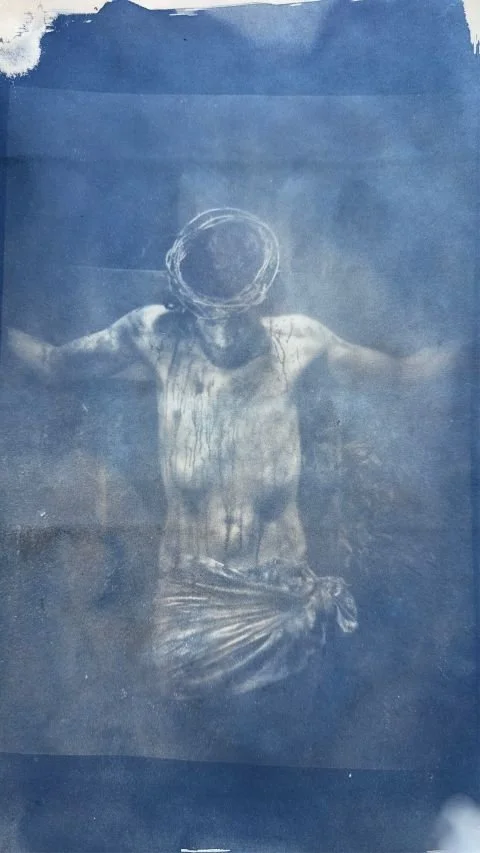
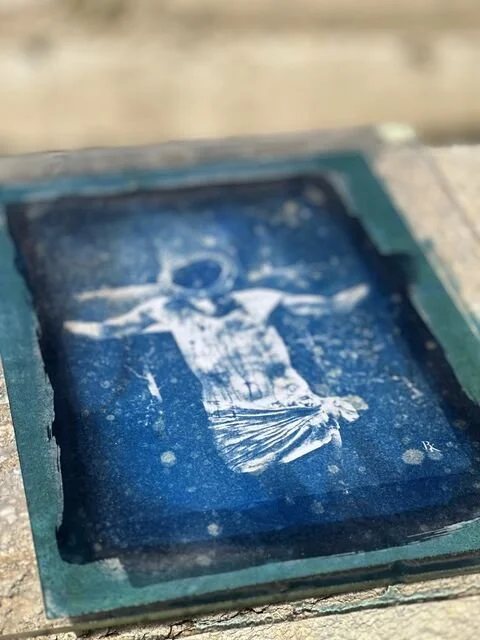
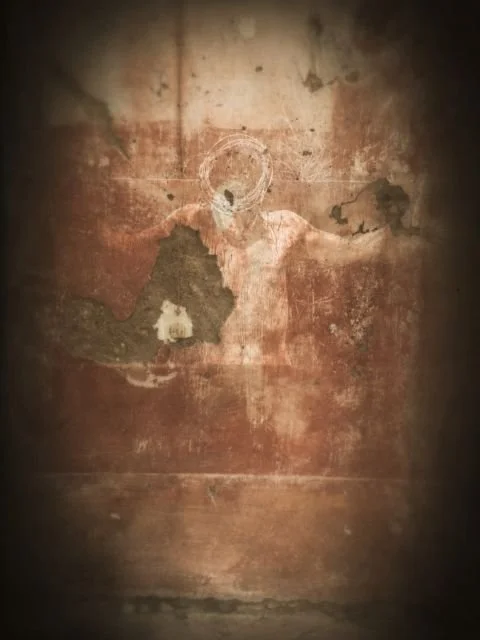
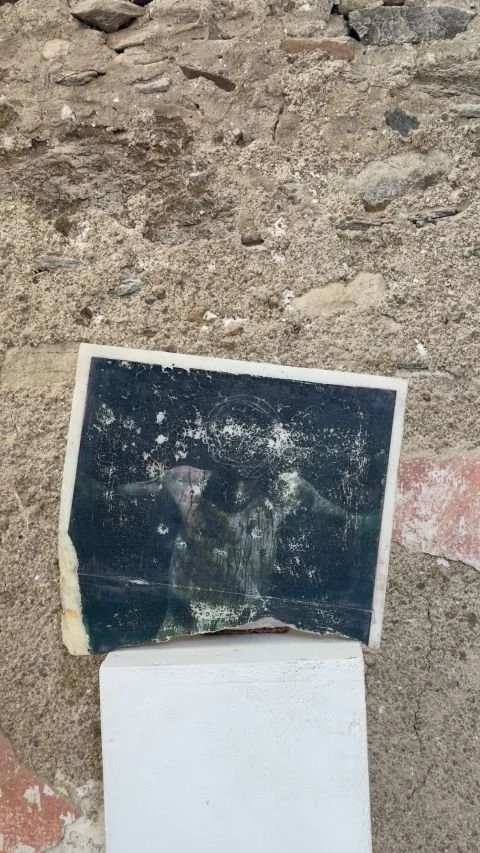
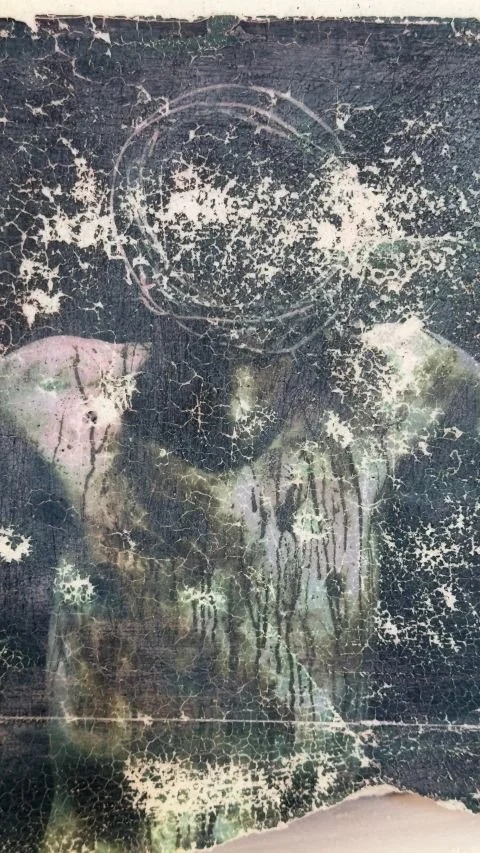
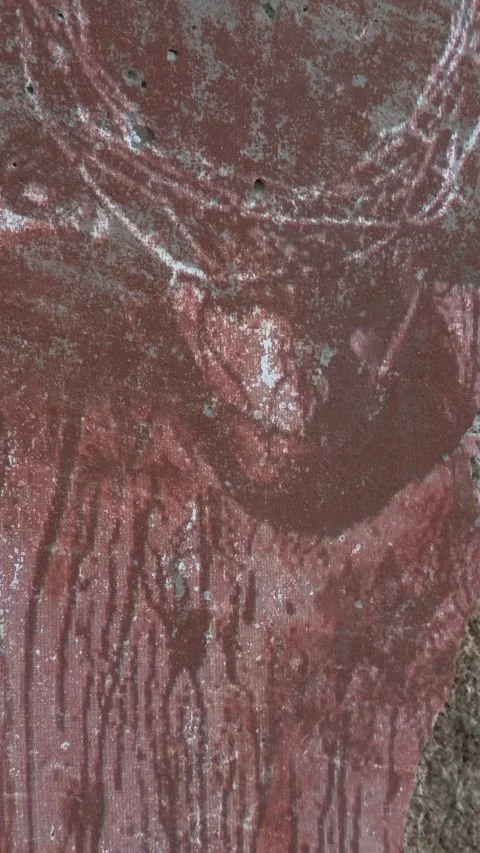
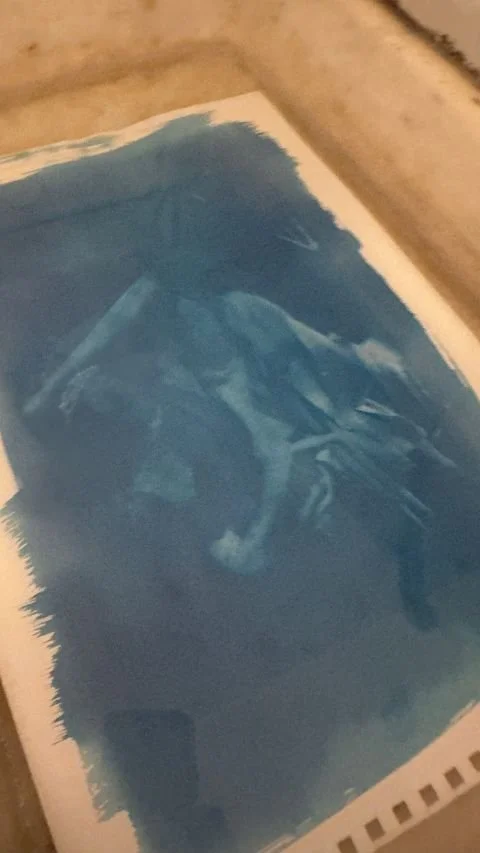
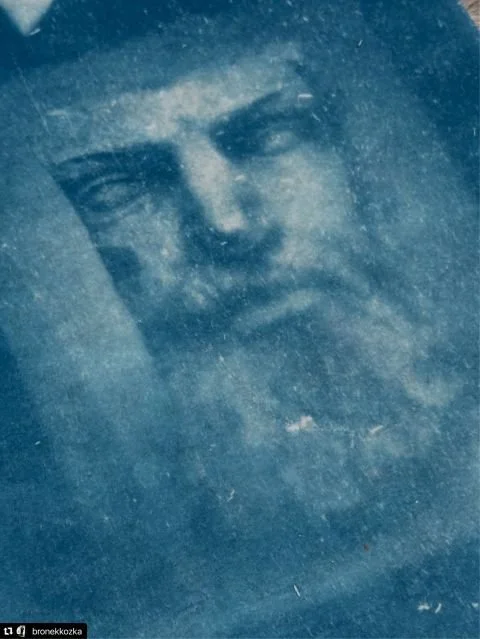
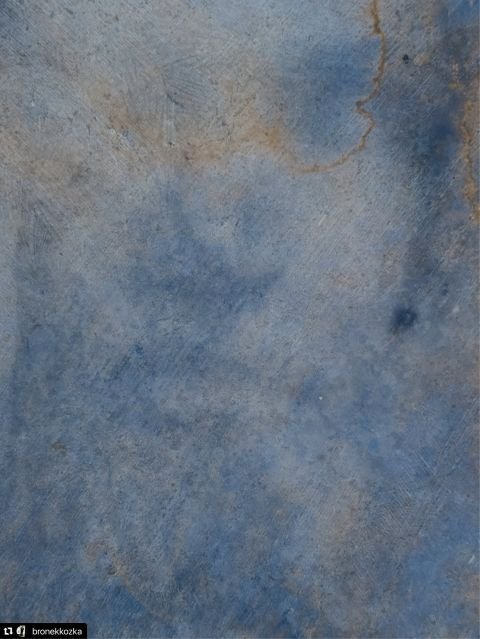
What began as experiments with cyanotypes, image transfers, marble, plaster and photographic objects has gradually evolved into something much closer to a total environment.
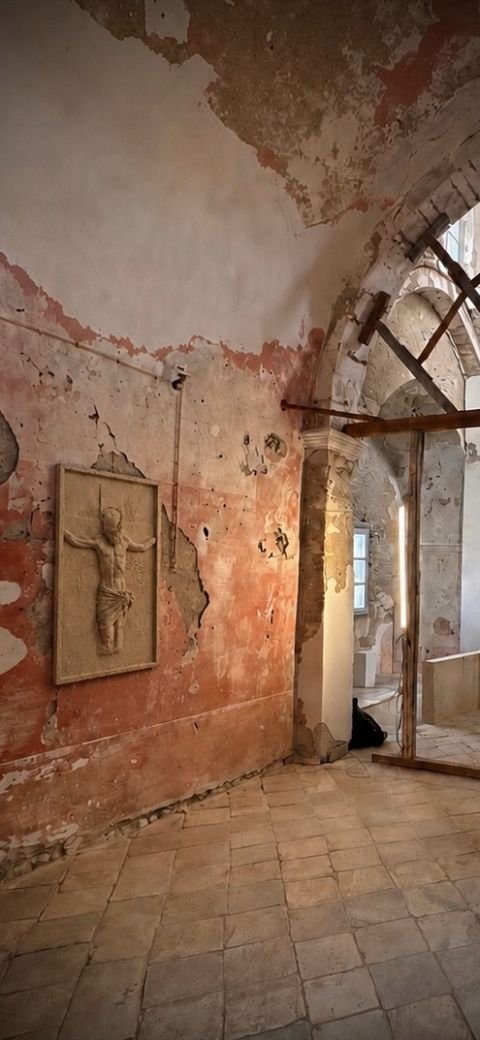
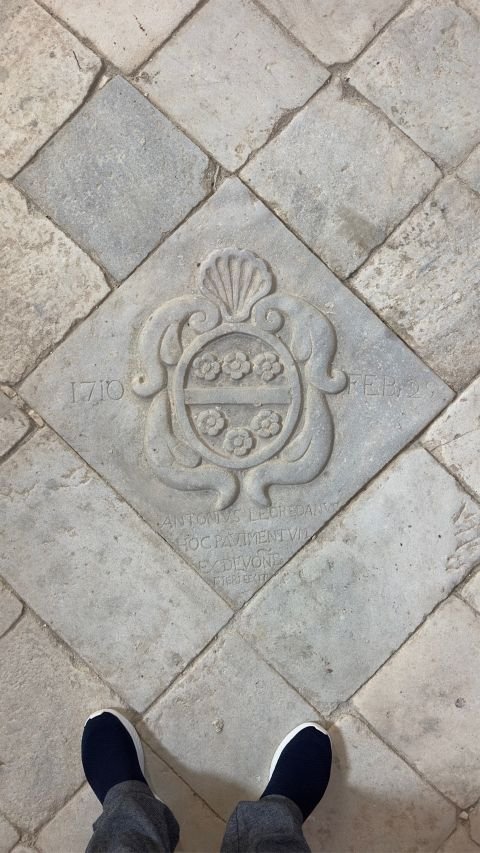
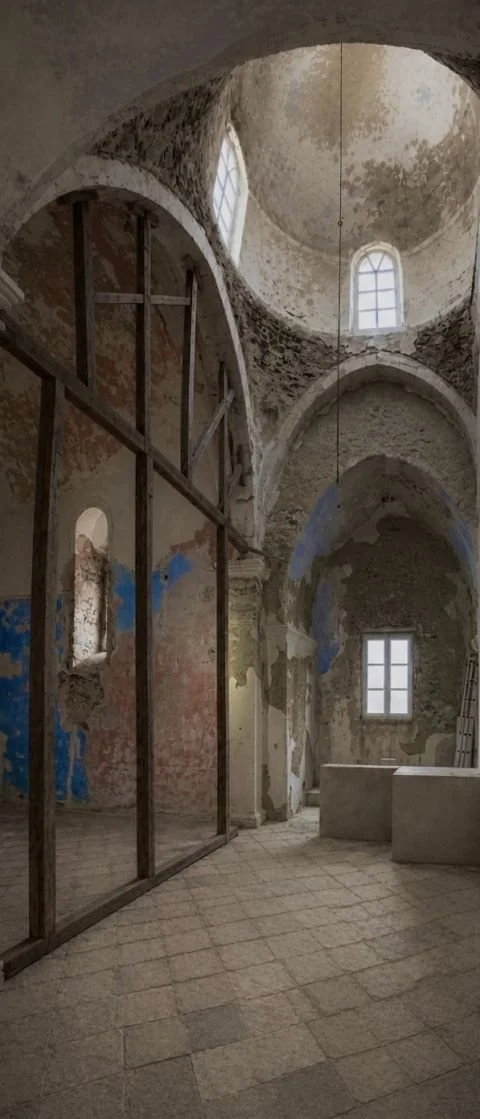
The chapel itself has become central to the work.
Rather than thinking about photography purely as a final image, I’ve been exploring the idea of the image becoming an environment: a space where physical objects, virtual insertions, sound, memory, architecture and simulation coexist.
Many of the ideas from my PhD research around constructed realities, immersive image-spaces and unstable perceptions of what is “real” have suddenly found a very direct form here.
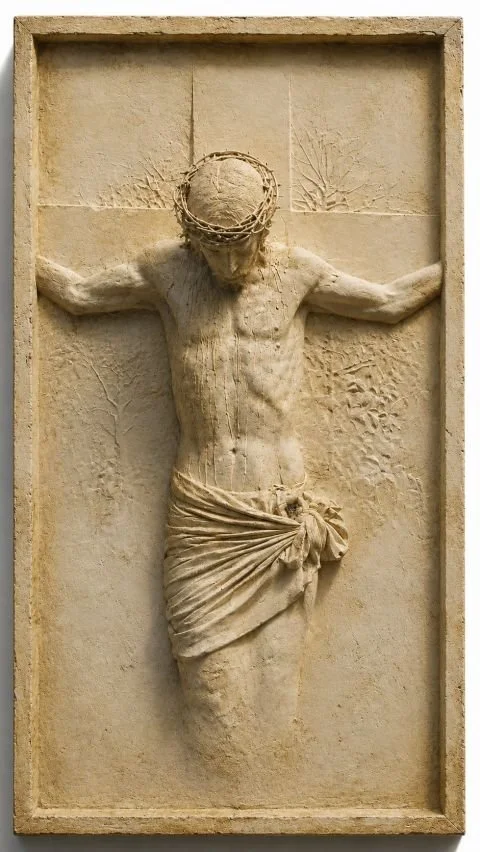
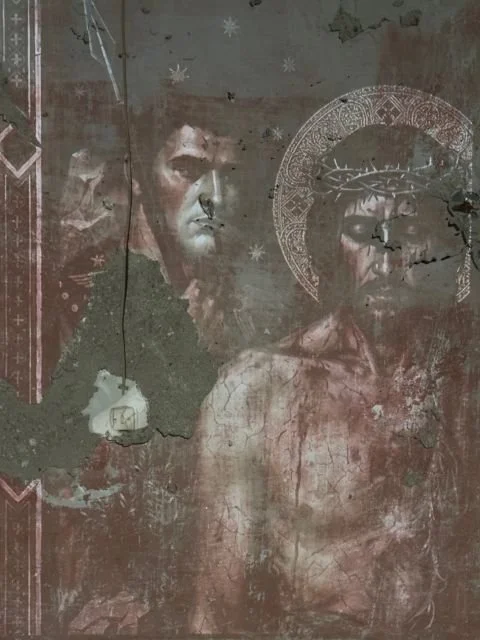
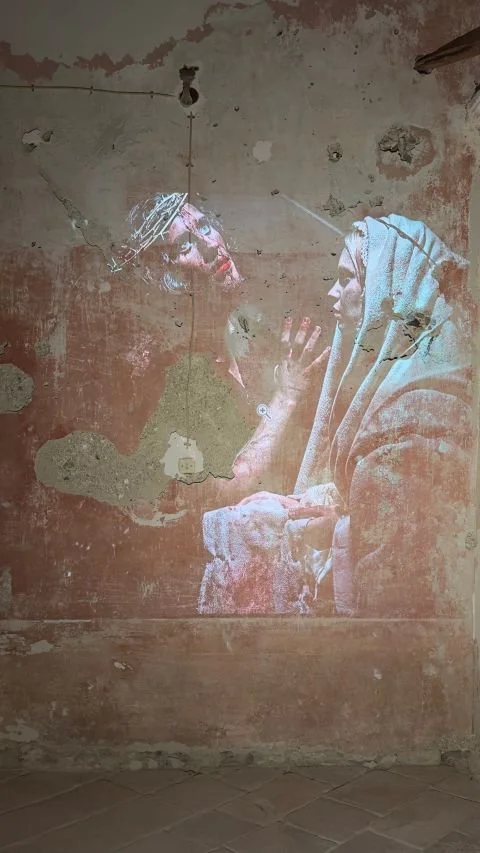
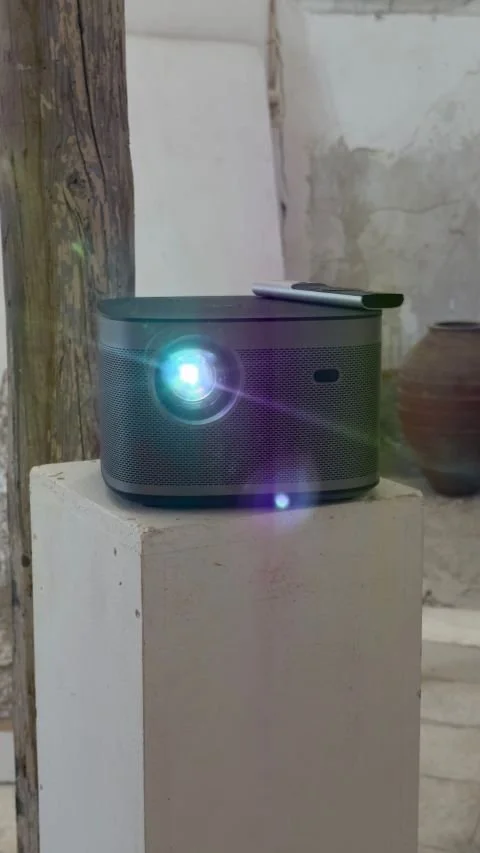
Inside the chapel, aged relief sculptures derived from photographic imagery sit alongside projected and virtual elements viewed through Meta Quest passthrough technologies. Physical devotional-style objects begin to blur with simulated artefacts. AI-generated and digitally mediated forms exist within a very real historical structure carrying centuries of material presence, damage and memory.
The experience is no longer simply about viewing an image.
The viewer moves through the image-space itself.
One of the most unexpected developments has been the integration of sound and music into the project. Alongside the visual work, we have also been developing Via Dolorosa, an album of atmospheric sacred and liturgical-inspired compositions designed specifically as part of the immersive environment. Rather than functioning as background audio, the music operates architecturally within the chapel, activating space, duration and emotional presence.
What interests me most is that none of this sits cleanly between the categories of photography, sculpture, installation, sound or virtual experience. Instead, the project exists in the unstable territory between them.
The chapel has effectively become a living composite image made from real objects, digital interventions, sound, memory and bodily experience.
It feels like an important shift in my practice:
from tableau as constructed world → environment as lived world.
And perhaps more importantly:
from the viewer standing outside the image → to existing within it.
Here is the link to Spotify