Echoes of the (my) Past: Architecture, History, and Personal Reflection at Melbourne Holocaust Museum
I recently took a group of my architectural photography students to the Melbourne Holocaust Museum. We where very fortunate to have an introduction by the CEO Jayne Josem and then a presentation from one of the architects from kerstin thompson architecture, Associate Principal Claire Humphreys, about the museum and they they approached the re-development of it. A week later we returned to photograph it.
This is part of my ongoing commitment to creating a connected culture, where students, academics, industry partners & industry contributors work closely together to learn and grow. I can not thank Jayne, MHM and KTA enough for participating. And a very special thank-you to Dr Simon Holloway who was instrumental in making this happen.
The primary focus of this project was the architectural aspects. However, it necessitated a deep understanding of the building's use, purpose, and significance. This museum compels us to understand, listen, read, and research the Holocaust, in addition to the museum's own history. It was established by survivors.
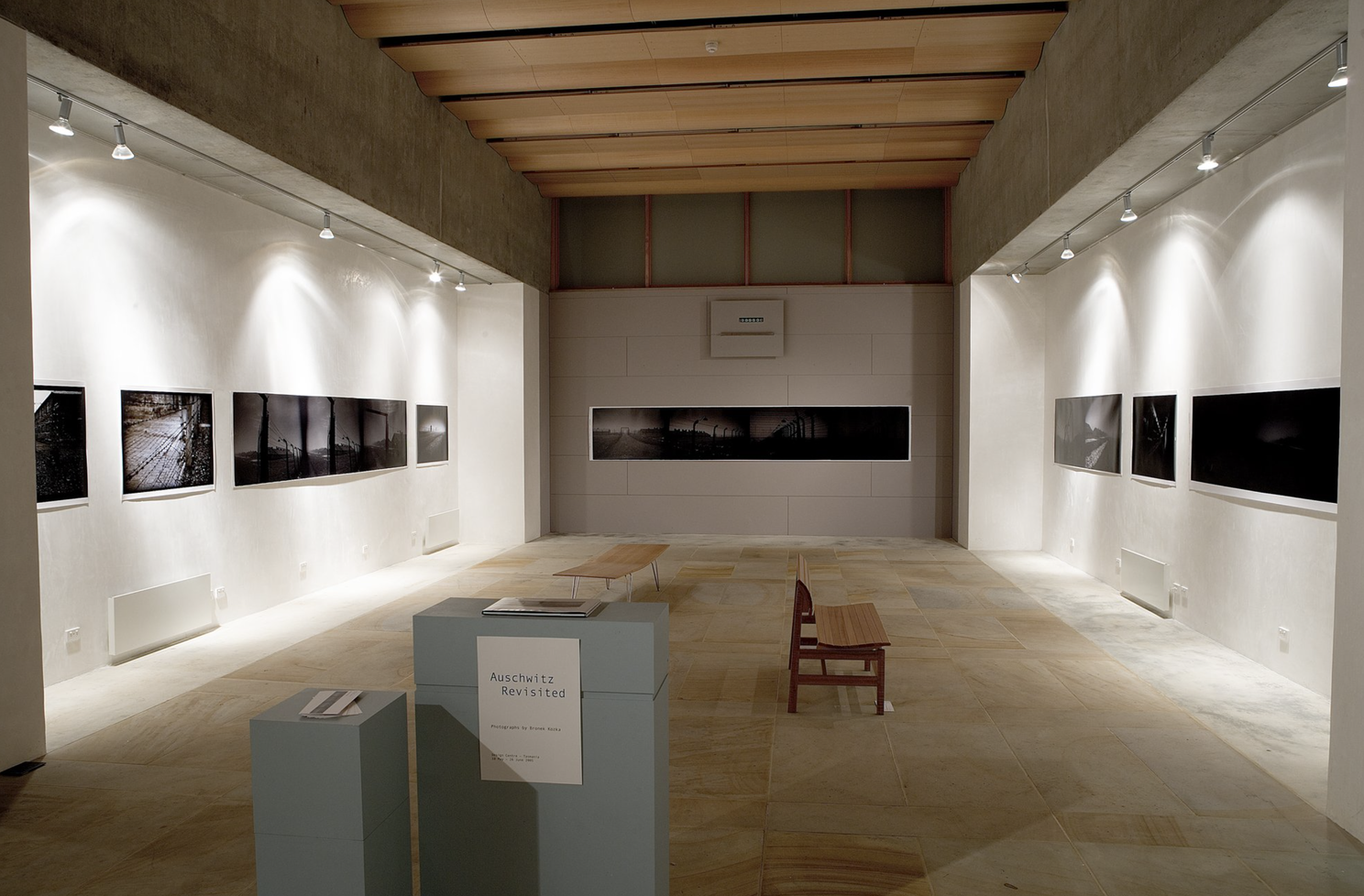
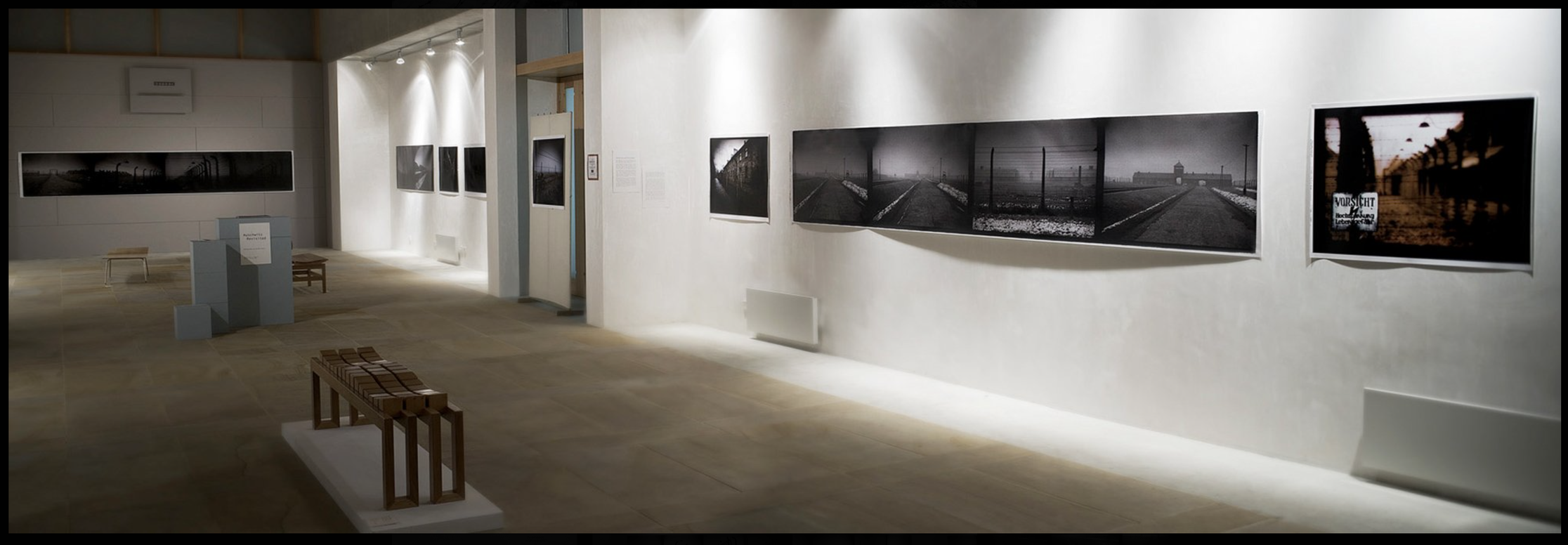
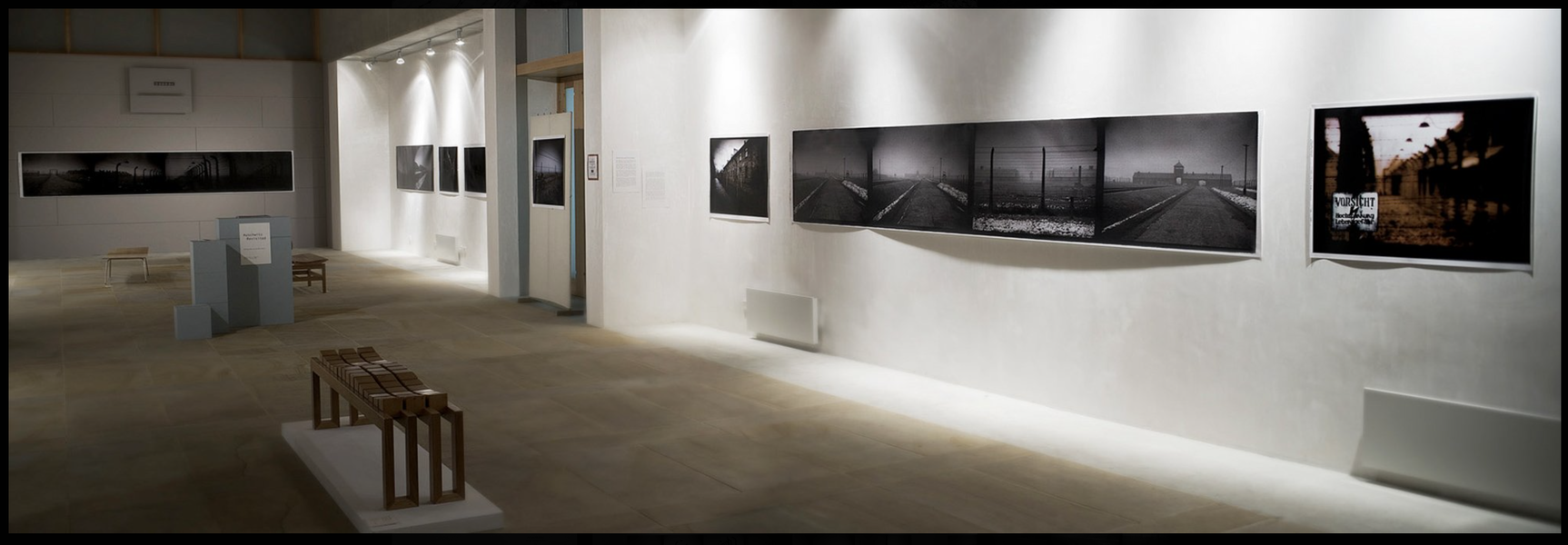
This experience prompted me to recall and reflect upon my own family history and a series I created and exhibited several years ago. I have included excerpts from that exhibition, some images, and a link.
https://www.kozka.com/auschwitz-revisited
---
These images are not just a chronicle of places but a testament to my inner journey, surpassing any others I've crafted. Their significance touches multiple dimensions of my being: emotional, creative, and historical. They symbolise transformative moments in my personal growth and artistry.
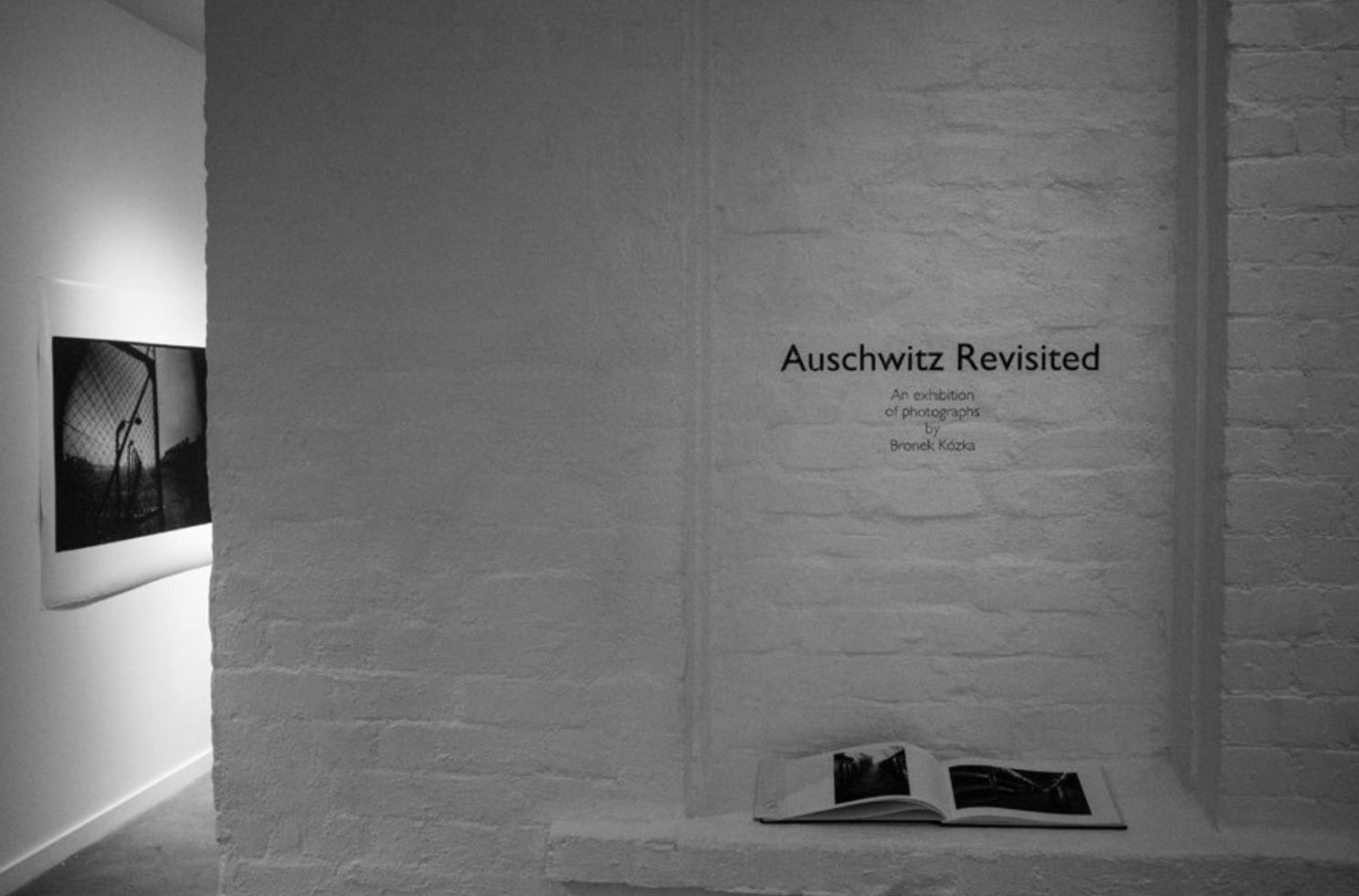
My 24th birthday, on the 2nd of February 1994, marked the start of a pilgrimage to Poland. I've always carried a deep-rooted pride in my Polish heritage, a significant aspect of my upbringing. The tales of pre-World War II Poland from my father's nostalgic memories, contrasted with my aunt's accounts of a grim communist era in the 1970s, underscored this. But, I longed for a Poland that was uniquely mine—a fresh perspective to frame my understanding of my roots.
As I crossed the Polish border, the guards were baffled by the paradox of my Polish name, Bronislaw Kózka, juxtaposed with my inability to speak the language fluently. This duality resonated within me too. Although my heart swelled with Polish pride, I'd never mastered the language's rhythms.
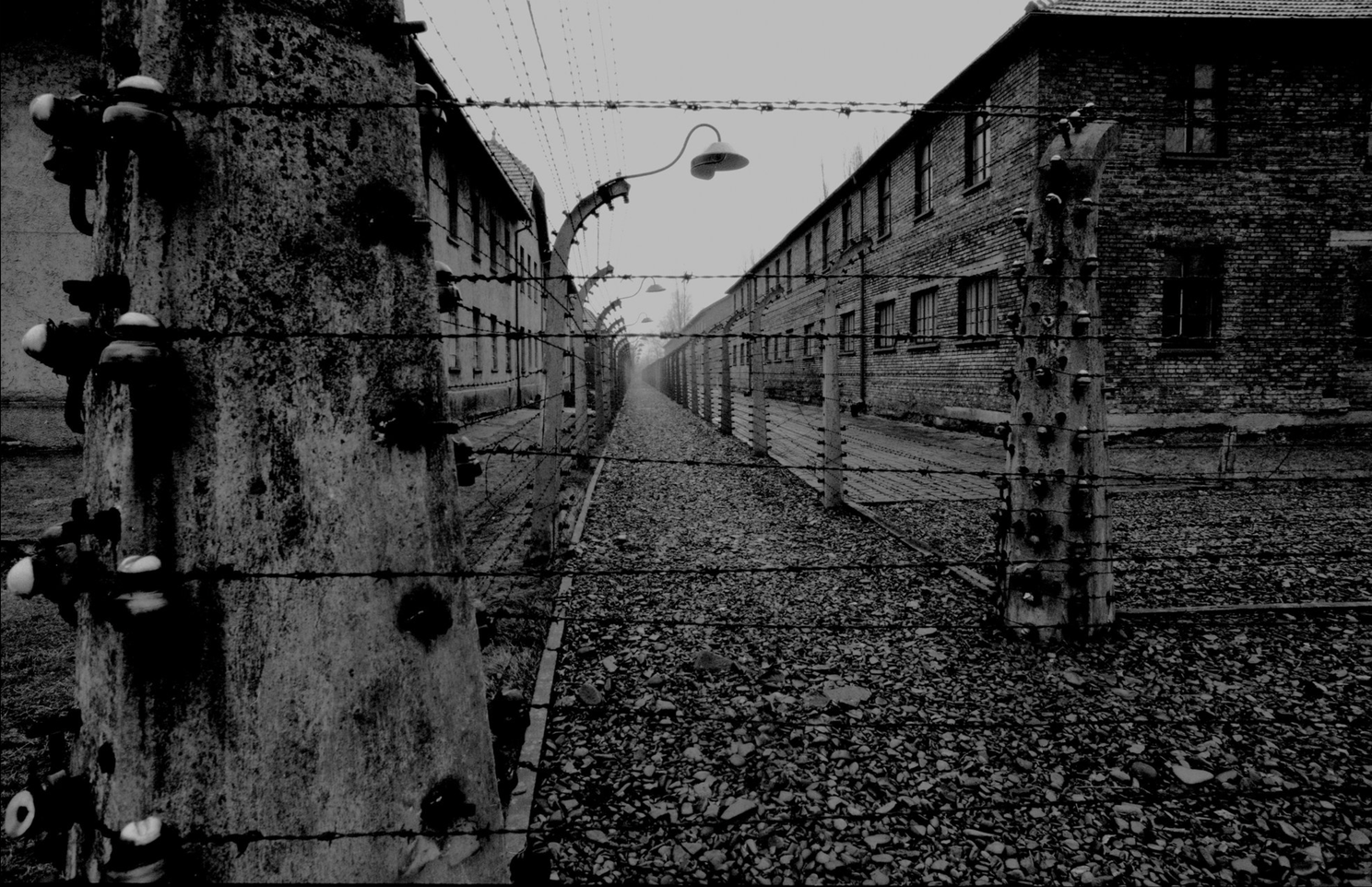
In this journey, I sought not just a reunion with the soil of my ancestors but to envisage Poland through my lens, free from the tinted views of my family. I immersed myself, absorbing without overanalysing, letting my camera capture raw, unfiltered moments.
Winter in Auschwitz enveloped me in a silent cold, with not a whisper of wind disturbing its solemn stillness. While I had educated myself on the Holocaust, visiting the sites of Dachau previously, nothing prepared me for the magnitude of Auschwitz. Standing there, amid the frosty expanse, my gaze settled on what seemed like endless columns. A closer look revealed they were chimney stacks, and the sheer vastness of the horror became palpable.
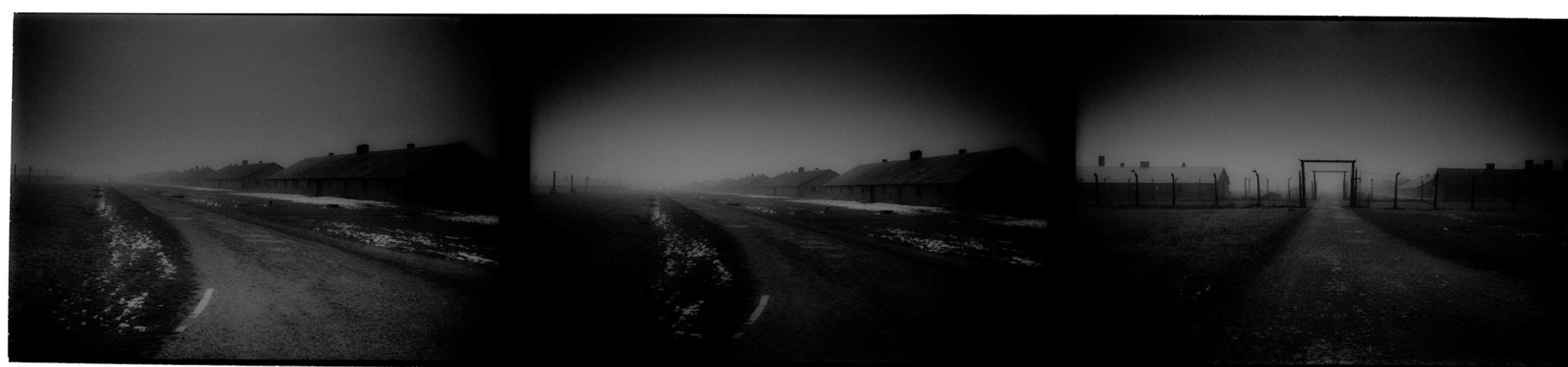
I grappled with the ethics of capturing this place in photographs, recalling the intrusive snapshots of tourists I'd seen at Dachau. But something compelled me to shoot. Maybe it was an instinctual shield, distancing myself from the raw pain of the place, or maybe it was my intrinsic way of connecting with the world.
The drive back to Krakow, passing through Wilamowice—my family's town—brought a chilling realisation. The proximity of Auschwitz to my family's home, and the thought of my Jewish grandmother who converted to Catholicism, my father, and my uncle—how easily they could've been among the souls lost there, made history a living, breathing entity.
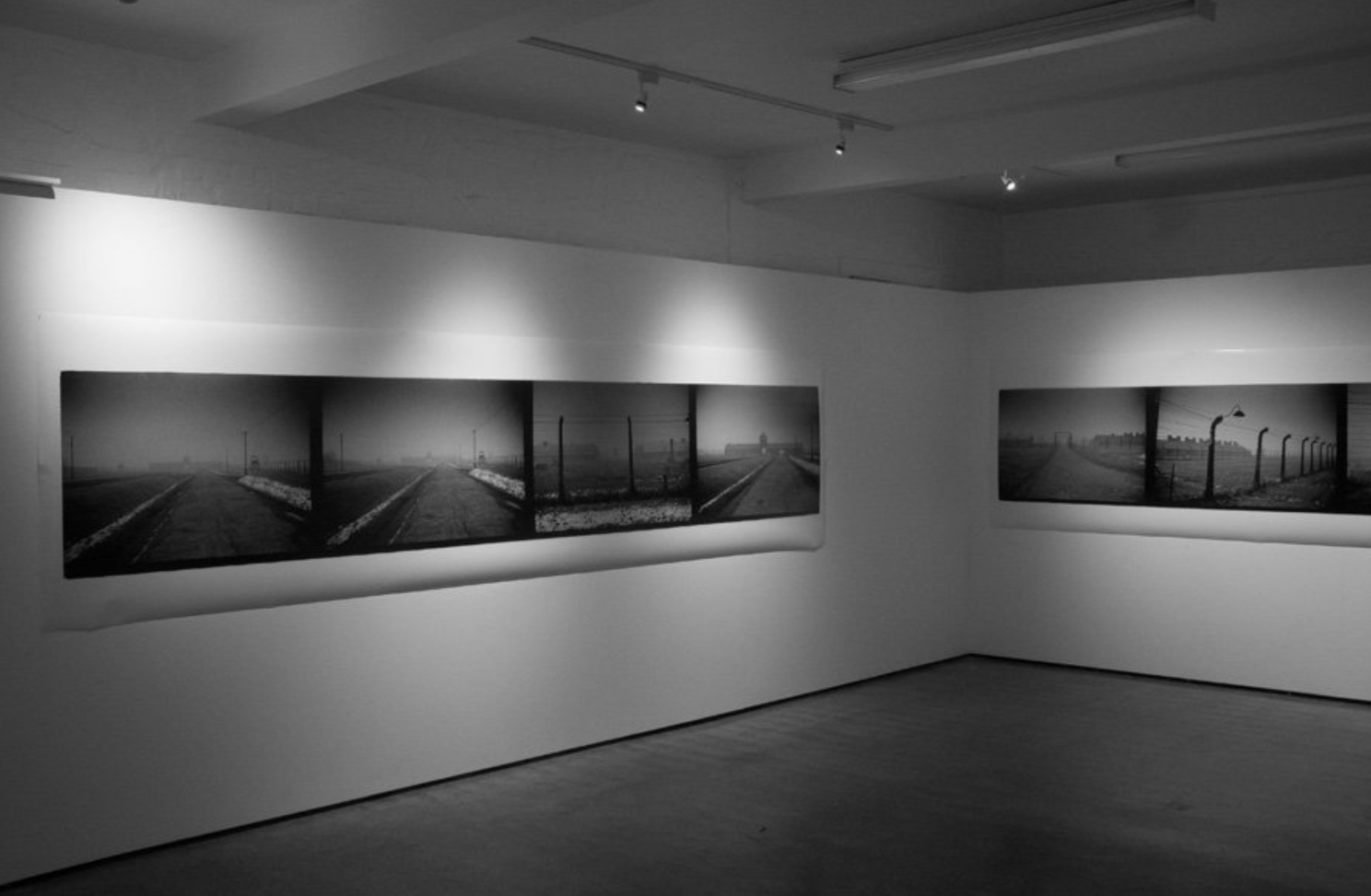
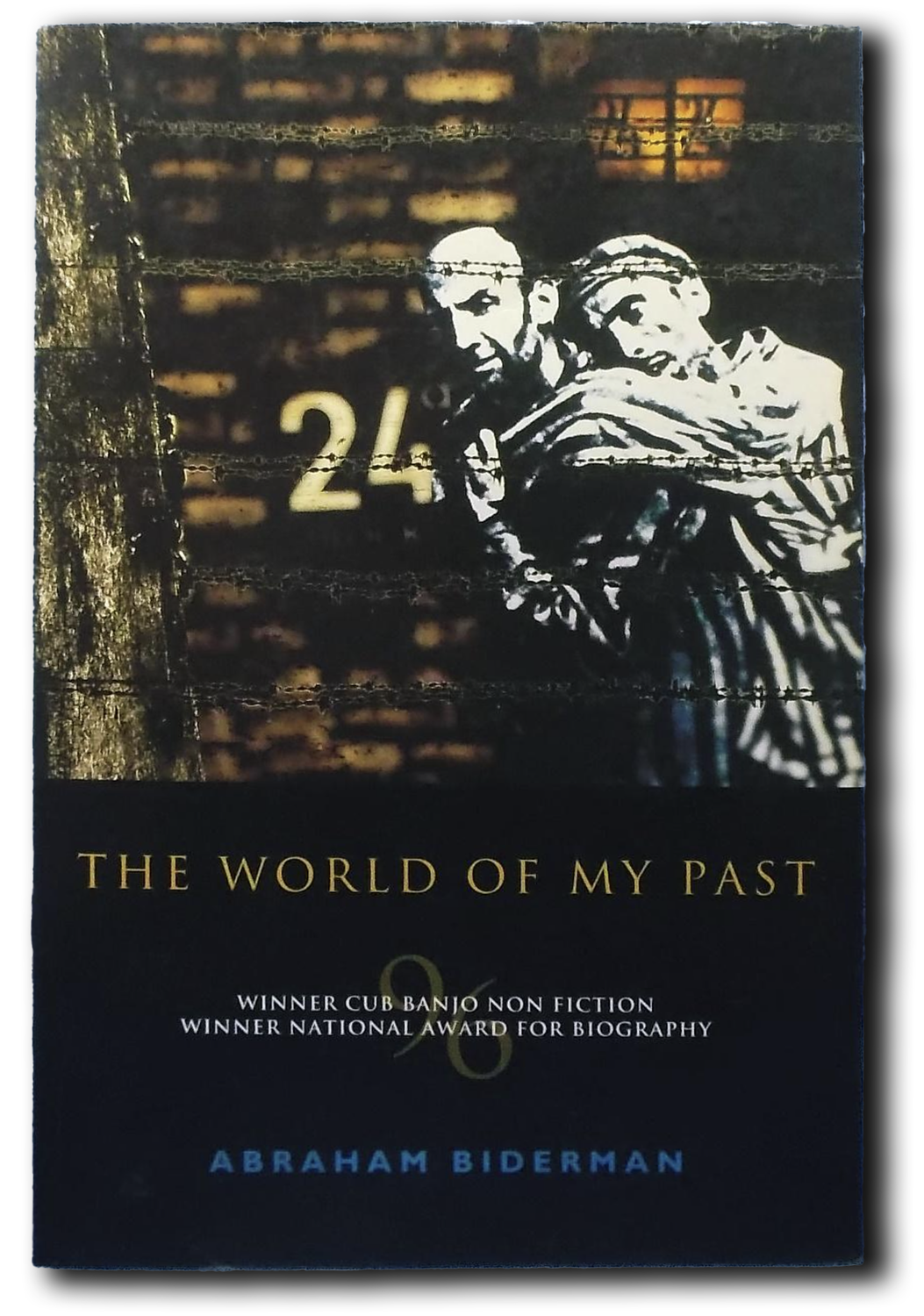
Back in Melbourne, I let the images marinate, untouched, for half a year. It took another four months before I even developed the films. From these, I produced large-scale monochromatic prints, which found their way onto educational platforms, with a composite image becoming the cover for "The World of My Past" by Abraham Bidderman. The exhibition resonated differently with viewers. Some saw personal, poignant stories; others gained educational insights. For me, it was a revelation that transformed my artistic expression.
While I may never completely decode Poland's profound place in my heart, this journey has enriched me, introducing layers to my art and self that I'd never previously recognised.