

It all starts with a character...
In character-driven tableau photography, I have the opportunity to explore various themes and concepts related to the human experience. Whether it's delving into identity, relationships, societal issues, or psychological states, the characters serve as vessels for these explorations. They add depth, complexity, and a sense of authenticity to the visual composition.
Tableau and staged photography encompass a wide range of approaches and techniques employed by various practitioners. These approaches, although distinct, contribute to the rich and diverse field of photography.

Alastair Sinclair - Bronek Kozka
Practitioners of tableau and staged photography utilize different methods to create visually captivating and conceptually layered images. They share a common goal of constructing scenes within the frame of a photograph, manipulating elements to convey narratives, evoke emotions, and explore symbolism.
Within this broad category, there are numerous photographers who have made significant contributions to the field. Some notable practitioners include Gregory Crewdson, Cindy Sherman, and Jeff Wall. Their works demonstrate the diverse approaches and artistic visions within tableau and staged photography.
Gregory Crewdson is renowned for his elaborate and cinematic scenes that blur the boundaries between reality and fiction. Cindy Sherman explores themes of identity and gender through self-portraits in which she transforms into various characters. Jeff Wall's large-scale photographs reference historical painting and employ intricate staging to convey complex narratives.
These photographers, along with many others, have created a wide variety of tableau and staged photographs, each with their own distinctive approach and artistic vision. Their contributions showcase the immense potential of this genre to produce visually stunning and thought-provoking images.
In my approach to tableau photography, I am driven by the characters themselves. It all begins with a spark—an old family photograph, a fleeting memory, or a personal recollection. From there, I delve into the depths of these characters, exploring their complexities and bringing them to life.
As I develop these characters, the scene begins to unfold. Their stories, emotions, and relationships shape the narrative that I aim to capture. It's a deeply introspective process, allowing me to delve into the human experience and convey it through my photographs.
Contrasting my approach is the work of Jeff Wall, a renowned artist in the field of tableau photography. Wall takes an observational stance, meticulously recreating real-life scenes that he has encountered. His attention to detail and ability to mimic reality are awe-inspiring.
In his images like "A Man with a Rifle" (2000) and "Mimic" (1982), Wall captures significant moments from everyday life, meticulously reconstructing them to evoke emotions and tell stories. His work carries a cinematic quality, drawing viewers into the scene.

While Wall's approach focuses on faithfully recreating observed moments, my perspective centers on character-driven storytelling. I seek inspiration from within, drawing from personal experiences and memories to create a narrative that reflects my vision. By delving into the depths of the characters, I aim to convey their emotions, connections, and struggles.

Both approaches contribute to the rich tapestry of tableau photography, offering diverse perspectives and narratives. While Wall's work captures the essence of observed scenes, my approach emphasises the intimate exploration of characters and the stories they have to tell.
From that starting point, I begin to develop the characters who will inhabit my scenes. I delve into their backgrounds, their personalities, and their motivations. It's an exciting process of exploration and discovery as I breathe life into these fictional individuals.
Working closely with models or actors, I collaborate to bring these characters to life within the tableau. I guide their poses, expressions, and interactions to ensure that the emotions and narrative I want to convey are captured in the final image. The characters become the focal point, driving the story and creating a connection with the viewer.

In character-driven tableau photography, I have the opportunity to explore various themes and concepts related to the human experience. Whether it's delving into identity, relationships, societal issues, or psychological states, the characters serve as vessels for these explorations. They add depth, complexity, and a sense of authenticity to the visual composition.

Kew House Series: Dinner Time - Bronek Kozka
When I first started working with tableau photography, I must admit that my focus was more on the technical aspects rather than the story itself. Aesthetics often took precedence, and the narrative would sometimes be driven by the visual elements rather than the underlying idea or concept. Even when it came to casting, my choices were primarily based on looks and instinct, often working with models rather than actors.
However, as I progressed, I began to realise that the characters within the tableau needed to be more than just figures in the frame. They needed to be living, breathing, three-dimensional beings with depth and complexity. I found myself frustrated when the story wasn't clear or when the characters lacked substance. It was easy to get lost in the process without a solid foundation.
That's when I decided to develop a more rigorous approach to character development. I understood the importance of fully evolving the characters, providing them with detailed backstories and rich personalities. By investing time and effort into crafting well-rounded characters, everything became easier. I could understand their motivations, predict their actions, and effectively direct them within the tableau.
Creating characters with enough depth and detail allowed me to connect with them on a deeper level. I could empathize with their experiences, their desires, and their struggles. As a result, the narratives within my tableau became more compelling and authentic. The characters became the driving force behind the story, and every choice I made, from the composition to the lighting, served to enhance their presence and communicate their emotions.
Through this process of developing fully realized characters, tableau photography transformed for me. It became a medium through which I could explore the human condition, tell meaningful stories, and evoke genuine emotions in viewers. The tableau became a stage where these living, breathing characters could come to life and engage with the audience in a profound way.
Now, every tableau I create is driven by the characters and their stories. They guide my decisions, inspire my compositions, and ultimately shape the narrative that unfolds before the lens. They are no longer mere props or aesthetically pleasing figures but individuals with their own journeys and voices, adding depth and authenticity to the tableau.
I have always believed that having well-developed characters with intricate details is one, if not the most important supports for planning and pre-production. This belief continues to hold true, and I aim to demonstrate its significance through the approach I am about to share. By creating characters with depth and specificity, I can envision their wardrobe choices that align with their personalities, ensuring that their clothing reflects their individual style and contributes to the overall visual composition. The same goes for props and set design; I can select objects and settings that are consistent with the characters' backgrounds, interests, and lifestyles. This attention to detail enhances the cohesiveness and believability of the tableau. This is especially important when working with a team, producer, hair & make-up, stylist etc.
In essence, this approach to character-driven tableau photography is not merely a theoretical concept; it is deeply ingrained in the mechanics of my creative process. By investing time and effort into developing rich and multi-dimensional characters, I create a solid foundation for my storytelling.
What Is Character Development?
Character development in the context of tableau/stills photography involves the process of creating compelling and multi-dimensional characters with depth and clear motivations. While character development in writing or film may also encompass the changes a character undergoes throughout a story, in photography, it primarily focuses on crafting a character that resonates visually.
It's essential to avoid fixating solely on the external appearance of the character when embarking on character development. Instead, the emphasis should be placed on building the character's personality, background, and desires. By workshopping ideas and delving into the intricacies of the character's inner world, their face and physical attributes will naturally come into sharp focus.
Character development in photography is about constructing individuals who feel real and authentic within the tableau. This involves exploring their backstory, motivations, and relationships, just as one would in writing or film. By investing in this process, the resulting characters will possess a greater sense of depth and relatability, allowing viewers to engage with them on a more profound level.
Remember, character development in tableau photography is not solely about aesthetics. It is about bringing to life fully formed individuals who resonate with the viewer through their emotions, actions, and connections within the scene. By prioritizing the development of characters before focusing on their outward appearance, you can create captivating and compelling narratives that transcend the visual realm.

Developing characters for tableau photography shares many similarities with developing characters for short screenplays or films. In addition to utilizing questionnaires as a starting point, there are various aspects and questions that can greatly enhance the depth and complexity of your characters. The more comprehensive your understanding of the characters, the smoother the process of directing, styling, and collaborating with the actors portraying them. While the list of questions is extensive, here are a few essential ones to consider:
1. What are their core desires and goals? Understanding what drives your characters will shape their actions and decisions within the tableau.
2. What are their fears and insecurities? Exploring their vulnerabilities adds layers of authenticity and relatability to their persona.
3. What is their backstory and personal history? Knowing their past experiences and relationships provides insights into their behaviour and motivations.
4. What are their values and beliefs? Understanding their moral compass and worldview will inform how they interact with others and navigate the tableau's environment.
5. What are their relationships and connections? Examining their dynamics with other characters adds depth and complexity to their interactions and emotions.
These questions serve as a starting point to delve into the intricacies of your characters. However, feel free to expand beyond these five and explore additional aspects that contribute to their complexity. By immersing yourself in their world and uncovering the nuances of their personality, you can develop fully realized characters that captivate viewers and enhance the storytelling within your tableau photography.
Over the years, I have utilized various questionnaires to develop my characters, adapting existing ones found online and even creating my own from scratch. The key has always been to delve into greater detail and depth.

The Den - Bronek Kozka
Let me provide an example for a recent project:
For this particular scene, I envisioned a setting in 1980s Los Angeles, centred around two characters employed at an advertising agency. One character is a senior executive while the other is a younger individual working in the art department. The older man is married but is having a clandestine affair with the younger man. The overall feel, or sentiment of this piece is inspired by the work of Bret Easton Ellis, The Informers, American Psycho, & Less than Zero.
To bring these characters to life, I began by asking a series of questions:
1. What is your character's full name?
- Jonathan Parker
2. What is your character's age and birth date?
- Age: 54
- Birth date: June 8, 1934
3. Where was your character born and raised?
- Jonathan was born and raised in the affluent neighbourhood of Bel Air in Los Angeles, California.
4. Describe your character's physical appearance.
- Jonathan has salt-and-pepper hair, thinning at the temples, and expressive hazel eyes that hint at a lifetime of experiences. He stands at an average height with a slightly stooped posture, a result of years spent behind a desk. His slender frame reflects a life filled with leisurely pursuits rather than physical labour. He prefers tailored suits that exude sophistication, and he meticulously maintains his grooming and fashion choices.
5. What is your character's occupation or profession?
- Jonathan is a high-ranking executive at one of the most prestigious advertising agencies in Los Angeles. He specializes in strategic brand management and has a knack for crafting persuasive campaigns that captivate audiences.
6. What are your character's hobbies or interests?
- Outside of work, Jonathan is an avid art collector and frequents galleries and exhibitions, immersing himself in the vibrant art scene of 1980's Los Angeles. He also indulges in fine dining, savouring the intricate flavours and innovative dishes that the city has to offer. Jonathan has a passion for music, particularly the smooth melodies of jazz and the infectious energy of 80's pop.
7. Is your character introverted or extroverted?
- Jonathan possesses an air of refined charm, effortlessly navigating social circles and engaging in conversations with ease. He thrives in social situations and enjoys the energy of gatherings, though he does appreciate moments of solitude to reflect on his thoughts and emotions.
8. How does your character handle stress or conflict?
- Jonathan masks his stress and conflict behind a veneer of composure and professionalism. However, beneath the polished facade, he battles with internal turmoil, sometimes resorting to moments of introspection or indulgence in vices to cope with the mounting pressure.
9. What are your character's strengths and weaknesses?
- Strengths: Jonathan is highly persuasive and possesses a natural charisma that enables him to effortlessly connect with others. He has a discerning eye for aesthetics and a keen understanding of consumer behaviour.
- Weaknesses: Despite his outward confidence, Jonathan struggles with a constant sense of emptiness and restlessness. He grapples with decision-making, often torn between the desires of his heart and the expectations placed upon him.
10. Describe your character's relationship with their family.
- Jonathan hails from a prominent and influential family in Los Angeles. They are well-known in social circles and hold considerable power and wealth. However, beneath the veneer of privilege, there is a deep-seated emotional detachment. Jonathan maintains a cordial relationship with his family, but their interactions often feel superficial, characterized by unspoken expectations and a sense of distant respect.
11. What is your character's educational background?
- Jonathan attended an exclusive private school in Los Angeles during his formative years. He later pursued a Bachelor's degree in Marketing from a renowned university, solidifying his foundation in the field of advertising.
12. Does your character have any special talents or abilities?
- Jonathan possesses a remarkable ability to analyse market trends and consumer behaviour. He has an innate talent for crafting persuasive narratives and developing compelling branding strategies that captivate audiences.
13. What is your character's favourite book or movie?
- Jonathan's favourite book is "The Great Gatsby" by F. Scott Fitzgerald, a tale that resonates with his fascination for the extravagant lifestyles of the elite. As for movies, he holds a particular fondness for "Breakfast at Tiffany's," drawn to its portrayal of a world where secrets and longing lie beneath the glamorous surface.
14. Does your character have any pets?
- No, Jonathan does not have any pets. His demanding career and transient lifestyle make it difficult for him to provide the necessary attention and care.
15. What is your character's favourite food or cuisine?
- Jonathan's refined palate appreciates the intricacies of modern Californian cuisine, with its focus on fresh, local ingredients and innovative flavour combinations. He revels in the delicate artistry of culinary creations that showcase the vibrant culinary scene of 1980's Los Angeles.
16. What are your character's political or social beliefs?
- Jonathan, being part of the privileged class, tends to be politically indifferent, focusing more on personal gratification and maintaining appearances. Socially, he occupies a world where materialism and shallow connections are prevalent, but he occasionally contemplates the emptiness beneath the surface and yearns for more meaningful connections.
17. Does your character have any phobias or fears?
- Jonathan has a deep-seated fear of abandonment, stemming from his childhood and the emotionally distant dynamics within his family. He also harbors a fear of losing control over his desires and being consumed by his own impulses.
18. What is your character's biggest regret in life?
- Jonathan's biggest regret is suppressing his bisexuality and conforming to societal expectations. He mourns the relationships and experiences that he denied himself and wonders what his life would have been like had he embraced his true desires earlier.
19. Has your character ever been in love? If so, what happened?
- Yes, Jonathan has experienced love on several occasions. He was in a long-term relationship with a woman, driven by societal expectations, but the relationship eventually unravelled due to his inability to fully commit and the constant conflict between his desires and the expectations placed upon him. He is now also currently in a long term relationship which mimics his previous one.
20. Describe your character's style of clothing.
- Jonathan's style of clothing is refined and tailored, reflecting his affluent background and executive status. He favours well-cut suits in neutral tones, accessorized with tasteful accents such as pocket squares and luxury timepieces. His attention to detail extends to his grooming, always maintaining a polished appearance.
21. What is your character's most treasured possession?
- Jonathan's most treasured possession is a vintage Rolex watch passed down from his father. The watch symbolizes a connection to his family and serves as a reminder of the expectations placed upon him.
22. Does your character have any unique quirks or habits?
- Jonathan has a habit of meticulously organizing his belongings, finding solace in the order he creates amidst the chaos of his personal and professional life. He also possesses an innate ability to effortlessly recall minute details from his past, often surprising those around him with his exceptional memory.
23. What is your character's favourite place they've ever visited?
- Among the many places he has visited, Jonathan holds a special fondness for New York City. During his recent six-month stint working in the advertising agency's New York office, he fell in love with the city's energy, eclectic arts scene, and the bustling creativity that permeated every street corner.
24. Does your character have any recurring dreams or nightmares?
- Jonathan often dreams of being torn between the comfort of his current life and the desire for personal liberation. These dreams explore themes of longing, self-discovery, and the conflict between societal expectations and individual desires.
25. What are your character's long-term goals or aspirations?
- Jonathan aspires to become a partner

This image was generated with AI, the prompts were taken from a description of Jonathan’s clothes…but that come in a later post. AI can a useful tool in developing mood boards etc. , again this is something I will talk about in later posts.
With significant shoots, it's inevitable that things will take time, and there may be weeks between writing and revisiting the questionnaires. During that period, you tend to forget specific details about your characters. When you revisit the questions, it can be surprising, almost as if you are being introduced to the characters for the first time. As you continue to write more characters, you will start noticing connections that you may not have initially realized would exist. It can become a truly organic process, where the characters themselves begin to reveal unexpected connections and relationships.
Here is the next Character:
1. What is your character's full name?
- Matthew Reynolds
2. What is your character's age and birth date?
- Age: 32
- Birth date: November 20, 1956
3. Where was your character born and raised?
- Matthew was born in San Francisco, California, but was raised in Los Angeles since early childhood.
4. Describe your character's physical appearance.
- Matthew has a striking androgynous appearance with shoulder-length tousled brown hair and piercing green eyes. He has a slender build and stands at an average height. He often dresses in a mix of vintage and contemporary clothing, favouring bold and artistic fashion choices.
5. What is your character's occupation or profession?
- Matthew is a talented and innovative graphic designer in the art department of the same advertising agency where Jonathan works. He brings a unique artistic vision to his work, pushing boundaries and challenging traditional design conventions.
6. What are your character's hobbies or interests?
- Matthew is deeply passionate about various forms of art, including painting, photography, and sculpting. He often spends his free time exploring galleries, attending art exhibitions, and immersing himself in the vibrant art scene of 1980's Los Angeles. He is also an avid collector of vinyl records, drawn to the music's ability to evoke emotions and inspire creativity.
7. Is your character introverted or extroverted?
- Matthew tends to be more introverted, finding solace and inspiration in moments of solitude. He values deep connections and intellectual conversations over superficial interactions, though he can also be charismatic and engaging when in his creative element.
8. How does your character handle stress or conflict?
- Matthew approaches stress and conflict with a calm and introspective demeanour. He channels his emotions and frustrations into his art, using it as a means of expression and catharsis. He also values open communication and strives to resolve conflicts through thoughtful dialogue.
9. What are your character's strengths and weaknesses?
- Strengths: Matthew possesses an exceptional eye for aesthetics, able to create visually captivating designs that leave a lasting impression. He is innovative, unafraid to push boundaries and explore unconventional artistic techniques.
- Weaknesses: Matthew's introspective nature can sometimes lead to self-doubt and hesitancy when it comes to sharing his work. He is sensitive to criticism and can be prone to overthinking, often striving for perfection in his artistic endeavours.
10. Describe your character's relationship with their family.
- Matthew comes from a supportive and accepting family. They have embraced his artistic talents and his sexual orientation without judgment. They provide him with a sense of stability and encouragement, fostering an environment that allows his creativity to flourish.
11. What is your character's educational background?
- Matthew attended a renowned art school in Los Angeles, where he honed his skills in graphic design and fine arts. He holds a Bachelor's degree in Visual Arts, specializing in multimedia design.
12. Does your character have any special talents or abilities?
- Matthew possesses a natural talent for blending various artistic mediums, seamlessly integrating elements of painting, photography, and digital design. He has a keen sense of colour, composition, and storytelling, which enables him to create visually captivating and thought-provoking artwork.
13. What is your character's favourite book or movie?
- Matthew finds inspiration in the works of artists and visionaries. His favourite book is "The Picture of Dorian Gray" by Oscar Wilde, a tale that delves into the themes of art, beauty, and the dualities of human nature. In terms of movies, he is drawn to avant-garde films that challenge conventional storytelling and push the boundaries of visual expression.
14. Does your character have any pets?
- Yes, Matthew has a charming and affectionate rescue cat named Luna, whose calming presence brings him comfort and companionship.
15. What is your character's favourite food or cuisine?
- Matthew has a refined palate and appreciates culinary experiences that offer a fusion of flavours and unexpected combinations. He delights in exploring the city's diverse culinary scene, savouring everything from experimental fusion cuisine to delicate sushi rolls.
16. What are your character's political or social beliefs?
- Matthew aligns himself with progressive and inclusive social beliefs. He believes in the power of art to challenge societal norms, spark dialogue, and advocate for equality and justice. He is passionate about using his artistic platform to amplify marginalized voices and promote positive change.
17. Does your character have any phobias or fears?
- Matthew has a fear of mediocrity and a deep-seated anxiety about being creatively stagnant. He constantly seeks to evolve as an artist, fearing the loss of inspiration and the inability to make a meaningful impact through his work.
18. What is your character's biggest regret in life?
- Matthew's biggest regret is suppressing his true artistic voice and conforming to commercial expectations early in his career. He mourns the time wasted on projects that didn't align with his vision and wishes he had embraced his creative authenticity sooner.
19. Has your character ever been in love? If so, what happened?
- Yes, Matthew has experienced love. He had a passionate and transformative relationship with a fellow artist, but their paths eventually diverged as they pursued different artistic directions. While the breakup was difficult, Matthew cherishes the memories and personal growth that came from that relationship.
20. Describe your character's style of clothing.
- Matthew's style is eclectic and expressive, reflecting his artistic nature. He embraces bold patterns, unconventional silhouettes, and a mix of vintage and contemporary pieces. His wardrobe serves as an extension of his artistic vision, making a statement and inviting conversation.
21. What is your character's most treasured possession?
- Matthew's most treasured possession is a worn sketchbook filled with years of his artistic musings, personal reflections, and visual experiments. It represents his creative journey and serves as a tangible reminder of his growth as an artist.
22. Does your character have any unique quirks or habits?
- Matthew has a habit of meticulously observing the world around him, finding inspiration in the smallest details. He often carries a small pocket sketchbook to capture fleeting moments of inspiration or to jot down ideas that come to him spontaneously.
23. What is your character's favourite place they've ever visited?
- Matthew's favourite place he has ever visited is the vibrant city of Berlin. He was captivated by its thriving artistic scene, rich history, and the palpable sense of creative freedom that permeated the city.
24. Does your character have any recurring dreams or nightmares?
- Matthew often has vivid dreams where he finds himself immersed in surreal and abstract artistic landscapes. These dreams serve as a source of inspiration, sparking new ideas and pushing the boundaries of his artistic expression.
25. What are your character's long-term goals or aspirations?
- Matthew aspires to establish himself as a renowned artist, blurring the lines between traditional and digital art forms. He dreams of exhibiting his work in prestigious galleries and museums, using his art to inspire others and spark conversations about societal issues.
26. What is your character's favourite type of music?
- Matthew has an eclectic taste in music, drawn to genres that evoke emotions and inspire his creative process. He finds solace in ethereal electronic music, melodic indie folk, and introspective singer-songwriters.
27. Does your character have any hidden talents or secrets?
- Matthew has a hidden talent for playing the piano, a skill he developed during his childhood but rarely showcases publicly. He finds solace in creating melodies and exploring the emotional depth that music can evoke.
28. What is your character's favourite season and why?
- Matthew's favourite season is autumn. He appreciates the vibrant colours, the crispness in the air, and the sense of transformation that comes with the changing seasons. Autumn serves as a reminder of the transient nature of life, sparking his creativity and inspiring new artistic endeavours.
29. How does your character handle failure or setbacks?
- Matthew approaches failure or setbacks as learning experiences. He views them as opportunities for growth and self-reflection, channelling his emotions into his art to create something meaningful from adversity. He seeks support from his loved ones and values their perspectives to gain new insights and move forward.
30. Describe a memorable event from your character's childhood.
- A memorable event from Matthew's childhood was attending an art exhibition with his parents at a young age. It was his first encounter with the power of art to evoke emotions and tell stories. The experience ignited his passion for creativity, leaving an indelible mark on his artistic journey.
These answers should provide you with a more detailed understanding of Jonathan's gay lover, Matthew, and help you develop his character within the context of your story. - Matthew's favourite place he has ever visited is the vibrant city of Berlin. He was captivated by its thriving artistic scene, rich history, and the palpable sense of creative freedom that permeated the city.
24. Does your character have any recurring dreams or nightmares?
- Matthew often has vivid dreams where he finds himself immersed in surreal and abstract artistic landscapes. These dreams serve as a source of inspiration, sparking new ideas and pushing the boundaries of his artistic expression.
25. What are your character's long-term goals or aspirations?
- Matthew aspires to establish himself as a renowned artist, blurring the lines between traditional and digital art forms. He dreams of exhibiting his work in prestigious galleries and museums, using his art to inspire others and spark conversations about societal issues.
26. What is your character's favourite type of music?
- Matthew has an eclectic taste in music, drawn to genres that evoke emotions and inspire his creative process. He finds solace in ethereal electronic music, melodic indie folk.
Now that we have established some level of depth for the two characters, there are further options to consider. While some people might find this sufficient, I personally prefer to delve even deeper. There are several approaches you can take, either individually or collectively. One option is to write a dialogue scene for the planned tableau, which allows for the interaction between the characters. Alternatively, you can explore character development through creating a monologue. As someone who is not a writer, I find the monologue to be a more accessible way to connect with my characters. Writing back-and-forth dialogue can be challenging to do well, if I could write like Aaron Sorkin I’d be in Hollywood. A monologue provides a better starting point. It is crucial to keep reminding ourselves that we are photographers, not screenwriters. This process serves as scaffolding for our characters, designed to support them. Remember, our goal is to create a visual result.
I would like to share some captivating monologues that I find incredibly inspiring because they truly reveal the essence of the characters. These monologues provide a profound understanding of who the characters are, their unique perspectives, and the depth of their personalities, and yes there is some Sorkin.
Ok so here is your homework, create a character or maybe two. You can use my questions or create a set of your own. Answer tham all, in as much detail as you can. Now the next part is hard, but please bear with me, I know we are visual people but please try NOT to put a face to your character…yet. Its hard just try to blur them out in your mind.
Once you have answered the questions, put it away for a couple of days, then wish fresh eyes, re-visit it. Now write that monologue, try it out, act it out in front of mirror, or over and over in your head. In the next blog, I’ll share the monologue I create and I may even have a go at a dialogue.
This is not a monologue but an interesting interview with Bret Easton Ellis about how he created the character Patrick Bateman
Rekindling the Tableau: Embracing Personal Stories and Sharing the Creative Path

A Broken Bust of Chopin - by DALL·E (bronek kozka)
As those familiar with my work will recognise, it has predominantly been rooted in the tableau style, often underscored by a cinematic aesthetic. This approach has allowed me to depict narratives drawn from personal histories and life in suburban settings. On occasion, I've also dabbled in crafting imagined narratives, creating a unique blend of the real and the fantastical.
In recent(ish) years, my creative practice has begun to diverge slightly from the tableau format, venturing into new territories while still maintaining a fond connection with my original style.

Barry - Bronek Kozka
In my series, "Mediated by the Digital Lens", I explore the intricate relationship between humans and their ubiquitous handheld devices in the digital era. This body of work dissects our impulse to instantaneously capture and share our experiences, and how such constant interaction with technology moulds our perception of reality. Through a unique layering technique, I infuse still images with a sense of depth and movement, highlighting the transient and boundless conditions of the digitally tethered subject. This series is an invitation for viewers to ponder on the profound influence of technology on our lives and to balance the act of being fully present in a moment versus the relentless urge to document and share our experiences digitally.
Another recent venture, "The Sublime Beauty of the Imperfect", stands as a testament to my exploration of the sublime within the natural world. Here, my work draws inspiration from traditional landscape photography and painting, capturing scenes that evoke a sense of awe and reverence. Through meticulous attention to detail and careful composition, I strive to uncover the imperfect beauty hidden within natural landscapes. This series is a reminder of the fragility and ever-changing nature of our environment and urges viewers to immerse themselves in these mesmerizing landscapes, fostering a personal connection with the sublime and underscoring the importance of preserving our natural world.

Wilson No.16 , Mediated by the Digital Lens , ‘Understanding Wilson’ - Bronek Kozka
While my recent works might suggest a departure from the tableau style, it's important to note that it remains an integral part of my artistic journey. I see it as an evolving path, a continuum where every new series I produce is a reinterpretation or evolution of my initial style, reflecting both my growth as an artist and the changing dynamics of the world around me.
Why did I shift from tableau to landscapes, you might ask? Well, in truth, it wasn't so much a shift as it was an expansion of my scope. Yes, it might seem confusing, and it was for me as well. My newer series, "Mediated by the Digital Lens," is heavily influenced by my relationship with the environment.
This connection to the environment became evident through my hiking, walking, and hunting activities. Yes, you read it right - hunting. But before you judge, let me clarify that it's a sustainable practice, and I eat what I catch. The intricacies of that could fill another essay!
I was simultaneously working on my tableau imagery and this newer series, which was still in its infancy as a concept and creative process. Tableau, though, is something I've always been involved in. It's familiar territory for me.
My inspirations for tableau come from various corners: painting, book covers (I even shot for Penguin books in my early days), cinema, TV, and more. But a significant part of my inspiration also came from my family's photographs from the '50s and '60s.

At the heart of most of my images, is a family photo, an object or story, that’s usually where it starts. It's a thread that ties my work together, a consistent theme running throughout my photographic journey.
My most recent and ambitious tableau series to date, 'Remembering What Never Happened', is a significant milestone in my artistic journey. This body of work, which forms a part of my PhD research, is more than just a collection of photographs - it is an exploration of memory, perception, and the fluid nature of truth.
In 'Remembering What Never Happened', I delve into the complex narratives of personal and collective memories. The tableaus, meticulously staged and crafted, challenge the viewer to question the reliability of their own recollections and the perceived realities they construct. They provoke a dialogue about the mutability of truth and the potential fallibility of memory.

Staring - Remembering what never happened - Bronek Kozka
The inspiration for this series draws from diverse sources, including paintings, book covers, cinema, and television. These sources have deeply informed my artistic approach, enabling me to create a series of tableaus that resonate on multiple levels. However, one of the most influential inspirations for this work has been the family photographs of my grandparents and parents from the 50s and 60s. These images, steeped in personal history and connection, form the emotional backbone of the series.
Beyond the imagery, this series embodies the philosophy that guides my work. At its heart, 'Remembering What Never Happened' is a study of connections - to our past, to each other, and to the world around us. This series stands as a testament to the power of photography as a medium to not only document reality but to question it, deconstruct it, and ultimately, to reimagine it.
The exhibition 'Remembering What Never Happened' premiered at MARS gallery on Thursday, 12th November 2015, a date that now feels like a lifetime ago. The opening was quite an event, as Andy Dinan sure knows how to hold an opening.

Installation Image - Remembering what never happened - Bronek Kozka
However, the evening took a serious turn when I received a phone call. My mother, who had been ailing, was now in the ICU. The medical team recommended that I head to the hospital immediately. So, we exited the gallery and made our way to the hospital. Against all odds, my mother pulled through that night, and for several days it seemed like she was on the mend, on the 23rd of November, 11 days later, she passed away.

Sheila Kozka’s funeral order of service
I was in the middle of casual drinks with my RMIT colleagues at Punch Lane when I got the news. The loss of my mother felt like the severing of my last tie to family history. My father had died when I was just 14, my uncle when I was 20, and my aunt had left when I was about 14 or 15. My grandparents had already passed away. While, my partner, Catherine, our two daughters Georgie and Ivy and I are creating new stories, I drew heavily on those old family stories in my inspiration and content. I don't mean to suggest that the well of stories ran dry, with my mothers passing, rather that I found myself hesitant or unwilling to tap into those memories, photos, journals etc. after my mother's death.

Sheila Kozka dancing (with flower) , Frank Kozka , sits talking in the background
The exhibition 'Remembering What Never Happened' concluded on the 29th of November. A few days later, on the 2nd of December, we held a cheerful funeral for my mother, full of Jean Bourdy Cremant du Jura, numerous stories, and the occasional tear, especially when "I Vow to Thee My Country" or Blake's "Jerusalem" were played. Every so often, there's a sense of "they are all gone" that surfaces, even after all these years. As an only child (and I can almost hear the comments of "that explains a lot"), this feeling can be quite potent.

Peggy Stonehouse, family friend and fashion designer sitting with Jozef Kozka (holding cigarette), Dr Zygmunt Kordos and Lillian Kordos
Following this, I didn't make a conscious decision to cease creating tableau - it just unfolded that way. I had a few ideas in mind, one being "The Ghost of Chopin and Other Dead Poles", which even reached the casting and production stage. But the drive was lacking, my work inevitably stagnated, and I drifted from what had been my core practice.
This decline in activity and my apparent disengagement didn't go unnoticed, and eventually, I parted ways with the two galleries that used to represent me. It was a tough pill to swallow, but I understood their standpoint - business is business, after all.

Two men looking to their left - Remembering what never happened - Bronek Kozka
I've continued with the overarching series, 'Mediated by the Digital Lens', exhibiting at festivals in the USA, China, and Australia. I remain committed to this work and will persist with it, but... yes, there's always a 'but'... the tableau is beckoning me once more.
And so, I find myself contemplating the path back to tableau. A few years back, I taught a 12-week course: 'Telling Stories: The Tableau.' Surprisingly, I did not find it emotionally challenging, mainly because it focused on the development of characters and scenes rather than drawing from my personal narratives.
However, now, a few years later, I feel ready for the next challenge. The opportunity to teach another tableau class hasn't presented itself, so I plan to do it here online through the blog. This is a new venture for me, it will involve delivering a course, discussing how I like to develop characters for work that either doesn't directly draw from personal stories or does so in a very loose manner.

Behind the scenes for Remembering what never happened
I'll also discuss approaches to propping, casting, styling, and of course, lighting. I might even delve into construction and retouching methods. Essentially, it's going to be a journey - one I'm excited to share and embark upon.

Behind the scenes for Remembering what never happened
In undertaking this new venture, I aim to dust off an old idea that's been lying dormant in my mind for some time, "The Ghost of Chopin and other Dead Poles." I had envisioned a tableau photograph situated in a sophisticated suburban home of a Polish doctor. This image captures a poignant moment wherein the doctor's youthful wife, herself half his age and hailing from Poland, performs Chopin's nocturne in C sharp minor with an effortless elegance before a small, intimate group of friends.

Unfinished series of images called I/J/K - Bronek Kozka
This was an experimental series, each of these items is in my memory inextricably linked to my Aunt Izabela. Her PhD, naturally Chopin, the Grand Piano the graced their house, the heads from Wawel Castle & the Guillotine for rats. My Ausnts PhD, Effect of sulphydryl reagents on sugar transport by rat soleus muscle, involved her decapitating rats & removing the the soleus muscle for the experiment. She took me to Monash one to show me the procedure.
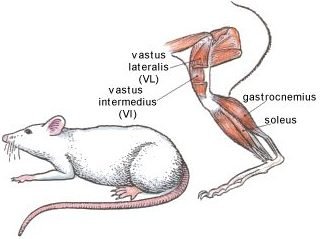
Rat’s soleus muscle
This story borrows from the real-life experiences of my uncle. He had married a youthful and talented Polish woman who initially was charmed by his worldly experiences and wisdom. However, as time passed, her affections shifted. She became enamoured with a visiting Polish concert pianist, and together they ran away to England, abandoning the life she had built. The dramatic tale of love and heartbreak would played out against the emotive backdrop of Chopin's music.

Iza’s birthday celebrations (prior to marriage)
This narrative, filled with its complex characters and their tangle of emotions, is calling out for attention. It's imbued with a weighty sense of melancholy and reflection, and it's this depth that I feel ready to explore. It's time to delve into these complicated emotions and bring the story to life.
In my upcoming post, I will delve into the art of developing characters with depth, complete with a compelling backstory. I will share the step-by-step process I follow and explain why this approach proves invaluable in various aspects, such as shaping their appearance, selecting the right actors, and effectively directing them on set. Without exaggeration, I consider this aspect of preproduction to be among the most essential and practical components.
I hope you will come along for the trip.
Bronek


Dr Jozef Kozka & his new wife Izabela Jadwiga Kozka

Joe with Iza and Sheila Kozka and an unidentified man.
Supporting Printmaking and Embracing Artistic Connections: Join me at the RMIT Print Auction
I hope this post finds you well. Today, I wanted to share my ongoing connection and fondness for the printmaking department at RMIT University. As some of you may know, I had the pleasure of working with Printmaking at RMIT through a hybrid program called Print Imaging Practice, which holds many dear memories for me. During my time there, I was introduced to the rich traditions associated with Printmaking and the vibrant Printmaking department.
One event that holds a special place in my heart is the annual print auction organized by the Open Bite Association. Every year, around this time, I receive an email announcing the auction date, accompanied by a humble request for donations. It's something I wholeheartedly support, both by donating my own work and attending the event to purchase remarkable art. In fact, as I sit here in my studio writing this post, I am surrounded by three beautiful prints that I acquired at last year's auction.
Typically, I donate a print from a past exhibition, as it always finds an appreciative new home and supports the printmaking students. However, this year is a little different for me. I will be donating a work that is yet to be exhibited, giving attendees a sneak peek into my upcoming exhibition. Speaking of which, next year I will be presenting a new body of work under the Mediated by the Digital Lens umbrella. While last year's show, "The Imperfect Beauty of the Sublime" at ACAE Gallery in Collingwood, explored similar themes, this new collection draws inspiration from my experiences in Nepal and Japan.

The Winter Sun - B.Kozka 2023 (58cm x 32cm)
During my time in Japan, I discovered the poetry of Ryōkan, and I couldn't help but see a connection between his work and my own. It's fascinating how art and inspiration can transcend time and geography. The piece I'm donating to the printmaking auction is titled "The Winter Sun" and was created in Japan in January 2023. While the final exhibition will feature larger prints, measuring 1 x 1.8m, for the auction, I've prepared a unique 58x32 (image size) print. It's an artist's proof or test print, a one-of-a-kind piece, and it's printed on Canson Platine.
I highly encourage all of you to consider attending the print auction. It's always a wonderful night filled with incredible prints, supporting a fantastic department with dedicated staff and talented students. If you're interested in the work I'm donating and are unable to attend the event, I believe they offer phone bidding or possibly online options.
Let's come together to celebrate the art of printmaking, support emerging artists, and contribute to the thriving artistic community at RMIT. I look forward to seeing you at the auction and sharing this enriching experience with all of you. Thank you for your continued support and enthusiasm.
SAVE THE DATE: Friday 25 August, in Building 49, 67 Franklin Street, Melbourne, VIC, 3000 .
"Harmonising Photography Education: Lessons from the World of Music"
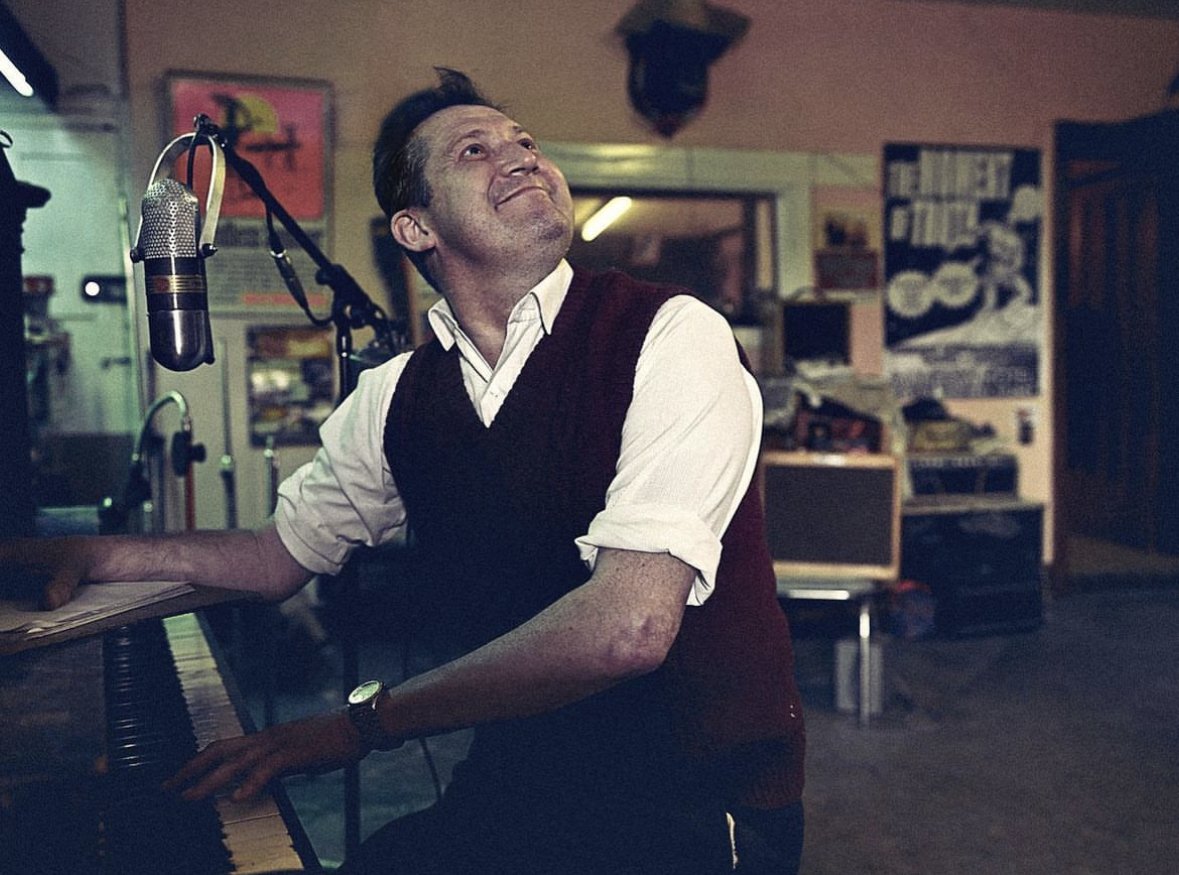
Graeme Thomas Photo Bronek Kózka
As a dedicated photography teacher at a well-known school of art, I have always been passionate about nurturing the creative potential of my students. However, in recent years, I have observed a significant shift in the type of students we attract to our photography program. Unlike in the past, these students often arrive with fewer technical skills and a noticeably diminished engagement with the art of photography. This observation has led me to question whether our teaching methods have evolved sufficiently to address this skill deficit and provide them with the best possible education.
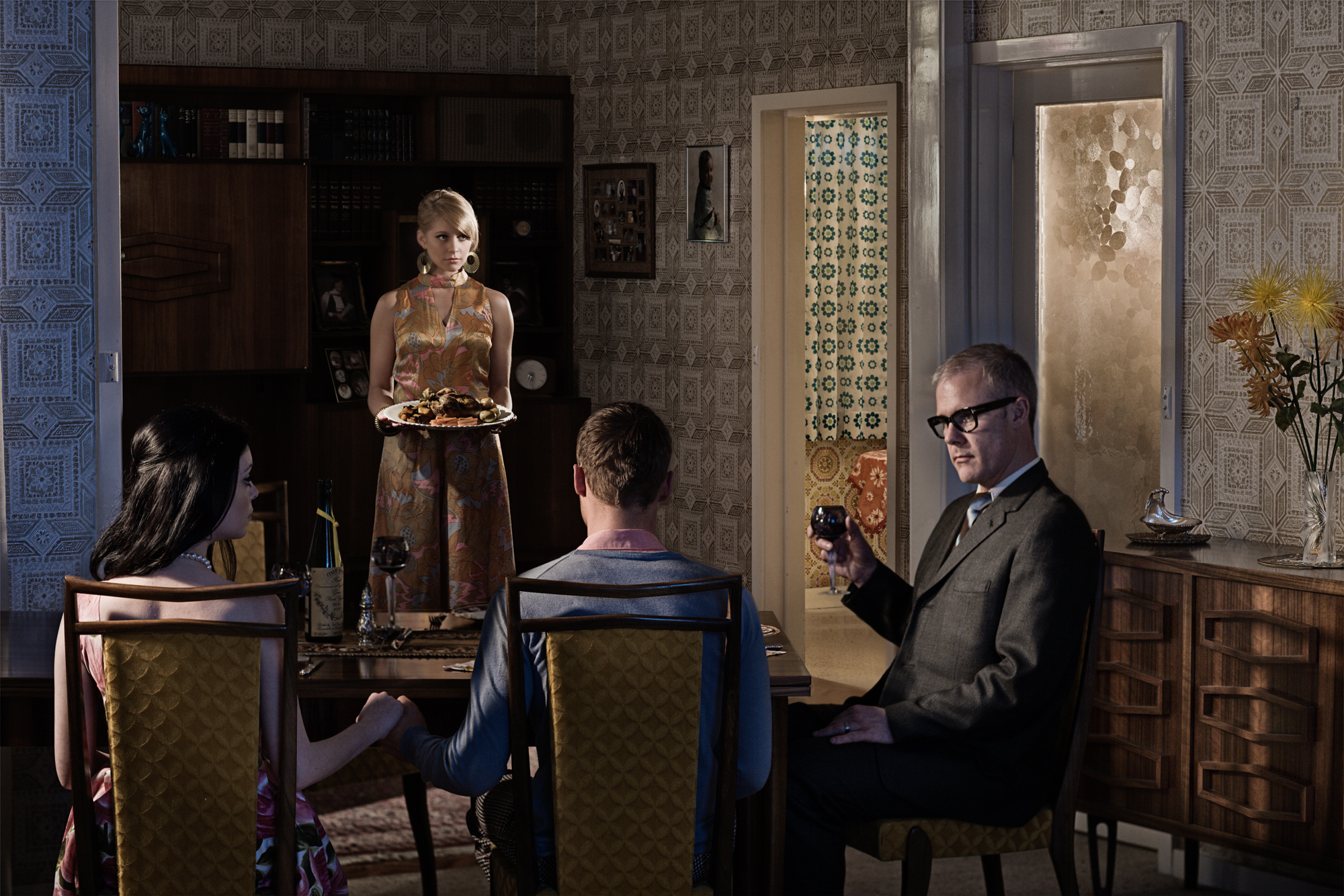
The Best Years of Our Lives : photo Bronek Kózka
In contemplating this dilemma, I was reminded of a particular tableau photograph I had planned titled "The Ghost of Chopin and other dead Poles." The tableau photograph I envisioned took place in the affluent setting of a suburban home, capturing a significant moment in a Polish doctor's residence. Here, his young wife performed Chopin's nocturne in C sharp minor with elegance and grace, surrounded by an intimate gathering of friends. The scene emanated an atmosphere of sophistication and cultural appreciation, providing a captivating backdrop for the exploration of artistic expression.
As I delved into the planning of this tableau photograph, I found myself yearning for a deeper understanding of the music that would accompany the visual narrative. Chopin's nocturne in C sharp minor carried immense emotional weight, but I desired to grasp the intricacies that underpinned its power. I sought a profound connection with the piece that transcended its subjective impact on my own emotions.
In my pursuit of this understanding, I serendipitously stumbled upon a podcast episode that offered a refreshingly technical analysis of Chopin's nocturne. The hosts of the podcast delved into the compositional choices, meticulously dissecting the notes, responses, and audience engagement with analytical precision. They explored how the opening notes set the tone, how subsequent musical progressions intertwined to create emotional arcs, and how these technical elements elicited specific reactions from listeners. Despite my lack of musical expertise, I managed to comprehend the significance of each element in evoking emotions and engaging the audience. This experience not only deepened my appreciation for the music but also sparked a realisation of the power of technical elements in conveying the intended message to the viewer. It was a profound reminder of the potential for integrating similar technical discussions into the realm of photography, allowing us to bridge the gap between technical skills and concept-driven artistic expression.
In the realm of photographic education, discussions, and critiques, the focus often remains on conceptual aspects and the necessity of reading the artist's statement. However, this approach stands in stark contrast to my experience with the podcast analysis of Chopin's music, where the technical intricacies were explored in relation to the concept and audience engagement. Despite the prevailing notion that technical aspects are secondary to deciphering abstract ideas in photography, I firmly believe that these elements are fundamentally linked to the successful delivery of the concept and intention behind a photograph. The skilful use of lighting, composition, and other technical elements can significantly enhance the impact of the photograph, shaping the viewer's understanding and eliciting an emotional response. It is through the understanding and adept application of these technical elements that a photographer can effectively convey their intended message to the viewer.
This realisation prompted me to reflect on our teaching methods, approaches, and attitudes, hoping to shed light on the matter and explore ways to improve. There often seems to be a distinction between those classes that are considered technical, or merely technical by some, focusing on camera-craft, lighting, digital technologies, and post-production, and those classes that are driven by "ideas and concepts." This division is where the problem arises, as the connection between technical skills and the essence of the artwork and the concept itself, can become tenuous. I am eager to examine how discussions on lighting, composition, and other technical elements can be harnessed to directly address the concept and elicit meaningful viewer engagement. By making technical aspects an integral part of the discussions surrounding concepts, we can achieve a comprehensive and meaningful understanding of both the creation and interpretation of artwork.
In the following thought piece, I aim to explore this divergence further and delve into how we teach photography, or how we should teach photography. By acknowledging the intrinsic link between technical aspects and the delivery of the concept, we can strike a balance that empowers students to create work that is both visually captivating and conceptually rich. Through a deeper understanding of how technical elements contribute to the overall artistic vision, we can provide our students with the best skills possible while fostering their engagement and connection with the art of photography.

Behind the scenes, Remembering what never happened
When comparing the experience of engaging with photography at an exhibition to attending a music concert, distinct differences become evident. At photography exhibitions, viewers often rely heavily on artist statements and contextual information provided to understand the concept behind the artwork. Artist statements serve as a guide, assisting in deciphering the artist's ideas and intentions. They provide viewers with a framework through which to interpret the work, often acting as a crucial first point of reference. In contrast, music concerts offer a different dynamic. The written commentary accompanying musical performances, particularly in classical music, often delves into historical anecdotes and contextual information. This disparity in approach prompts us to question whether photography education can benefit from a more profound exploration of the technical aspects that contribute to conceptual delivery.
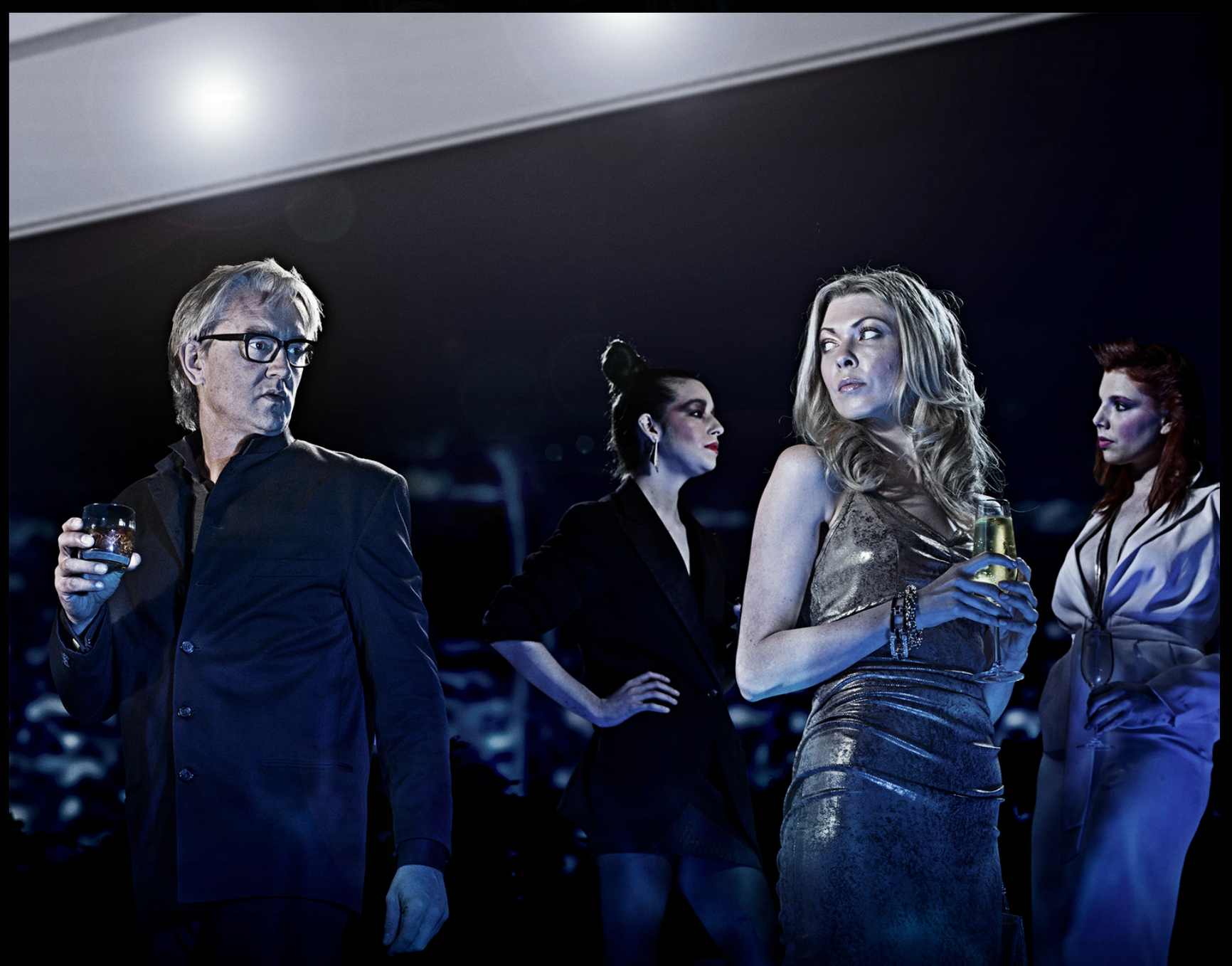
The Dispute from 'Remember what never happened' photo: Bronek Kózka
The reliance on artist statements in photography exhibitions highlights the need to decode the artist's ideas and intentions, particularly when the viewer's familiarity with the artist or their work is limited. Artist statements offer valuable insights into the artist's thought process and can guide viewers in interpreting the visual artwork. However, this reliance on written explanations may limit viewers' ability to engage independently with the visual components of the artwork. It raises the question of whether the work should stand on its own, with ideas and concepts conveyed directly through the artwork itself, or at least where the statement serves as a supplemental rather than primary element.
This notion became apparent to me during an assessment of student work. The students had presented a body of work that, at best, was solid. The subject matter hinted at an environmental theme, but beyond that, the work lacked depth. They had meticulously planned and staged an exhibition using a 3D modelling system, creating an impressive presentation. However, the work itself seemed unable to stand alone without the extensive artist statement, which was almost essay-like in its length.
During the critique, my fellow assessor opened with enthusiastic praise for the artist's statement. The discussion revolved around the ideas and concepts covered in the writing, rather than focusing primarily on the visual images. While my colleague's engagement with the written component was understandable, it left me perplexed on several levels. Why was the artist being praised more for their writing than for the visual image-making itself? Additionally, I couldn't help but question the purpose of creating the images if the primary message was contained within the writing. Were the images mere notes, sketches, or visual ideas in service of the written piece? If so, then why display them on gallery walls?
This experience emphasised the need for a balanced approach in photography education, where the technical and conceptual aspects are integrated harmoniously. While artist statements can provide valuable insights and context, they should not overshadow the visual impact and storytelling potential of the artwork itself. By fostering a deeper understanding of how technical elements contribute to the conceptual framework, we can encourage photographers to create work that is visually compelling and conceptually rich, allowing the audience to engage directly with the art. Understand the artists' intentions more clearly through a reading of the work itself, rather than relying solely on the artists' statements, while still allowing the magic of individual interpretation, loaded with their personal histories and baggage to be part of the experience.
The technical classes mentioned earlier also warrant consideration in terms of how they deliver skills and information to students. Specifically, let's explore the teaching of lighting, which can be approached through two distinctive pathways: Pathway A and Pathway B.
Pathway A involves instructing students in various lighting setups such as Butterfly Lighting, Rembrandt Lighting, Loop Lighting, Darkfield, Light Field, and more. This method focuses on providing students with a repertoire of established lighting techniques that they can utilise in their work. It equips them with a comprehensive understanding of different lighting setups and their visual effects, allowing them to experiment and apply these techniques purposefully.
In contrast, Pathway B takes a more observational approach to teaching lighting. Instead of presenting predefined setups, students are encouraged to observe and analyse existing lighting scenarios in the world around them. They embark on a journey of exploration, learning to recognise and understand the qualities of light, including its direction, intensity, colour temperature, and how it interacts with the subject.
Through this observational approach, students gain a deeper appreciation for the subtleties and nuances of light. They develop a keen eye for identifying different lighting conditions and understanding the impact they have on the mood, atmosphere, and overall aesthetic of a photograph. By studying natural and artificial lighting situations, students become attuned to the dynamic interplay between light and shadow, discovering the transformative power of light in shaping their photographic compositions.
Additionally, students must become fully conversant in different light sources and their characteristics. This includes gaining proficiency in working with various lighting tools and equipment, such as flash units, continuous LED lights, natural light, and even more experimental or innovative options. By understanding how each light source functions and its specific qualities, students can make informed decisions when selecting the most suitable lighting technique for their creative vision.
The crux of Pathway B lies in developing a deep understanding of the quality of light and how it can be effectively employed to achieve creative ends. Students explore how different lighting conditions can evoke specific moods or convey a particular narrative in their photographs. They learn to manipulate and shape light to enhance textures, create dramatic effects, or highlight specific elements within the frame. This mastery of lighting techniques, combined with their observational skills, empowers students to adapt and respond to various lighting conditions spontaneously, resulting in compelling and evocative imagery.
By incorporating both observation and technical knowledge of lighting, photography educators can provide students with a comprehensive understanding of the subject. This approach allows students to integrate the observation and appreciation of natural and artificial lighting scenarios with technical proficiency in utilising different light sources. The fusion of these elements enables students to effectively communicate their creative vision, engage viewers, and elevate the impact of their photographs through a nuanced understanding of light.
Both Pathway A and Pathway B have their merits, and their respective approaches can be valuable in different contexts. Pathway A provides students with a foundation of established techniques, allowing them to create specific lighting effects intentionally. It offers a structured framework that can be particularly beneficial for beginners or those seeking to achieve predetermined outcomes. On the other hand, Pathway B nurtures observational skills and a more instinctual understanding of light, enabling students to adapt and respond to diverse lighting situations creatively.
As photography educators, it is crucial to recognize the strengths and value of each pathway and offer students the opportunity to explore and engage with the most appropriate approach for their educational level. I would argue that at a diploma level, Pathway A, which focuses on teaching various lighting setups and technical skills, is particularly suitable. By emphasising technical knowledge and providing students with a comprehensive understanding of different lighting techniques (Rembrandt butterfly etc.), in a consistent repeatable fashion. It enables them to effectively execute these techniques by applying specific lighting setups to achieve desired predictable visual outcomes. This pathway instils proficiency in lighting tools and equipment.
In contrast, Pathway B, with its observational approach to teaching lighting, is better suited for tertiary-level education. This approach allows students to explore and analyse existing lighting scenarios in the world around them, developing a deeper appreciation for the subtleties and nuances of light. By studying natural and artificial lighting situations, students gain a greater understanding of how different lighting conditions impact their photographs. Pathway B fosters adaptability and encourages students to think critically and creatively when responding to diverse lighting scenarios.
This approach ensures that students develop a well-rounded skill set that combines technical expertise with creative vision and adaptability. By striking a balance between technical knowledge and conceptual exploration, we enhance students' ability to convey their concepts and engage viewers effectively, regardless of their chosen pathway.
This approach can indeed be applied to other technical areas within photography, such as lens focal length choice. The selection of focal length plays a crucial role in defining spatial relationships between the foreground, background, and other elements within the frame. By delving deeper into the technical aspects of focal length, students can gain a better understanding of its impact on visual storytelling and composition.
Different focal lengths, such as wide-angle, standard, and telephoto lenses, have distinct characteristics that influence how the viewer perceives the spatial relationships within a photograph. Wide-angle lenses, for instance, tend to exaggerate perspectives, create a sense of depth, and provide a wider field of view. On the other hand, telephoto lenses compress the perceived distance between objects and can isolate subjects from their surroundings.
By exploring the technical considerations of focal length, students can make informed decisions about lens choice based on their conceptual intentions and develop a more nuanced understanding of how their technical choices align with their creative vision. They can intentionally select a focal length that enhances the visual narrative, effectively conveys emotions, and creates the desired spatial relationships within the frame. Understanding the relationship between focal length and spatial perception empowers students to craft compelling compositions that engage viewers and effectively communicate their artistic concepts.
Like the integration of technical and conceptual discussions in lighting, incorporating discussions about focal length choice within photography education enables students to connect technical knowledge with their creative vision. By emphasising the significance of focal length in shaping spatial relationships, educators provide students with a deeper understanding of how technical choices influence the delivery of their concepts. This comprehensive approach allows students to harness the full potential of focal length as a tool for creative expression and visual communication.
As we have discussed the integration of technical and conceptual discussions in lighting and focal length choice (or lens choice) the same approach can be applied to other technical areas, retouching, postproduction, camera format (digital, medium format, large format) and material choices, film digital.
To improve the education of photography students, it is crucial to elevate the discussion of technique and technical approaches to the same level as concept and ideas. As educators, we need to emphasise the importance of skill sets and how they enable students to communicate their vision in subtle and nuanced ways. We should not take technical abilities, skills, or knowledge for granted but instead recognise their significance in the overall creative process.
The division between so-called "technical classes" and other courses can inadvertently create a mindset where technical aspects are undervalued or seen as separate from the creative process. This mindset can lead to a lack of discussion and exploration of technical elements when critiquing or discussing student work. By prioritising the discussion of technical aspects early on, we send a strong message to students that technical proficiency is essential and integral to their development as photographers.
Drawing inspiration from another example, there is a notable YouTube video discussing the drumming style of John Bonham from Led Zeppelin. This video provides a detailed breakdown of Bonham's drumming technique, including the number of strikes, pacing, and time signatures. It then demonstrates the piece in its entirety to fully grasp its impact. The ensuing discussion delves into how listeners interpret and engage with the music.
Similarly, in photography education, we can adopt a similar approach. By thoroughly examining and understanding the technical aspects of photography, such as lighting, composition, and equipment usage, students can gain a deeper appreciation for how these elements contribute to, or if unsuccessfully used, distract from, their work. This level of technical understanding allows them to communicate their concepts effectively and engage viewers on multiple levels.
By elevating the discussion of technique and technical approaches in photography education, we empower students to embrace the technical aspects of their craft. We emphasise that technical skills are not separate from creative expression but are essential tools for bringing their conceptual ideas to life. Through this comprehensive approach, we cultivate well-rounded photographers who can communicate their concepts skilfully, fostering a deeper understanding and appreciation for their work among viewers.
In addition to elevating the discussion of technical choices to the same level as concept and ideas, we can further emphasise their importance by implementing separate rubrics alongside the main rubrics used for assessing projects. While this may initially seem contradictory to the goal of equalising the technical and conceptual aspects, I believe that incorporating separate rubrics specifically focused on technical proficiency can be beneficial across various photography courses.
By including technical rubrics that span different subjects and are consistently applied, we reinforce the value and significance of technical abilities. These rubrics can cover a range of technical aspects, such as lighting techniques, composition principles, equipment usage, post-processing skills, and more. They provide a framework for evaluating students' technical execution and mastery in addition to the conceptual aspects of their work.
Implementing separate rubrics for technical proficiency ensures that students understand the importance of developing and demonstrating strong technical skills alongside their conceptual ideas. It establishes a clear expectation that technical proficiency is an essential component of their overall photographic practice.
Moreover, these technical rubrics serve as a guide for educators, enabling them to provide constructive feedback and targeted instruction to help students improve their technical abilities. By incorporating technical assessment criteria into the evaluation process, educators can highlight areas where students excel and identify areas that require further development, fostering a comprehensive growth trajectory.
By implementing separate rubrics focused on technical proficiency alongside the main rubrics used for assessing projects can effectively emphasise the value and importance of technical abilities in photography education. By consistently evaluating and providing feedback on technical execution, we foster an environment where students recognise the significance of developing strong technical skills alongside their conceptual exploration.
By integrating technical discussions and separate rubrics into photography education, we emphasise the importance of technical skills and their direct impact on the delivery of concepts. This comprehensive approach equips students with a well-rounded skill set, enabling them to create visually captivating and conceptually rich photographs. By consistently evaluating and guiding students in their technical development, we instil in them the understanding that technical proficiency is an essential component of their artistic practice. It cultivates a deeper understanding of the interplay between technical elements and creative vision, empowering students to effectively communicate their ideas and engage viewers on multiple levels. Ultimately, this harmonization of technical and conceptual understanding fosters the development of skilled photographers who can create impactful and meaningful work in the field.
Some useful references:
1. Alec Soth: Alec Soth is a renowned American photographer who has emphasised the significance of technical skills in photography. In his book "Photography as Practice: Experiments with Materials and Processes," he explores the relationship between the materiality of photography and the conceptual aspects of the medium.
2. David Hurn: David Hurn, a Magnum photographer, has advocated for a balance between technical proficiency and conceptual understanding in photography education. He co-authored the book "On Being a Photographer: A Practical Guide," which discusses the importance of technical competence in realising a photographer's vision.
3. Charlotte Cotton: Charlotte Cotton, a curator and writer, has written extensively about contemporary photography and the relationship between technique and concept. In her book "The Photograph as Contemporary Art," she explores different conceptual approaches in photography and how technical elements contribute to the expression of ideas.
4. Michael Freeman: Michael Freeman, a photographer and author, has discussed the importance of technical mastery in photography. His book "The Photographer's Eye: Composition and Design for Better Digital Photos" explores the role of composition and design principles in creating visually engaging photographs.
5. Brooks Jensen: Brooks Jensen, the editor of LensWork magazine, has written about the integration of technical skills and concept in photography. In his articles and podcasts, he emphasizes the importance of understanding and utilizing technical aspects to effectively convey the intended message.