The AI Dialogue in Contemporary Photography
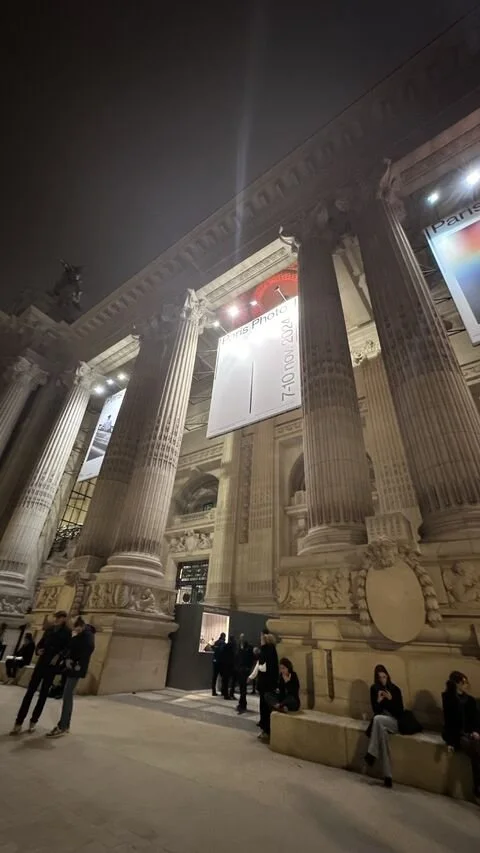
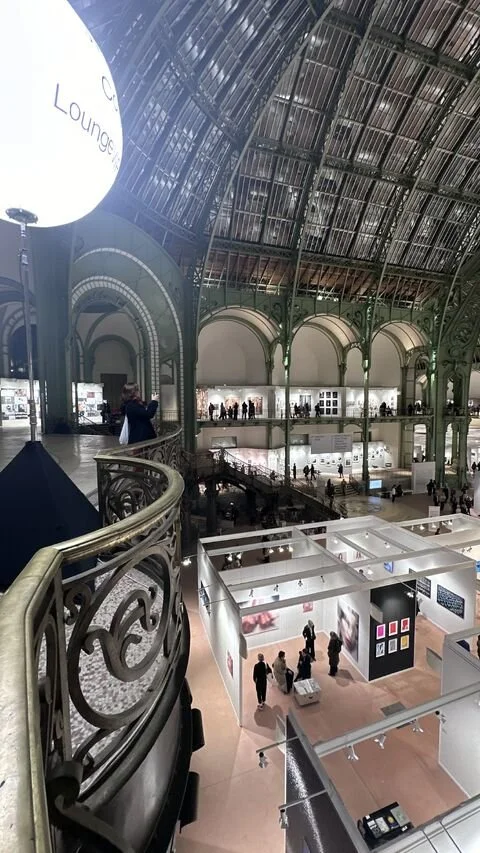
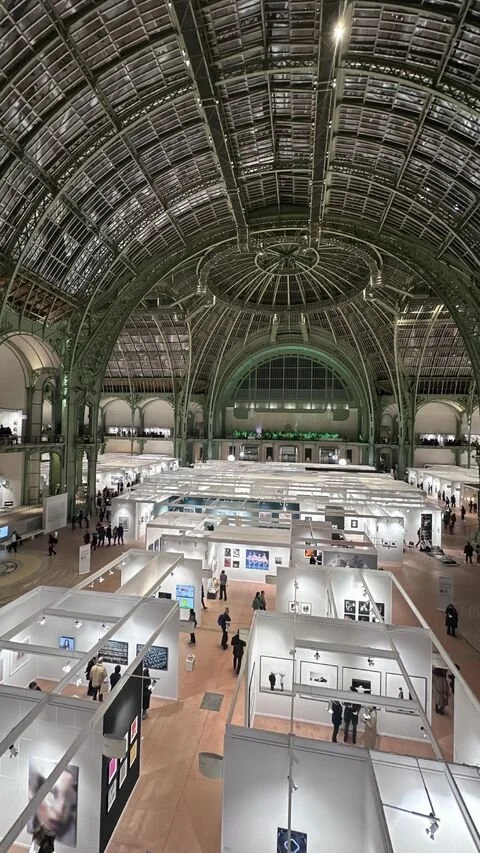
What struck me most at Paris Photo was not just the presence of AI-influenced works, but the nuanced conversations happening around them. Unlike the often polarized debates we see online, the discourse at Paris Photo revealed a more sophisticated understanding of AI as a tool that can enhance rather than replace traditional photographic practices.
Bridging Traditional and Digital Practices
Drawing from my own research in hyper-reality and memory re-staging through tableau photography, I observed how many artists are finding innovative ways to integrate AI tools while maintaining their artistic vision. The works displayed demonstrated that AI can serve as an extension of the photographer's creative toolkit, much like how my use of LiDAR scanning and high-end digital cameras complements rather than replaces traditional photographic techniques.
The Question of Authenticity
One of the most compelling discussions at Paris Photo centered around authenticity in the age of AI. As someone who employs a 'Method Making' approach, fully immersing myself in project themes, I found particular resonance in works that used AI not as a shortcut, but as a means to deeper artistic exploration. The question is no longer whether AI-influenced photography is "real" photography, but rather how these tools can expand our understanding of visual storytelling.
Looking Forward
The fair revealed that we're at a crucial juncture in photography's evolution. Just as digital photography once sparked heated debates about authenticity and craft, AI is pushing us to reconsider what constitutes photographic practice. My own work with the "Coastal" series, which involves generative AI landscapes, exemplifies this hybrid approach where traditional photographic expertise meets technological innovation.
Cultural Impact and Market Response
The response from galleries, curators, and collectors at Paris Photo suggested a growing acceptance of AI-influenced work, provided it maintains artistic integrity and conceptual depth. This aligns with my experience in pricing artworks between AUD 2500-7000, where the value lies not in the tools used but in the artistic vision and execution.
Conclusion
Paris Photo 2023 confirmed that we're not witnessing the end of photography as we know it, but rather its evolution into something more expansive. As both an artist and educator at RMIT University, I see this as an exciting time to explore how AI can enhance our creative capabilities while maintaining the essential human elements that make photography such a powerful medium.
What are your thoughts on how AI is reshaping the photography landscape? I'd be interested in hearing your perspectives on this evolving dialogue between traditional practice and technological innovation.