
The Intersection of AI and Photography: A New Era in Education
As an artist and academic deeply entrenched in the world of photography and emerging imaging technologies, I often find myself pondering the future of education in this dynamic field. At RMIT University, where I have the privilege to lecture, the integration of AI into our curriculum is not just an option—it's a necessity.
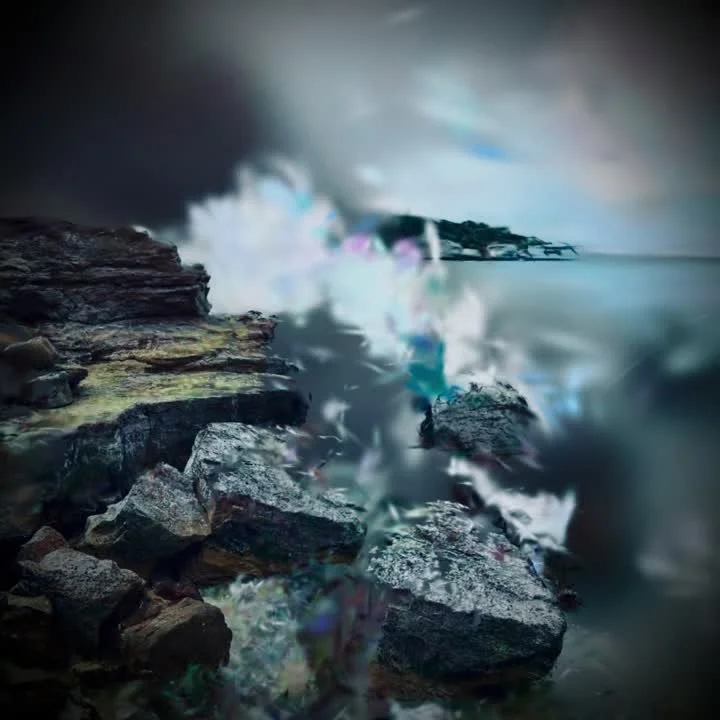
Imagine a classroom where students are not only learning the fundamentals of photography but are also exploring the depths of AI-generated landscapes, much like those I exhibited at the UAE's Xposure Festival. This isn't just about using AI for production; it's about employing it throughout the ideation and creation process. A holistic approach where a photographer's skills are enhanced and augmented by AI opens new avenues for creativity.
The challenge lies in maintaining the delicate balance between technology and creativity. As someone who has curated exhibitions in Melbourne's vibrant laneways and international festivals, I prioritize selecting artists who excel in creativity and collaboration. These are the same qualities I encourage in my students as they navigate this new landscape.
At institutions like Stanford University and MIT, AI is already reshaping photography courses, offering students the opportunity to experiment with machine learning for image analysis and generation. This trend underscores the importance of integrating AI into photography education—not to replace human creativity, but to expand it.
Incorporating AI into photography education is about using tools like Scaniverse and AI Photoshop to push boundaries and create immersive experiences, much like my "Nature Speaks" project. It's about preparing students to not only adapt to new technologies but to lead with innovation and creativity.
As we stand on the brink of this exciting era, I invite educators, artists, and technologists to join the conversation. How can we best prepare the next generation of photographers to thrive in a world where AI is an integral part of their toolkit?
Let's explore this together.
This post included a video. Watch it on LinkedIn.